


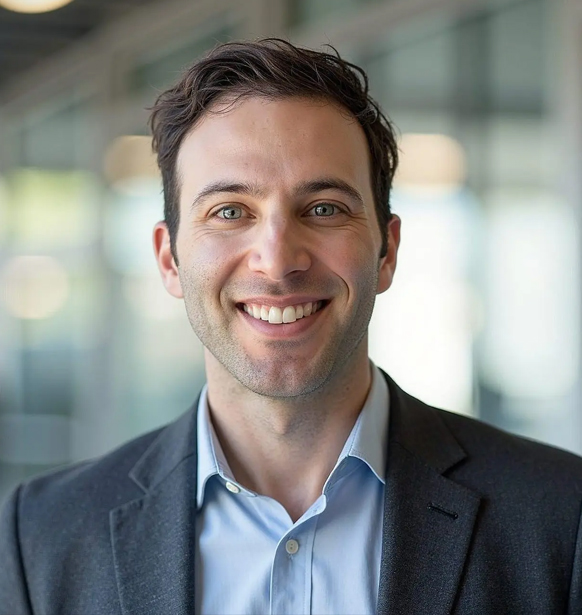
Jason is a constitutional and civil rights lawyer, appellate advocate, and legal writer. He is a partner at Gerstein Harrow, LLP. He has briefed and argued more than a dozen appeals, including a high-profile recent argument in the U.S. Supreme Court about the electoral college in the case Colorado Department of State v. Baca. His legal commentary has appeared in the Washington Post, the USA Today, and the LA Times, and he has made appearances on Fox 11 in Los Angeles and other networks to discuss legal issues.
Before forming Gerstein Harrow LLP, Jason was Chief Counsel and Executive Director of Equal Citizens, a leading non-profit fighting to improve our democracy. He was also an associate at a major law firm in Los Angeles, and he was an Assistant Solicitor General in the Office of the New York Attorney General. He clerked for two federal judges, the Honorable Carlos T. Bea of the U.S. Court of Appeals for the Ninth Circuit, and the Honorable Kenneth M. Karas of the Southern District of New York.
Jason received his law degree from Harvard Law School, where he graduated magna cum laude, was a speaker at graduation, and won the Dean’s Award for Leadership. He was also the winner of the 100th Anniversary of Harvard’s prestigious Ames Moot Court Competition, and he was later profiled in the Harvard Gazette for his advocacy while still in law school on behalf of a grad student sued by the recording industry. He received his undergraduate degree in Philosophy from Princeton University. He previously served on the Board of Directors of the Harvard Law Association of Los Angeles.
In his spare time, Jason plays trivia and hosts trivia games, travels, runs obstacle races, and plays tennis. He published a piece in Cryonics Magazine 3rd Quarter 2021 (page 19) entitled “Cryonics and the New Space Age.”
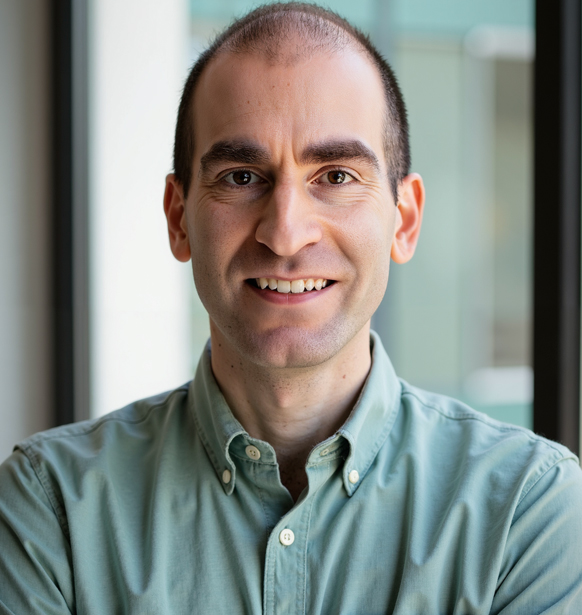
Andy Aymeloglu is a software engineer residing in Austin, Texas. He was Director of Engineering at Palantir Technologies from 2005-2015, as it grew from a fledgling company to an 1800-person company with offices across the globe. Since 2018 he has been the Head of Engineering at Hexagon Bio. He also advises startups in the Bay Area. Prior to his time at Palantir, Andy studied math and computer science at Stanford University, and briefly lectured a couple of their introductory computer science classes. He has been an Alcor member since 2011.
Senior Administrative Director
Senior Administrative Director
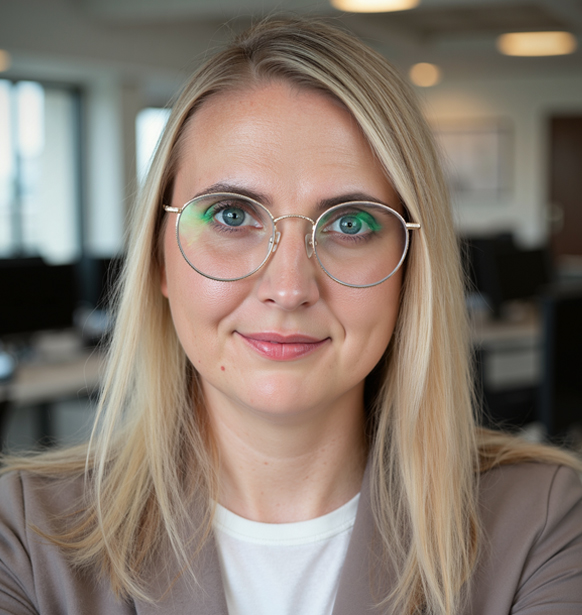
Sarah Kelly brings a background spanning emergency medicine, animal and human health, and nonprofit leadership to her role as Senior Administrative Director. With advanced credentials across both clinical and organizational disciplines, she offers a rare combination of hands-on experience and organizational expertise. In her role, Sarah oversees the broad operational functions that keep Alcor running, serving as a steady hand across all departments and a key driver of the organization’s day-to-day effectiveness.
CEO, AgeX Therapeutics
CEO, AgeX Therapeutics
Michael D. West, Ph.D., is the founder and CEO of AgeX Therapeutics, Inc. He received his Ph.D. from Baylor College of Medicine in 1989 concentrating on the biology of cellular ageing. He has focused his academic and business career on the application of developmental biology to age-related degenerative disease. He was the founder and first CEO of Geron Corporation, and from 1992 to 1998 he held various positions including CEO, Director, and Vice President. From 1998 to 2007, Dr West held positions as CEO, President, and Chief Scientific Officer at Advanced Cell Technology, Inc. (ACT), which was eventually acquired by Astellas Pharma, Inc. From 2007 to 2018, he was CEO/Co-CEO of BioTime, Inc.
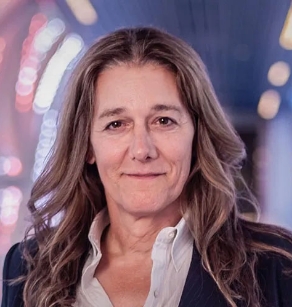
CEO, United Therapeutics
CEO, United Therapeutics
Dr. Rothblatt received a B.A. degree from the University of California in 1977, her M.B.A and Juris Doctor from UCLA Schools of Management and Law in 1981, and her Ph.D. in Medical Ethics from the Royal College of Medicine and Dentistry, Queen Mary College, University of London in 2001. She has extensive experience in information technology development and pharmaceuticals. During 1982 -1995 she held at various times positions as President of Orbital Projects, Inc., President & CEO of Geostar Corporation, Chief Operating Officer of WorldSpace Corporation, and Chairman & CEO of Sirius Satellite Radio. From 1996 to the present she has been the Chairman & CEO of United Therapeutics Corporation of Silver Spring, MD, where she initiates and manages programs in cardiopulmonary medicine, virology and neuroscience. Her most recent book, Your Life or Mine: How Geoethics Resolves the Conflicts Between Public and Private Interests in Xenotransplantation, was published by Ashgate House in 2004.
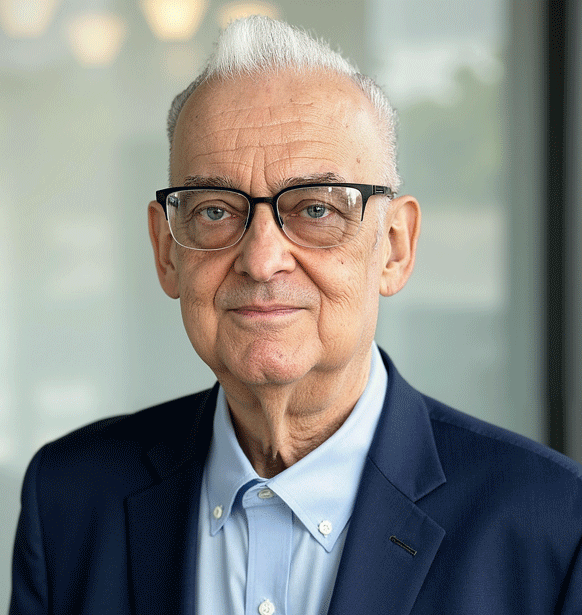
Director at Alcor Foundation
Director at Alcor Foundation
Dr. Merkle received his PhD from Stanford University in 1979 where he co-invented public key cryptography. He joined Xerox PARC in 1988, where he pursued research in security and computational nanotechnology until 1999. He was a Nanotechnology Theorist at Zyvex until 2003, when he joined the Georgia Institute of Technology as a Professor of Computing until 2006. He chaired the Fourth and Fifth Foresight Conferences on Nanotechnology, was co-recipient of the 1998 Feynman Prize for Nanotechnology for theory, co-recipient of the ACM’s Kanellakis Award for Theory and Practice and the 2000 RSA Award in Mathematics.
Dr. Merkle has 37 patents and has published extensively. He is now a Senior Research Fellow at the Institute for Molecular Manufacturing. In 2001 he and Robert Freitas co-founded the Nanofactory Collaboration. In 2008 Freitas and Merkle wrote “A Nanofactory Roadmap”, a research proposal for a diamondoid nanofactory development program, which was declassified and published in 2025. In 2011 Dr. Merkle was inducted into the National Inventors Hall of Fame. Dr. Merkle’s home page is at ralphmerkle.com. He joined Alcor in 1989 and joined the Alcor Board in 1998. See video of Dr. Merkle’s presentation on Cryonics and Cryptography at the Biostasis Conference in Berkeley, California on May 17th 2025.
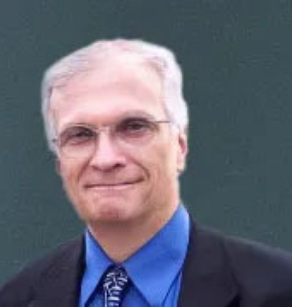
Molecular Nanotechnology Pioneer
Molecular Nanotechnology Pioneer
Dr. Lewis earned his B.A. degree in Chemistry in1967 from the University of Pennsylvania, Philadelphia, PA., his M.A. in Chemistry, 1968, Harvard University, Cambridge, MA., and his Ph.D.in Chemistry, 1972, Harvard University, Cambridge, MA. After his graduate work in RNA biochemistry and structure, Dr. Lewis spent 17 years studying the molecular biology of DNA tumor viruses, with emphasis on the adenovirus oncogenes.
He switched research focus upon joining Bristol-Myers Squibb, first doing some work on HIV proteins, and then spending 6 years working on active immunotherapy for cancer (cancer vaccines). During his last six months at BMS, he switched projects again, returning to molecular virology to begin a project to identify viral protein – cellular protein interactions that are important for the pathogenicity of HIV in the hope that these interactions would prove useful targets for drug screening. He has over 46 research papers published.
Over the past 10 years he has become increasingly interested in the evolution of current technology towards molecular nanotechnology, the anticipated ability to inexpensively fabricate complex molecular machinery having a broad range of capabilities. In his spare time he familiarized himself with the technological and scientific issues at a general level and co-edited two books on the subject: Nanotechnology: Research and Perspectives, BC Crandall and J. Lewis (editors), 1992, The MIT Press, Cambridge, Massachusetts and London, England, and Prospects in Nanotechnology: Toward Molecular Manufacturing. M. Krummenacker and J. Lewis (editors). 1995. John Wiley & Sons, Inc. New York, Chichester, Brisbane, Toronto, Singapore.
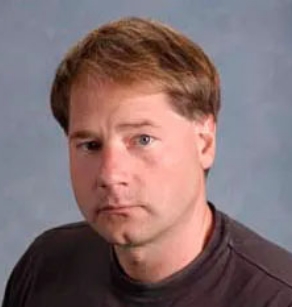
Professor of Electrical Engineering
Professor of Electrical Engineering
Dr. Kosko received his bachelors degrees in Economics and Philosophy from the University of Southern California, the masters degree in Applied Mathematics from the University of California, San Diego, and the Ph.D. degree in Electrical Engineering from the University of California, Irvine. His research interests include Adaptive Systems, Fuzzy Theory, Neural Networks, Dynamical Systems, Nonlinear Signal Processing, Intelligent Agents, Smart Materials, and Stochastic Resonance.
He has written seven books, including: Heaven in a Chip, Random House, 2000, Nanotime, Avon Books, 1997, Fuzzy Engineering, Prentice Hall, 1996, Fuzzy Thinking, Hyperion/Disney Books, 1993, Neural Networks for Signal Processing (editor), Prentice-Hall, 1991, and Neural Networks and Fuzzy Systems, Prentice-Hall, 1991 (ISBN 0-13-611435-0). He has published over one hundred technical papers.
Dr. Kosko’s technical activities include: Advisory Board: IEEE Transactions on Fuzzy Systems, Associate Editor: Information Sciences, Associate Editor: Neural Networks, Associate Editor: Soft Computing Research Journal, Governing Board, International Neural Network Society, Managing Editor, Lecture Notes in Neural Computing (Springer-Verlag monograph series), Co-editor of November 1998 IEEE Proceedings special issue on Intelligent Signal Processing, Program Chairman, 1987 IEEE International Conference on Neural Networks (ICNN-87), Program and Organizing Chairman, ICNN-88, Program Co-Chairman, 1990 International Joint Conference on Neural Networks (IJCNN-90), Program Co-Chairman, 1990 International Fuzzy-Neural Conference (Iizuka-90), Program Co-Chairman, Iizuka-92, Program Co-Chairman, INNS WCNN-93, Program Co-Chairman, INNS WCNN-96, and a former Director of USC’s Signal and Image Processing Institute.
Senior Research Fellow, Institute for Molecular Manufacturing
Senior Research Fellow, Institute for Molecular Manufacturing
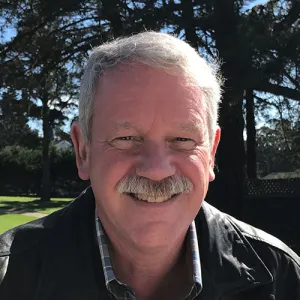
Robert A. Freitas Jr., J.D., published the first detailed technical design study of a medical nanorobot ever published in a peer-reviewed mainstream biomedical journal and is the author of Nanomedicine, the first book-length technical discussion of the medical applications of nanotechnology and medical nanorobotics. Volume I was published in October 1999 by Landes Bioscience while Freitas was a Research Fellow at the Institute for Molecular Manufacturing (IMM) in Palo Alto, California. Freitas published Volume IIA in October 2003 while serving as a Research Scientist at Zyvex Corp., a nanotechnology company headquartered in Richardson, TX during 2000-2004. Freitas co-authored Kinematic Self-Replicating Machines (2004), another first-of-its-kind technical treatise, and as of 2020 had 57 refereed journal publications or contributed book chapters, 20 patents in the fields of nanotechnology and medical nanorobotics, and several web-published books. Freitas won the 2006 Guardian Award from Lifeboat Foundation, the 2007 Foresight Prize in Communication, and the 2009 Feynman Prize in nanotechnology for theory, and now serves as Senior Research Fellow at IMM.
Assistant Professor
Assistant Professor
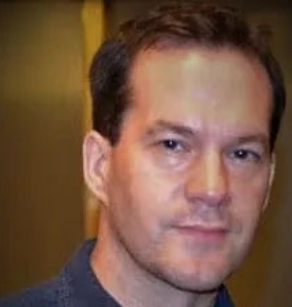
Dr. Antonei B. Csoka received his B.S. in Genetics from the University of Newcastle, U.K. in 1991, his M.S. in Molecular Pathology and Toxicology from the University of Leicester, U.K. in 1993, and his Ph.D. in Cell and Molecular Biology from the University of Debrecen, Hungary in 1998. He performed postdoctoral research at the University of California, San Francisco, where he cloned the human hyaluronidase genes, which are involved in fertilization, embryonic development, and cancer. As a postdoctoral research associate at Brown University from 2001 to 2003, Dr. Csoka was a key player in the identification of the gene that causes Hutchinson-Gilford Progeria Syndrome (progeria), a disease with many features of “accelerated aging.” It is hoped that the identification of the gene for progeria will provide insights into the mechanisms of normal aging. An assistant professor at Howard University, Dr. Csoka is developing animal models of progeria, studying the role of nuclear lamina dysfunction in human aging, and investigating the potential of stem cells, cellular reprogramming, and epigenetics for the treatment of age-related diseases.