I'll be honest, this one is hard to write. There's a lot to cover this month, and much of it marks significant progress for Alcor. But we also lost a colleague who mattered deeply to everyone here, and it doesn't feel right to lead with anything else – so we're starting with Mike.
⚡ The Highlights
Update on Mike Perry
Major DART training
Alcor Podcast returns with Greg Fahy
James Arrowood's European tour
Frozen Dead Guy Days recap
Alcor outreach event at ASU
Functional brain recovery research
LN2 tank installation update
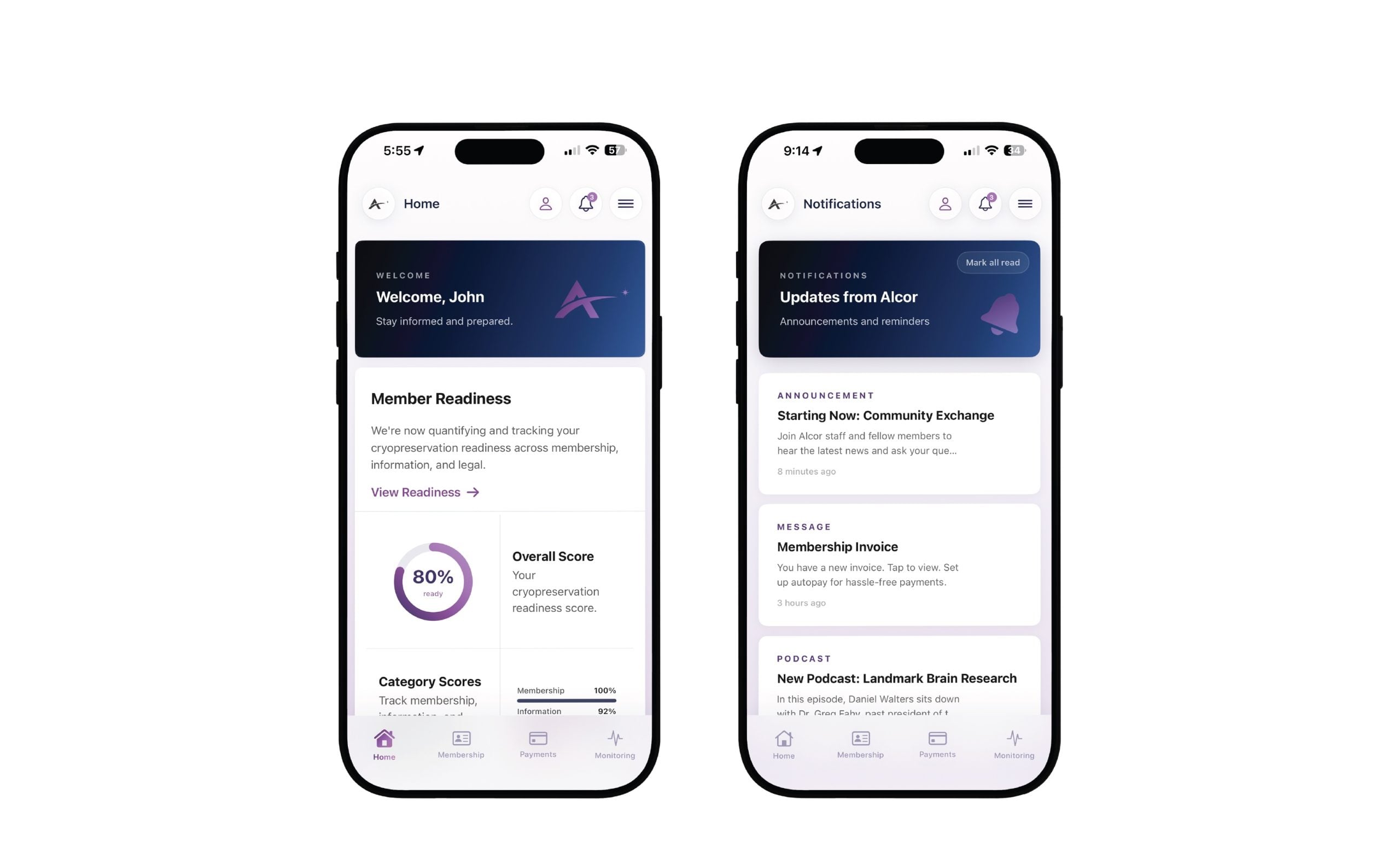
Member portal app on the way
Alcor Community Exchange recap
Biostasis Summit – May 17, Berkeley
Dernières nouvelles sur la cryogénie
Update on Mike Perry
By now, most of you may have already seen our initial announcement about the passing and cryopreservation of long time Alcor employee Mike Perry – and if you haven't, you can find it here. We've been moved by the outpouring of love and support from the community, and we wanted to provide a bit of additional context for the benefit of Mike's friends and family.
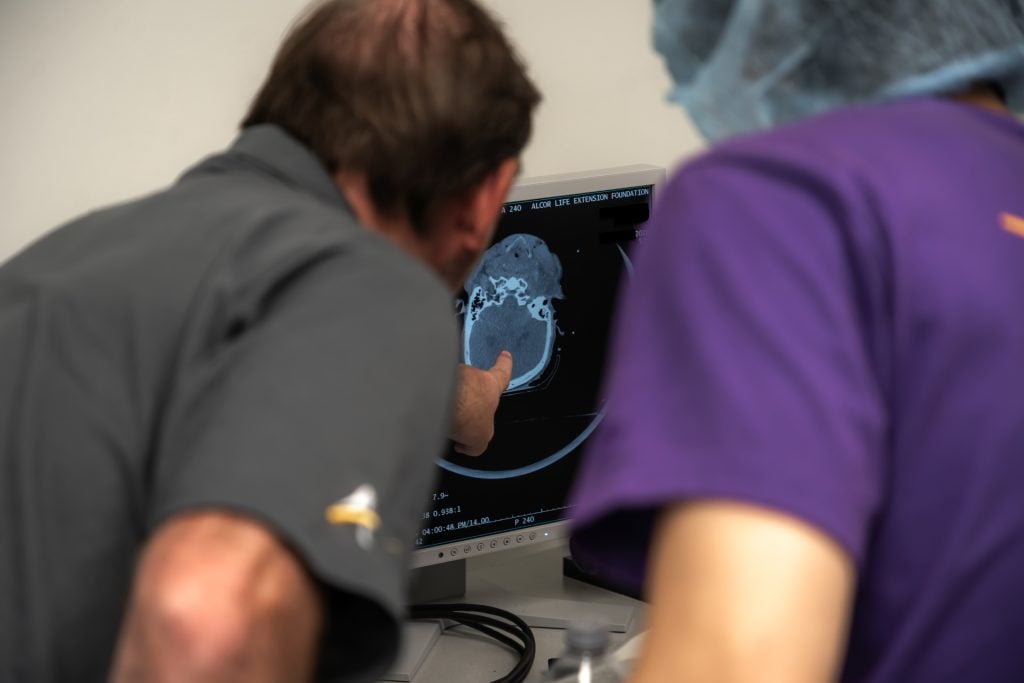
On the evening of April 14th, Mike was struck by a vehicle while walking nearby his home. The driver apparently stayed on the scene and was present when emergency services arrived. Mike's internal injuries turned out to be severe enough to warrant later surgical intervention, but he was alert and oriented during medical evaluation and transport to the ICU, and remained that way until he was sedated for surgery. A head CT scan reportedly showed no obvious brain damage, and while the indication of minimal head trauma should offer us some amount of consolation, he was ultimately unable to recover from his injuries.
Mike was declared the following morning of Wednesday, April 15th at 9:59am. Alcor's deployment and recovery team was at his bedside, with minimal time between when he was declared legally dead and the start of stabilization protocols. While this was a near ideal deployment scenario, Alcor still had to intervene aggressively to navigate the medical examiner involvement that comes with this kind of case. That coordination may well have been the difference between Mike's safe release to Alcor and a destructive autopsy.
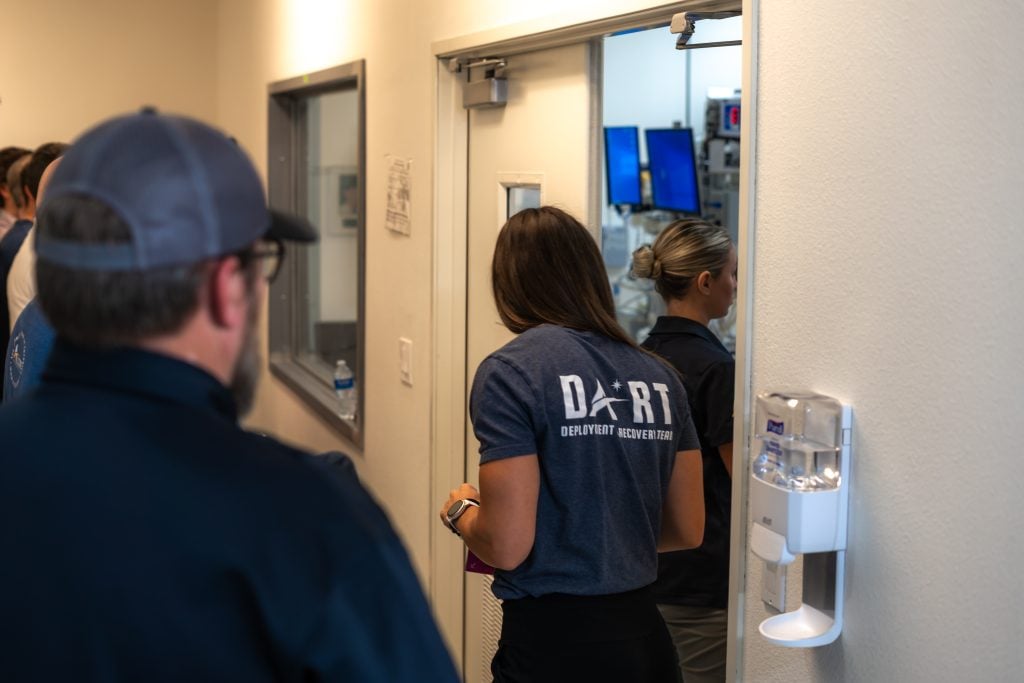
The DART team paying their respects to Mike as he was being transferred into the operating room.
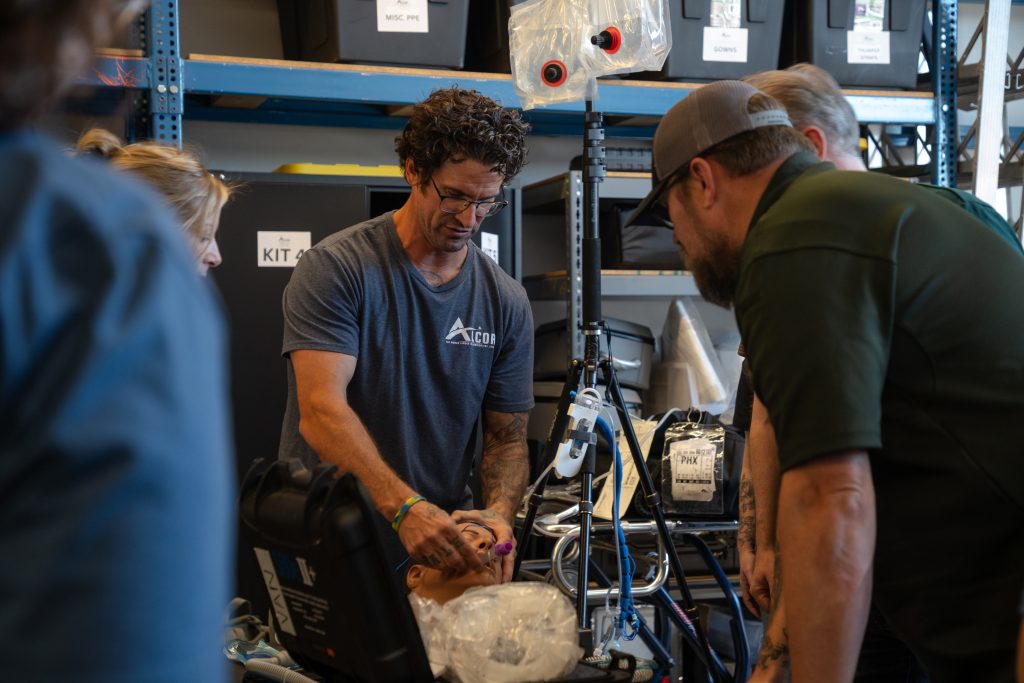
A bit of silver lining is that Mike's case coincided with Alcor's largest ever DART training. Roughly 25 to 35 of Alcor's advanced recovery personnel were already on site, including some of the most experienced DART operators in the entire industry. Having that level of depth and expertise already in place during a case like this is as good as it gets in cryonics.
Another fortunate coincidence in timing was that Alcor's upgraded neuro-perfusion system had just been deployed quite recently, and Mike became the first person perfused on it. Imaging was performed in real time to visualize cryoprotectant distribution, and although further analysis is still required, early results suggest excellent brain perfusion. The consensus is that Mike's cryopreservation went extremely well.
In the meantime, the focus shifts to the memorial. A memorial for Mike will be held at Alcor's facility on Saturday, June 6th – please save the date. Both in-person and virtual attendance options will be available, with full details to follow.
For now, our thoughts are with his friends and family, and with the broader cryonics community for whom he was a fixture for so long.
Editor's Note
Daniel Walters
For what it's worth, I was actually at Alcor's facility during Mike's case, and it happened to be the first full deployment I've witnessed in person. I came away thoroughly impressed by the level of coordination, professionalism, and compassion the team brought to every part of it. As an Alcor member myself, this was meaningful reassurance in an otherwise sad and difficult moment.
🚑 The DART Team
Historical DART Training Session
Alcor hosted one of the largest DART training sessions in its history this month – bringing together current team members, observers, and highly qualified individuals from across the US, Canada, and Europe for an intensive multi-day session at Alcor headquarters. As noted earlier, this also happened to be the training that coincided with Mike's case.
There is a huge amount more to say about the training itself, but I'm going to hold off and cover it in more depth in next newsletter so that I can do it justice.
🎙️ The Podcast Returns
After a long hiatus, the Alcor Podcast is back. The return episode kicks things off with an important conversation with Dr. Greg Fahy about landmark research.
This new research is some of the first direct evidence that the mammalian brain can be cryopreserved by vitrification with its ultrastructure intact. As Fahy puts it in the episode, without that demonstration, everything else about human brain preservation by vitrification is speculative. With it, the conversation changes.
One thread is our discussion of the late Dr. Stephen Coles – a UCLA biogerontologist whose own brain became part of the study through an arrangement with Alcor that Fahy describes as "the best research money Alcor ever spent." He also talks about what Alcor itself was willing to put on the line to enable the experiment, which, depending on the outcome, could have gone very differently.
Cryonics is a marathon, not a sprint, and it's not every day that a piece of research changes the game. The findings here aren't flashy, but for those of us paying attention, it's a genuinely big deal.
With the return of the Alcor Podcast, we've also made some listener requested upgrades – all episodes will now include a full transcript and chapter markers for smoother navigation. Enjoy.
🌍 Whirlwind Tour Across Europe
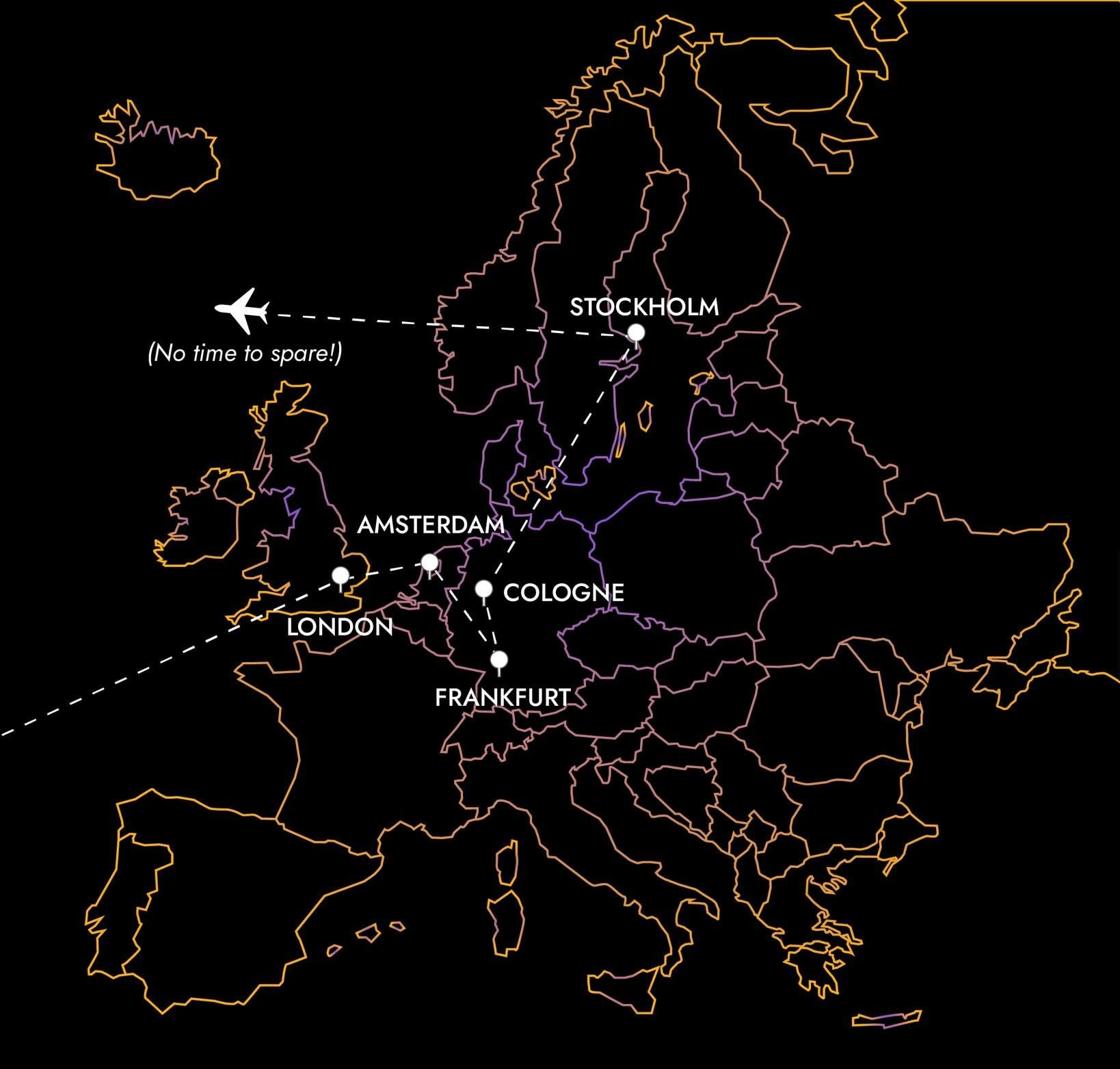
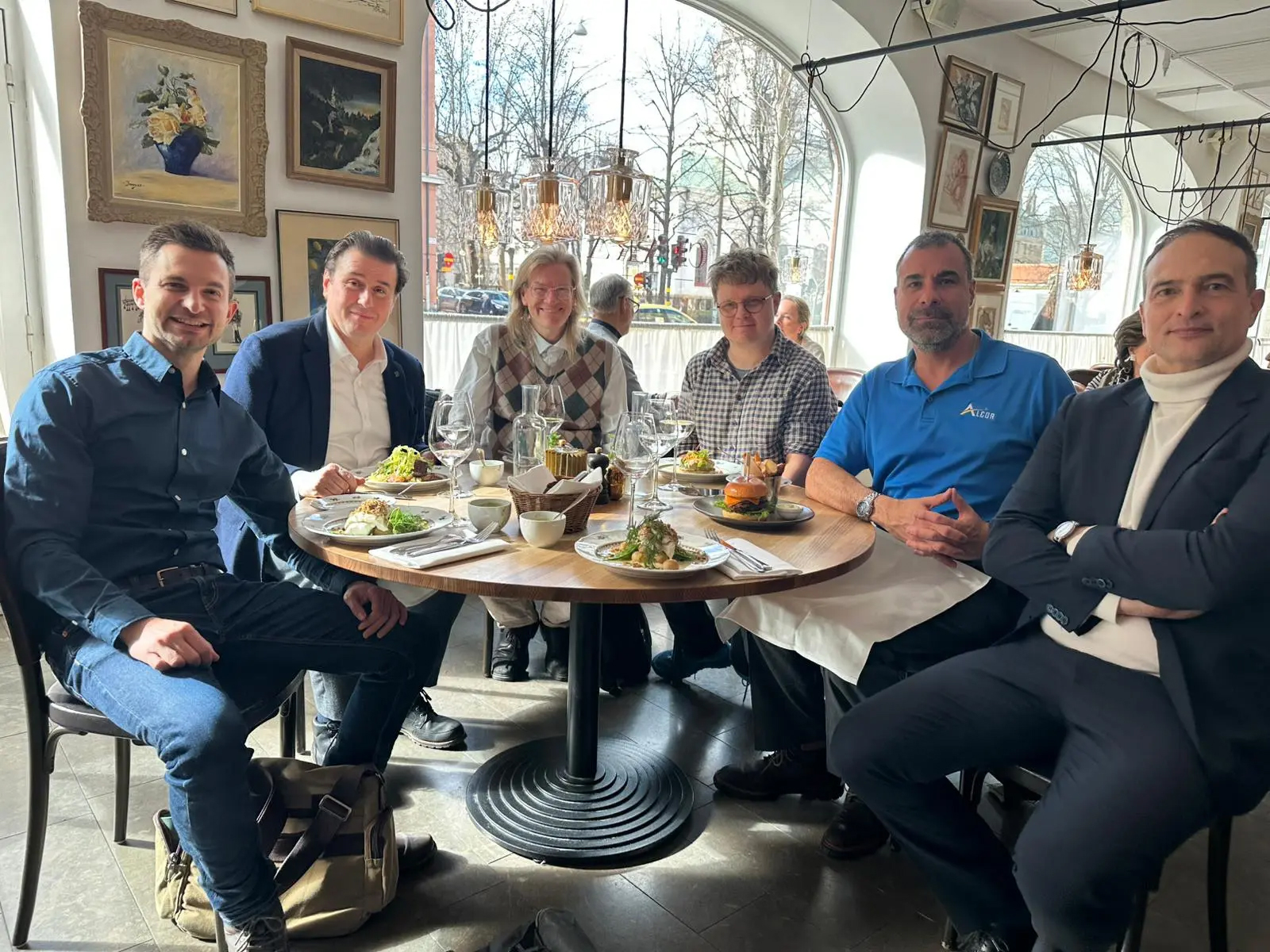
Alcor CEO, James Arrowood, had recently returned from an extremely productive trip through Europe – something like ten flights in 11 days across London, Frankfurt, Cologne, Düsseldorf, Amsterdam, and Stockholm – meeting with members, potential collaborators, and prospective DART providers to lay the groundwork for Alcor's European expansion.
The trip covered a lot of ground, literally and strategically. In London, James hosted a member meetup and met with soon-to-be-active DART certified providers based in the UK. In Germany and Amsterdam, James held a mix of member meetups and high-level meetings with entities interested in participating in Alcor's expansion.
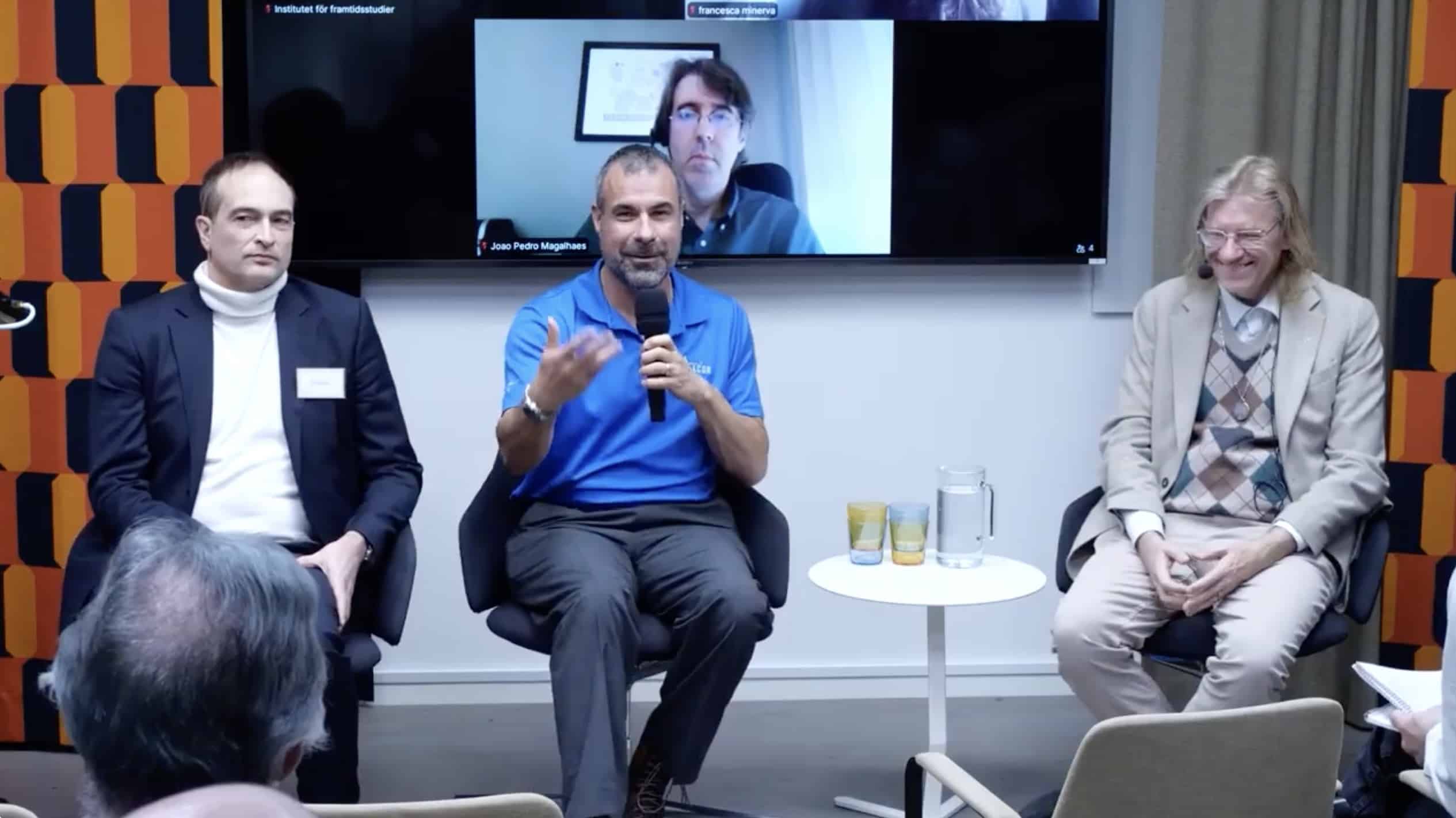
The trip culminated in a remarkable visit to Stockholm, where James participated in a panel discussion on cryonics at the Institute for Future Studies. Alcor member Anders Sandberg hosted the panel, which attracted a preeminent audience of philosophers, media, and bioethicists discussing the various issues to be addressed as cryopreservation becomes a mainstream option.
The bigger picture here is that there's real demand from European cryonicists for an Alcor facility on European soil, and this trip was a meaningful step in that direction.
Editor's Note
Daniel Walters
For those keeping score at home – James went zig zagging across Europe, and then flew straight to Frozen Dead Guy Days in Colorado, and then straight home for Easter, and then straight into one of the largest DART training sessions in Alcor's history. Say what you will about him, but the man is a machine.
💀 Frozen Dead Guy Days Recap
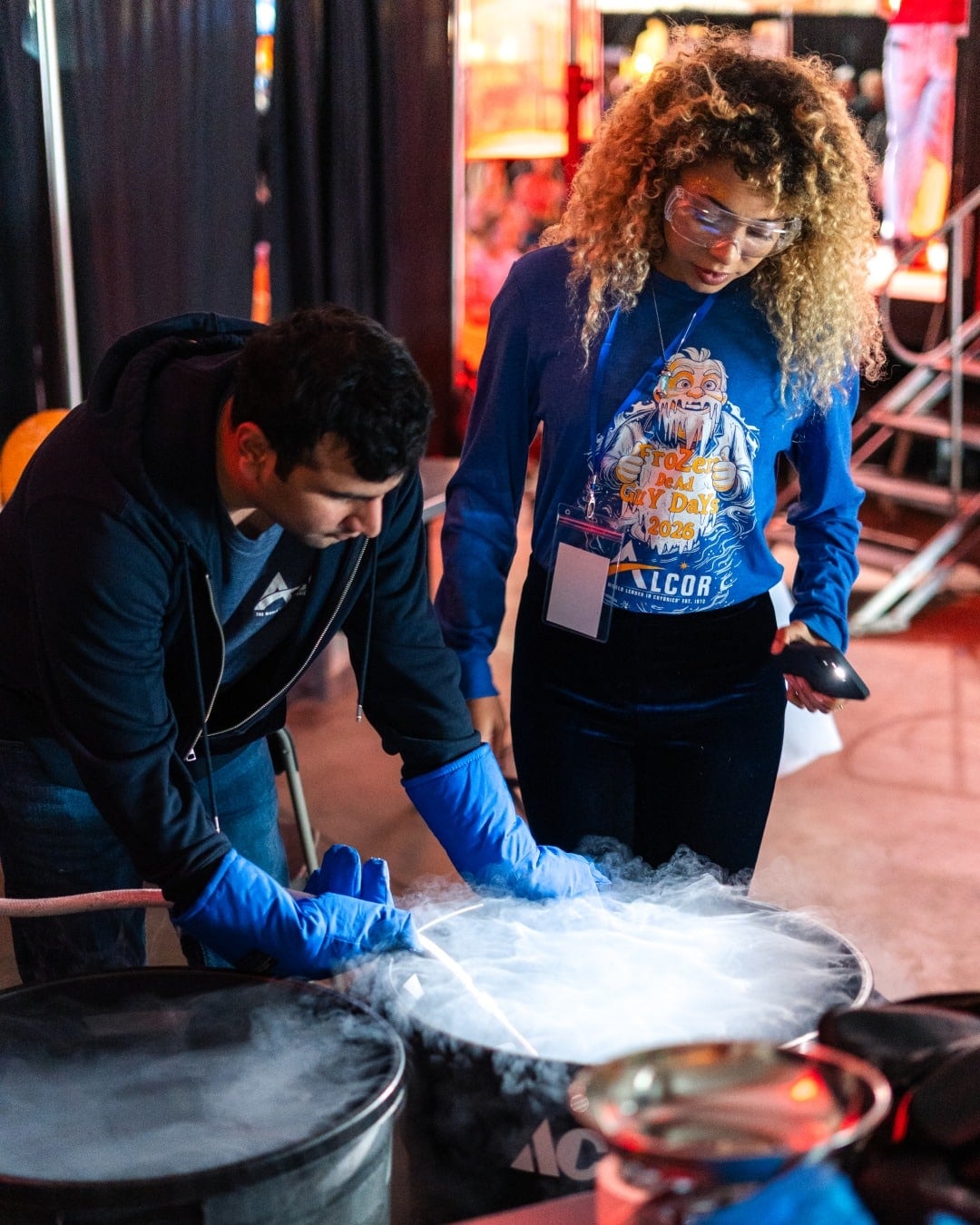
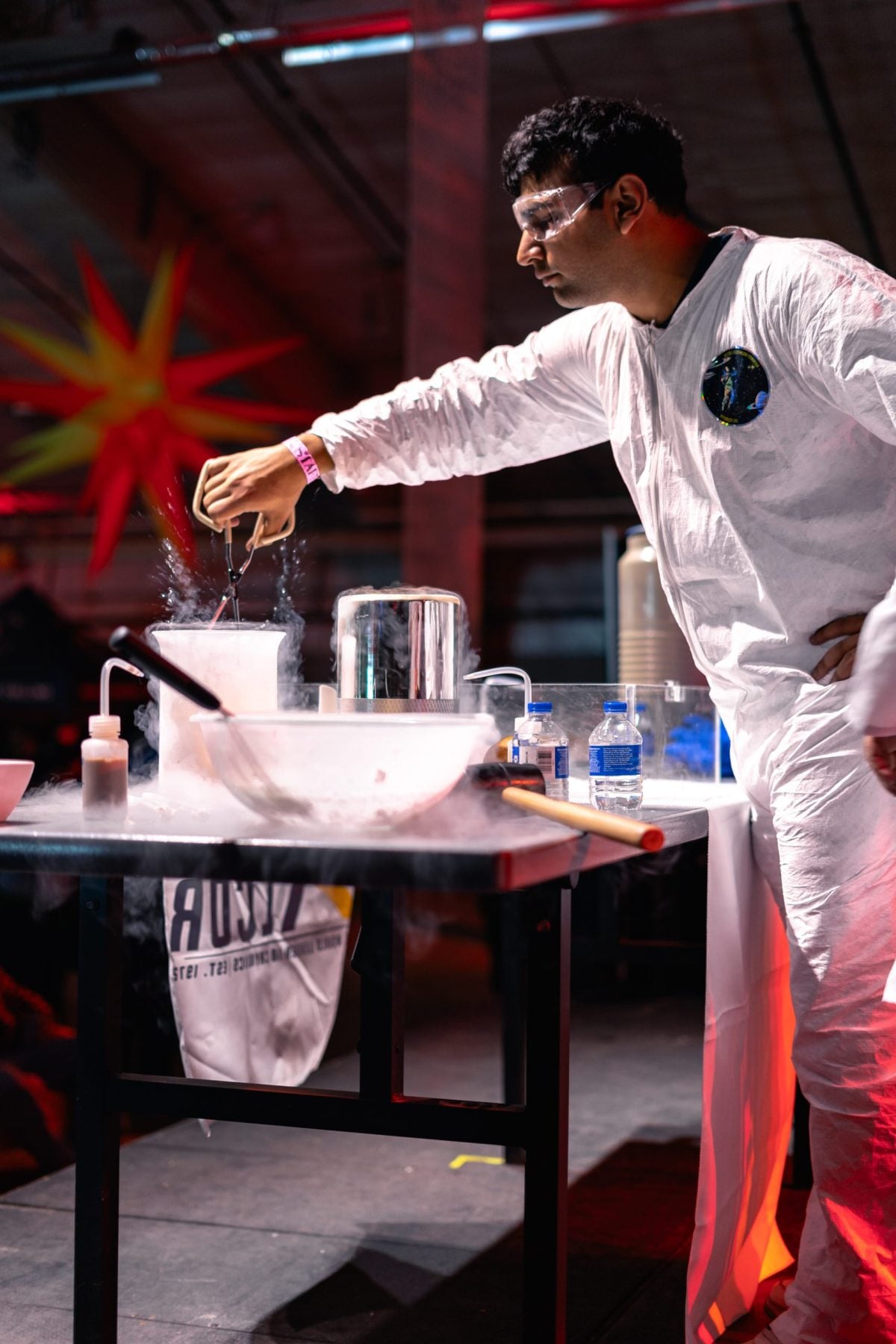
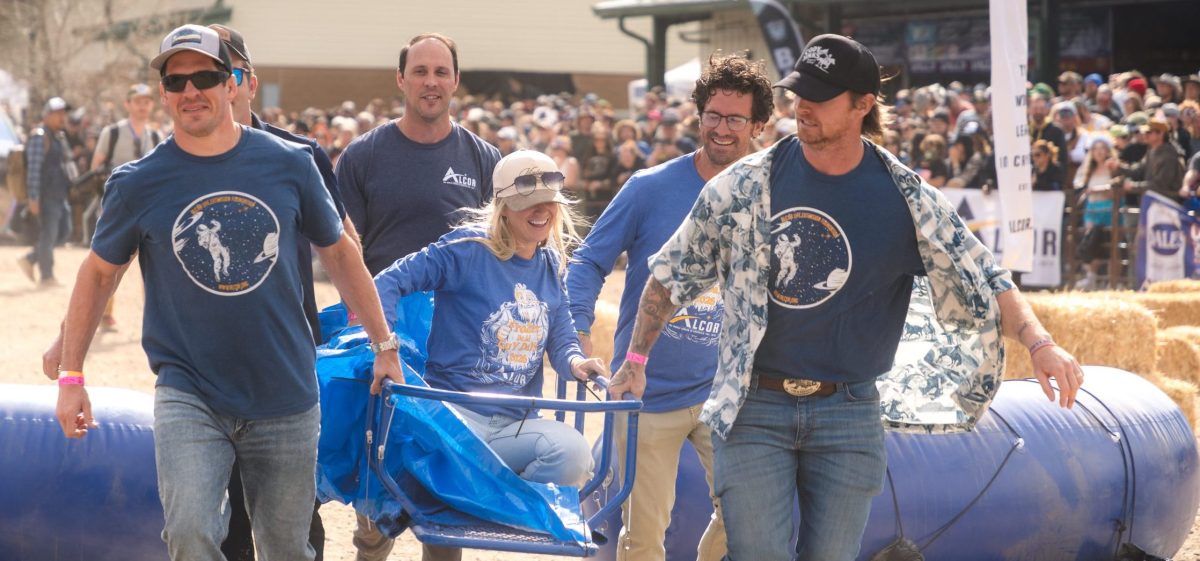
We're told something on the order of 10,000 people attended the festival this year – and Alcor made the most of it. The science team ran two liquid nitrogen stage shows this year (up from one in 2025) and they went over well with all ages. Balloons shrinking, frozen fruit getting smashed with hammers, Dippin' Dots made live on stage, big vapor clouds, and trivia questions in between. At one point, Alcor researcher Wonjin Cho risked life and limb by dipping his bare hand into liquid nitrogen at -196°C to demonstrate the Leidenfrost effect (seriously, don't try this at home).
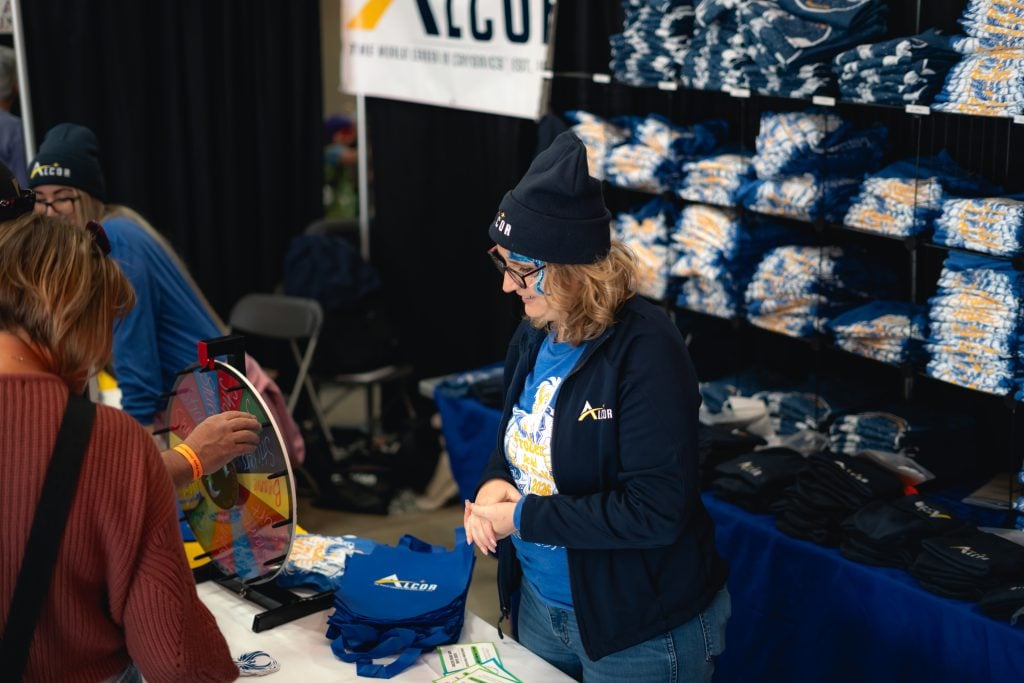
Beyond the stage shows, the team gave a DART demonstration that drew a crowd, members got a private tour of the International Cryonics Museum, and the dewar photo op continued to generate serious social media reach.
But the real value of FDGD is simpler than any of that – it's a chance to meet people on their own terms, enjoy cryonics from a lighthearted angle, and have real conversations with folks who would otherwise never have any meaningful exposure to real-world cryonics.
Editor's Note
Daniel Walters
A big thanks to our sponsor Scott, who covers much of the cost for Alcor's presence at this event. This kind of support makes it possible for us to show up in full force without straining Alcor's operating budget.
🎓 Alcor at ASU
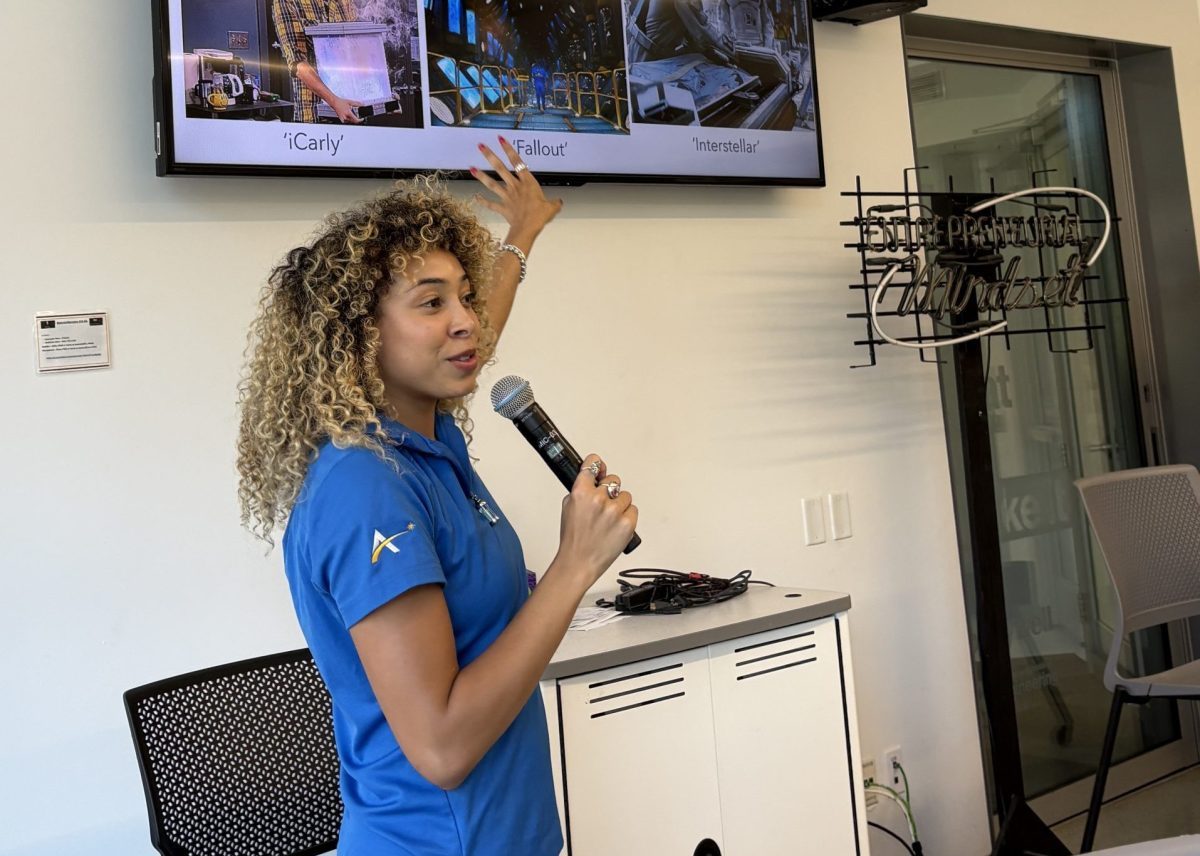
Amya giving an excellent Cryonics 101 talk to engineering students at ASU.
Alcor wrapped up an outreach event at ASU's Fulton School of Engineering, and it was a hit. Students came out from aerospace, chemical, mechanical, electrical, and biomedical engineering – up to 30 attendees, which is strong for a new organization on campus. Internship inquiries have more than tripled since the event, and ASU already wants to partner on future outreach.
Editor's Note
Daniel Walters
University engagement is a big area of focus for Alcor this year, and the early returns have been encouraging. Cryonics sits at the intersection of a lot of interesting engineering problems, and engineering students tend to respond well to that challenge.
🔬 The Research Lab
Functional Brain Recovery
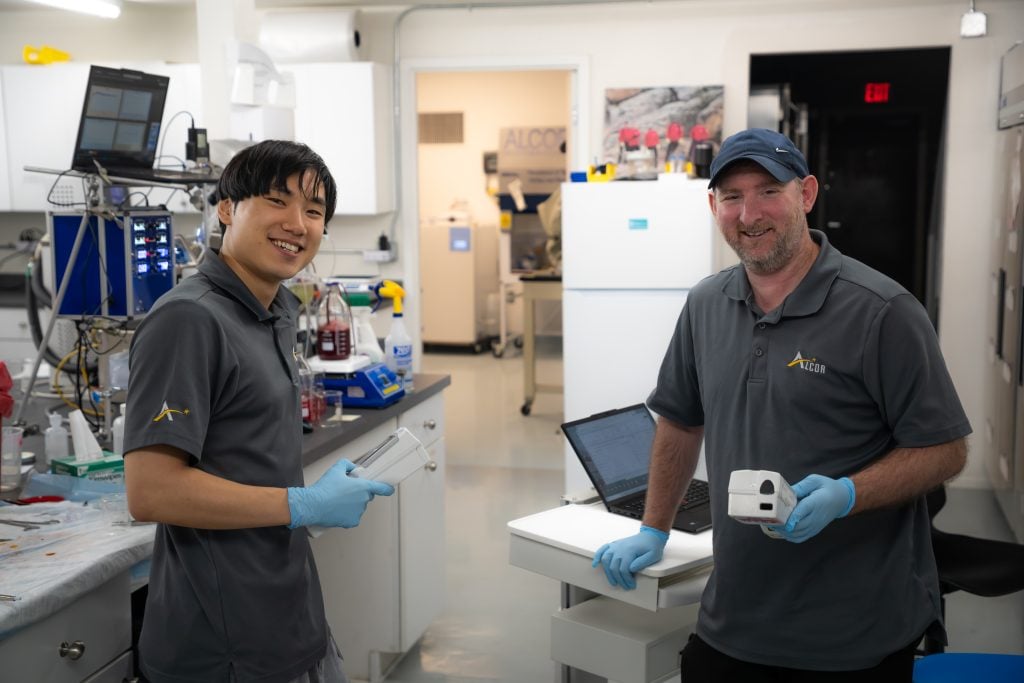
A question that comes up a lot in cryonics is what actually survives cryopreservation. Using mouse brain slices as a model, Alcor researchers have been systematically testing the toxicity profiles of various cryoprotectants. In trials using M22 – the vitrification solution Alcor uses – the team achieved recovery of approximately 70% of metabolic activity in brain tissue following cryopreservation. Metabolic recovery has been measured before, but the team is now pushing into less-charted territory: long-term functional recovery, which hasn't been rigorously examined until now.
To understand why that distinction matters, here's an analogy Nick Llewellyn offered that stuck with me: measuring metabolic recovery is like asking whether a car engine turns on, while functional recovery asks whether the car actually drives. The team is planning electrophysiology and microscopy experiments designed to assess cellular communication – whether neurons are not just alive in a metabolic sense, but actually talking to each other.
Editor's Note
Daniel Walters
The lab is also expanding and actively recruiting a researcher with a biology or biochemistry background (master's degree or higher) to support this work. If you are interested in applying, please contact [email protected] for more information.
🛠️ The Engineering Bay
A Lesson in Humility
Alcor's engineers are some of the most precision-driven individuals you will ever meet. They build the systems that our members futures depend on, and they take that responsibility very seriously. Every measurement matters. Every decimal matters.
So naturally, they were not thrilled with my reporting in last month's newsletter.
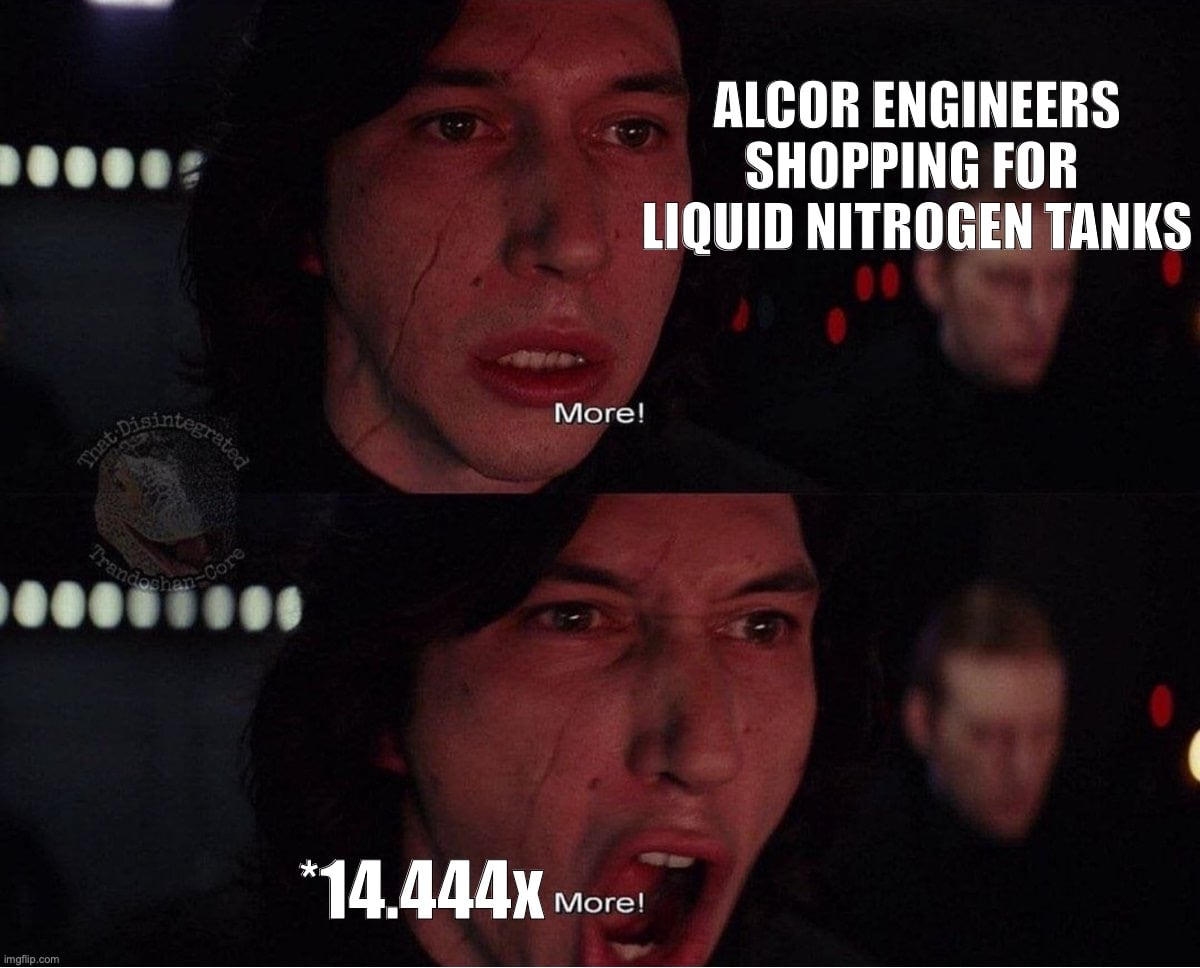
I inaccurately stated that the new bulk liquid nitrogen tank was roughly 14x the capacity of our current system. I was promptly informed that the new tank is apparently not 14x larger, but in fact, *14.444x larger – an unforgivable 3.17143% discrepancy from my reported number.
To set the record straight, I have issued a formal retraction of my previous reporting, and below you can find a more accurate update to last month's engineering meme:
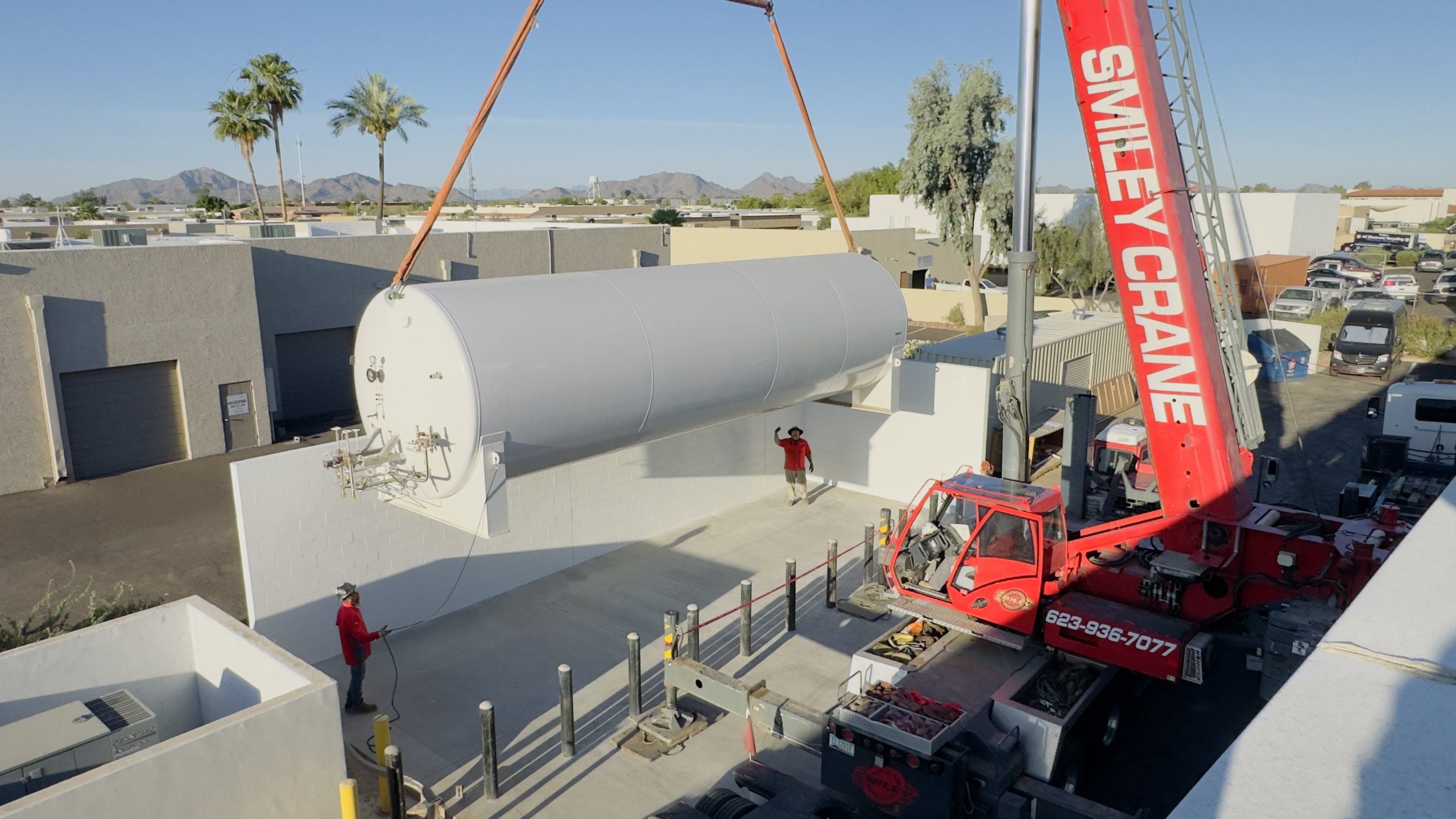
Furthermore, it turns out that on top of being wildly off on my capacity calculation, I also demonstrated a fundamental misunderstanding of basic spatial orientation.
In the artistic rendering I provided last month of what I imagined the new liquid nitrogen tank looked like, I depicted it as an absurdly tall, upright cylinder.
Unfortunately, Alcor's engineers were once again forced to confront the reality of my vast ignorance, and they clarified that the tanks will obviously not be positioned vertically, but in-fact horizontally…
Editor's Note
Daniel Walters
I would like to apologize to the engineering team for my flagrant disregard of basic reporting standards. While I briefly considered resigning in shame, I ultimately decided to carry on and move forward having learned from my ignorance.
📱 The App-ularity Is Near
The Alcor tech team has been hard at work turning the web-based member portal into a full native app. The iOS version will be launching first in the very near future, with Android following shortly after.
For members who are heavy mobile users, interacting with Alcor as an app is going to be a nice upgrade. You tap an icon and you're there – your entire Alcor membership, status, documents, payments, everything right on your phone. It's faster and more streamlined than the browser experience, and given that the web-based portal was already a major step up, this is doubling down on that convenience.
A native app also opens the door to things a website simply can't do. One feature worth highlighting is optional push notifications from Alcor. There are a lot of ways this can enhance communication with members, from event announcements to important alerts, and we think it'll have real value over time.
We'll make a larger announcement once the iOS app is ready to launch – keep an eye out. In the meantime, if you haven't already made the switch to the online portal, it's fast and easy to set up – click here to get started.
📣 Alcor Community Exchange Recap
April's Community Exchange touched on a lot of territory, but a few things stood out worth flagging.
The board finalized contract language updates driven directly by member feedback, – no resigning required, with a full communication going out to members once rollout is organized.
On the facility side, Alcor has engaged a design firm with experience in science facilities and museums to modernize the headquarters workspace, with a celebration of life space being considered to honor Alcor's patients and members.
The part of the conversation that stood out most to me was James talking about wanting to find meaningful ways to recognize and reward long-term members. When Garrett, a long-time member based in the UK, joined the call, the chat lit up with other members comparing decades-long membership numbers. Garrett himself was one of Alcor's first hundred members – close to 40 years with the organization. These are folks who joined when the field was smaller, less proven, and a much harder thing to commit to. James made clear that their loyalty in supporting Alcor is something he wants to acknowledge in a substantive way, and a proposal is actively being worked on.
Last call on this one. The Biostasis Summit is the largest industrywide cryonics gathering out there, organized by the Cryosphere Foundation and taking place in Berkeley as part of Vitalist Bay, a four-day longevity event.
The community in this field is small. The people who genuinely care about this and are willing to do something about it can largely fit in one venue – and that's exactly why showing up matters. The Biostasis Summit brings together a meaningful concentration of the people actively pushing cryonics forward, all under one roof.
Alcor will have strong representation – CEO James Arrowood, Director of Research Dr. Nick Llewellyn, and board member Ralph Merkle will all be there, amongst other important Alcor members from around the globe.
Ticket prices have gone up as the event approaches, but a limited number of discounted tickets are being released in the coming days. Use code CRYOSPHERE-70 for 70% off the current price while they last.
🎙️ Heja Framtiden Podcast #647: James Arrowood – James Arrowood interviewed in Stockholm following the Institute for Future Studies cryonics seminar, discussing Alcor and the state of cryonics today.
👋 And for those who made it all the way through – take my virtual high five, and my bonus content below. Till next time.
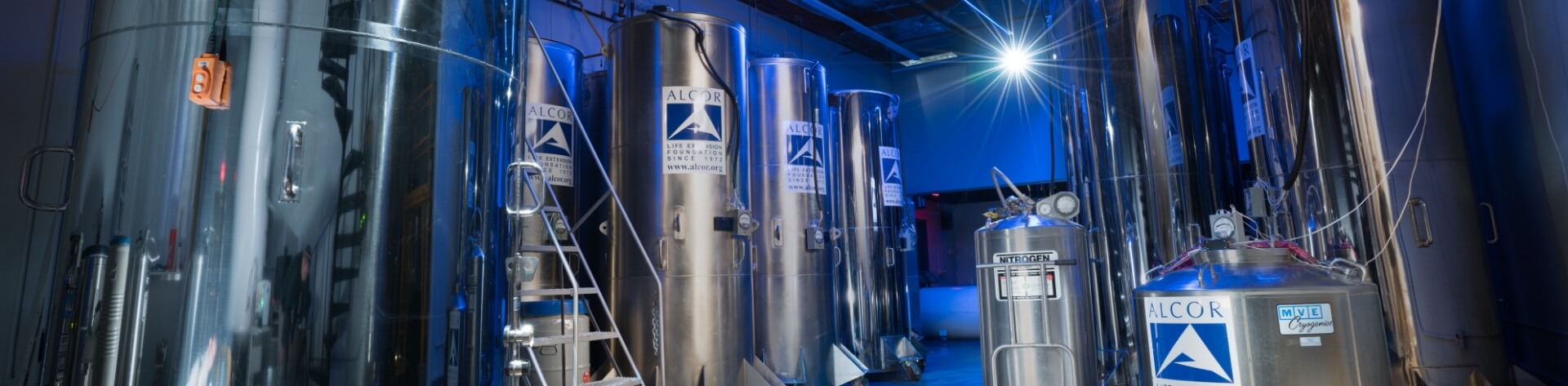
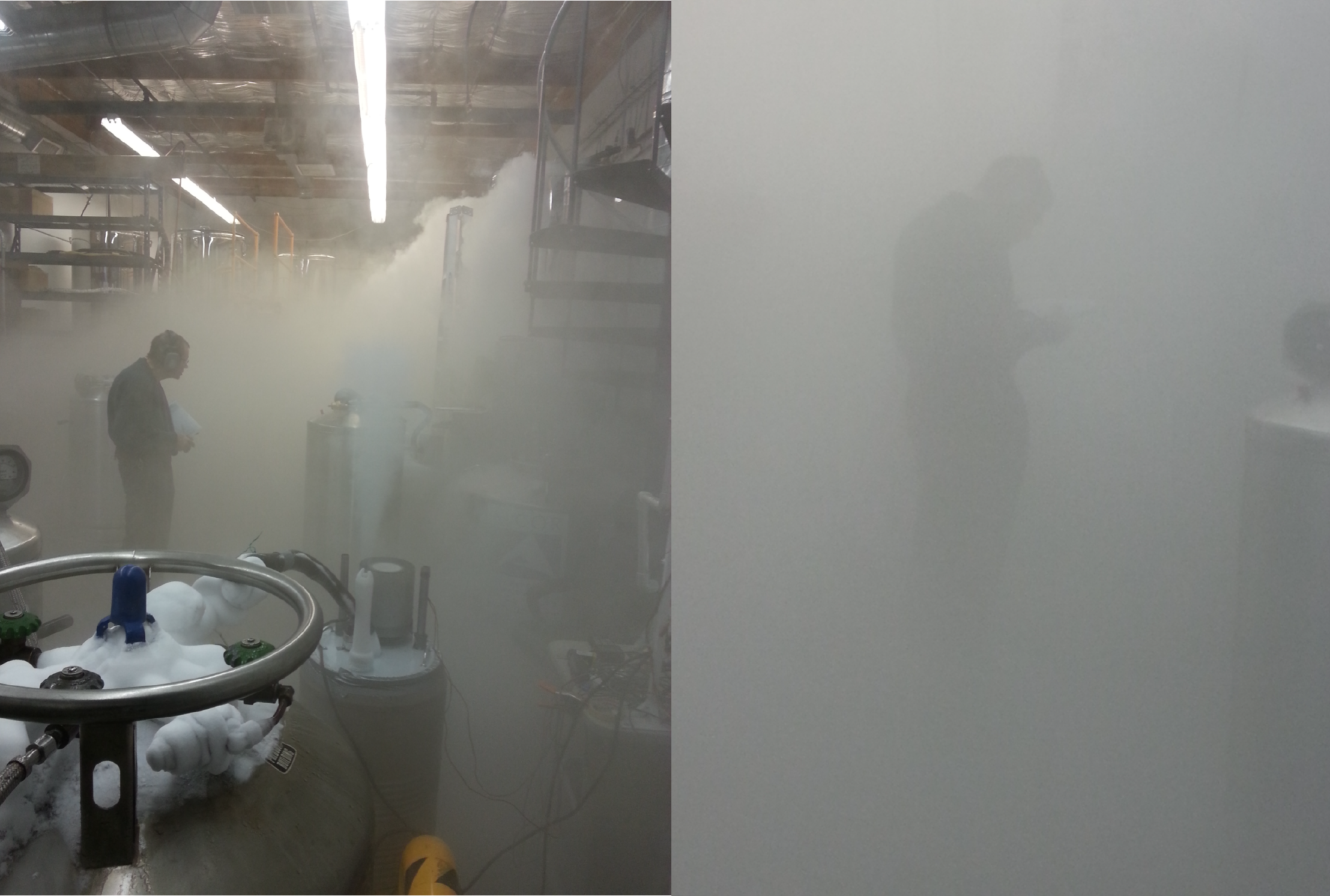
Remembering Mike, circa 2014 – refilling the dewars with liquid nitrogen amid an orchestration of sophisticated instruments and data. Ever vigilant, Mike kept careful watch over what we affectionately refer to as “the fog show.”