
Press Kit

For journalists, researchers, and producers covering cryonics and organ preservation. Download assets, find key facts, and contact our team.
hero-inner-image
alcor-gradient-background-2 inner-image-overlay-desktop

Media Inquiries

For interviews, expert commentary, facility access, or additional background materials, reach out directly. We respond quickly.

[email protected]
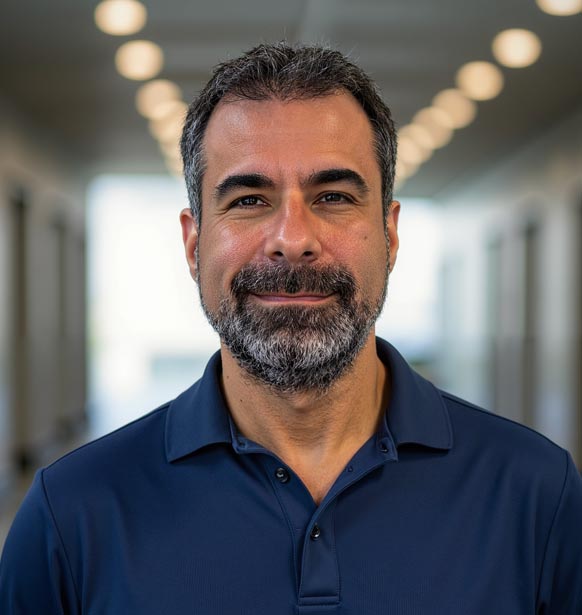
Media Spokesperson James Arrowood, CEO
Location Scottsdale, Arizona

About Alcor

Alcor Life Extension Foundation is a nonprofit dedicated to cryonics – the practice of preserving individuals at ultra-low temperatures after legal death, with the goal that future medicine may enable restoration to health. Alcor also conducts active research in organ and tissue cryopreservation, with implications for transplant medicine well beyond cryonics.

Founded in 1972, Alcor has operated continuously for over 50 years from its Scottsdale, Arizona facility, serving members in 28 countries.

Press Boilerplate

Copy and paste the following paragraph for use in articles, broadcast segments, and other coverage.

✓ Approved for publication Alcor Life Extension Foundation is the world leader in cryopreservation research and technology. Alcor’s mission is the preservation of human life after legal death, with the goal that future advances in medicine may enable restoration to health. Established in 1972 and headquartered in Scottsdale, Arizona, Alcor is a nonprofit scientific research foundation serving over 1,500 members across 28 countries. In addition to cryonics, Alcor conducts research in organ and tissue preservation with applications for mainstream transplant medicine. Learn more at alcor.org.

Key Facts

Founded
1972
Headquarters
Scottsdale, AZ
Members
1,500+
Patients in Storage
250+
Countries
28
Years Operating
53
Storage Temp
-196°C
Organization
501(c)(3)
Whole-Body
$220,000
Neuropreservation
$80,000

What Is Cryonics?

Cryonics is an attempt to preserve human life once current medicine has reached its limits – using a medical-grade antifreeze process to protect tissues from ice crystal damage, then cooling patients to -196°C in liquid nitrogen. Restoration is not currently possible, but supporters believe future advances in medicine and biotechnology may eventually make it feasible, and that preservation buys time for that science to develop.

The Broader Case: Organ Preservation Research

Every year, thousands of people die waiting for a transplant – and thousands more viable organs are discarded simply because they couldn’t reach a recipient in time. The underlying problem is preservation. Alcor’s researchers are working to prove that a full-scale organ can be frozen, stored, and successfully transplanted later – something no organization has accomplished yet. Kidneys are the starting point, but the same science applies to hearts, livers, and lungs. If it works, the organ shortage changes overnight.

How the Process Works

1
Legal death is declared
Cryonics procedures begin only after a person has been legally pronounced dead.
2
Stabilization and cooling
A trained response team works to cool the body and protect tissues as quickly as possible.
3
Cryoprotectant perfusion
Medical-grade antifreeze solutions replace water in the tissues to prevent ice crystal formation.
4
Long-term storage
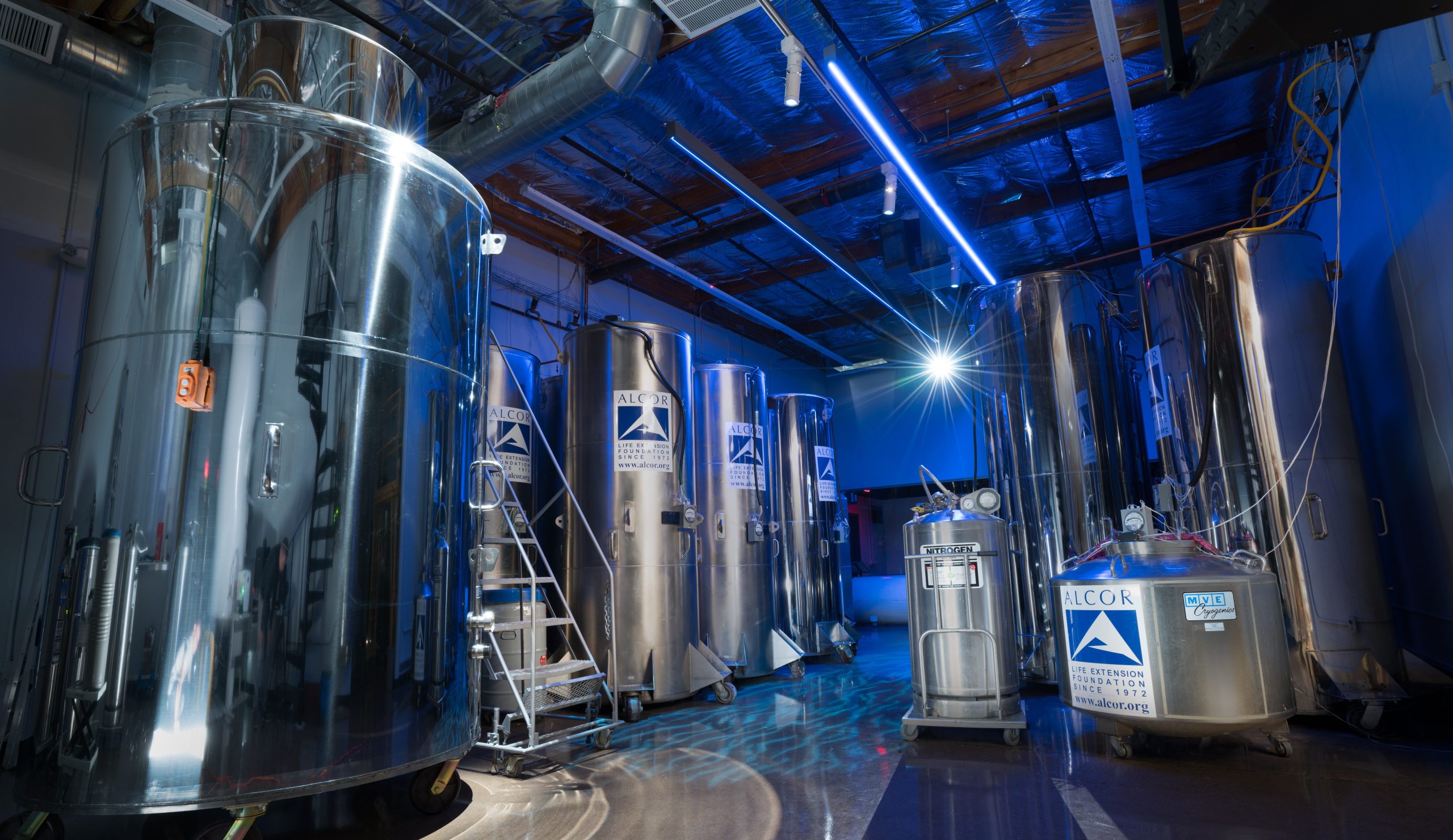
The patient is cooled to -196°C and placed in a liquid nitrogen storage vessel at Alcor’s Scottsdale facility.

Suggested Story Angles

  • 🎖️ Ex-Special Forces. Now On Call for Cryonics. Alcor’s Deployment and Recovery Team (DART) is the only fully in-house cryonics response team in the world – staffed by former Navy SEALs and other elite military veterans, deployable anywhere, 24/7. Most people have no idea this team exists.
  • 🫀 Alcor’s Bid to Solve the Organ Shortage Every year, thousands of people die waiting for a transplant and thousands more viable organs are discarded because they can’t reach a recipient in time. Alcor’s researchers are working on the preservation protocols that could change that – with implications far beyond cryonics.
  • 💲 Cryonics Is More Affordable Than You Think Most Alcor members fund their membership through a life insurance policy – often for just a few dollars a day. For younger, healthier members, premiums can be especially low.
  • 🌍 Alcor Is Taking Cryonics to Europe Alcor is actively expanding into Europe – building partnerships with European special forces to extend response capabilities internationally. Cryonics is no longer just an American story.

Photo Library

All photos are available for editorial use. Use the download link below each photo to save full size.

Patient Care

Patient care bay

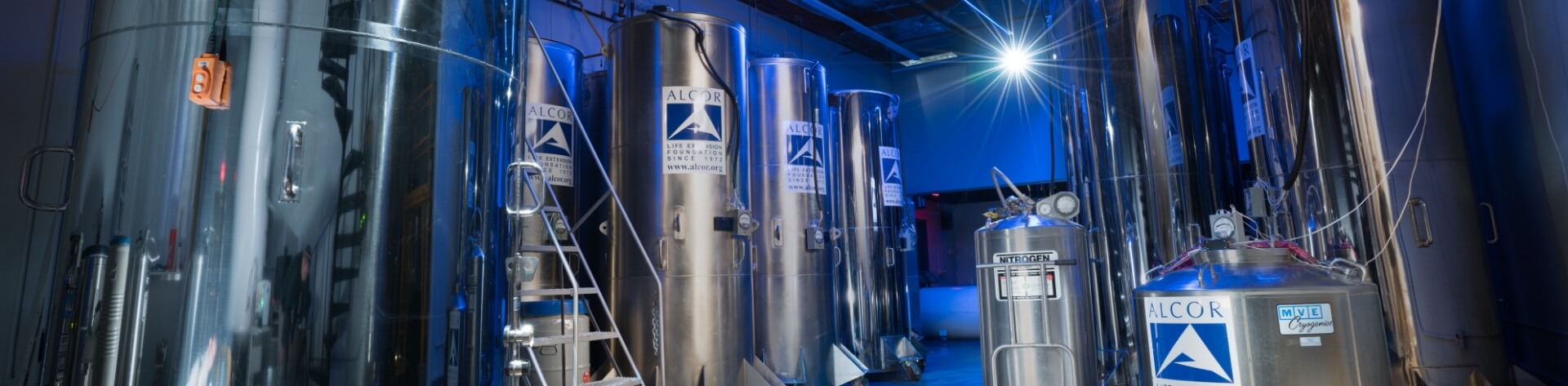
Alcor’s patient care bay, where patients are held in long-term liquid nitrogen storage.

↓ Download
Liquid nitrogen dewar

A cryogenic storage dewar. Patients are maintained at -196°C in liquid nitrogen.

↓ Download
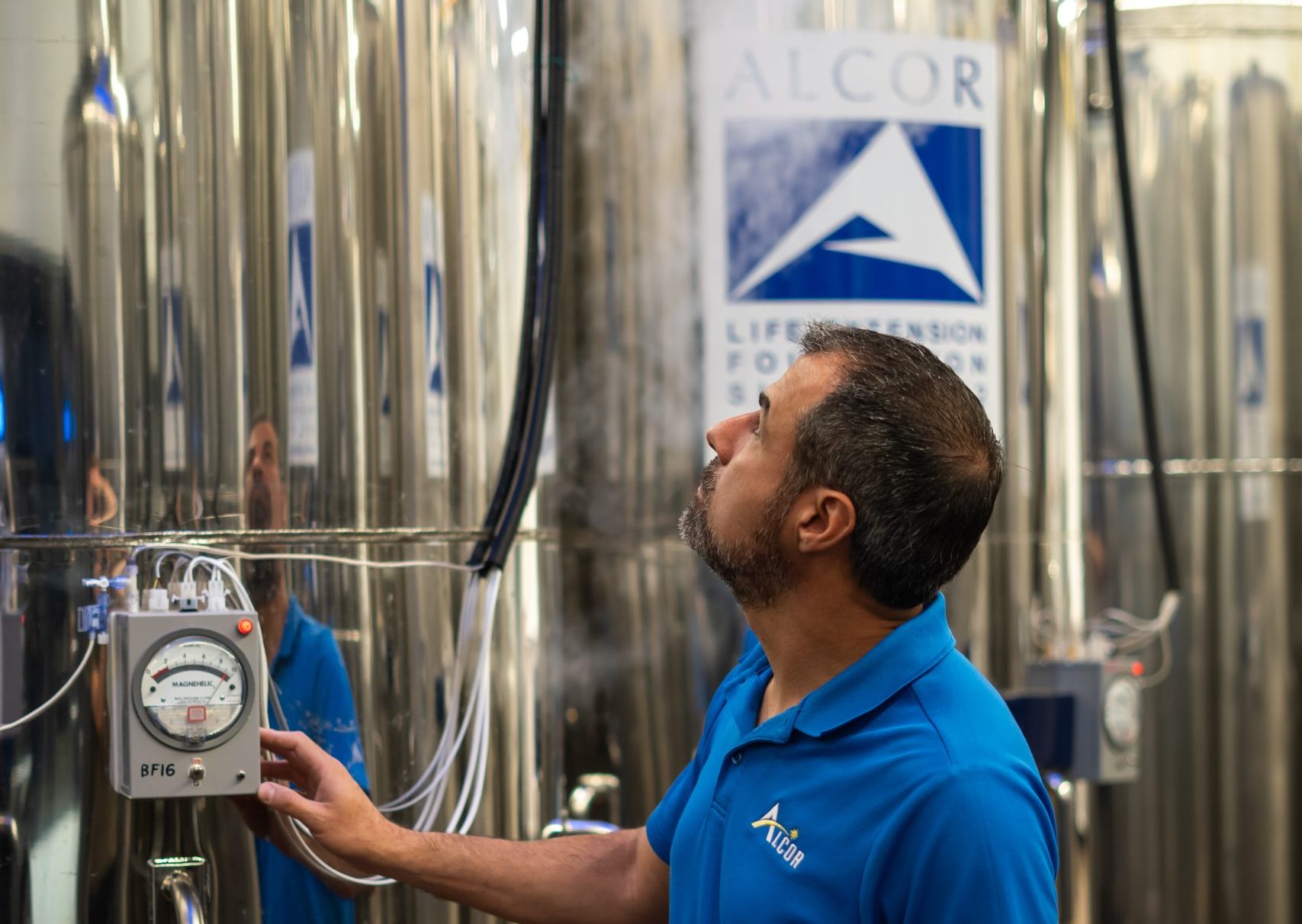
CEO in patient care bay

CEO James Arrowood in Alcor’s patient care bay.

↓ Download

Facility

Alcor exterior

Alcor’s Scottsdale, Arizona facility.

↓ Download
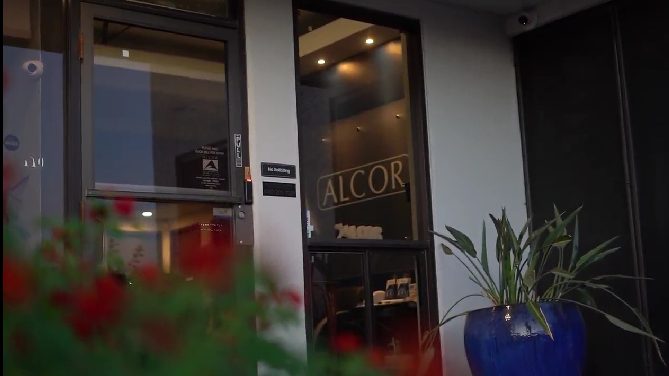
Alcor entrance

The entrance to Alcor’s Scottsdale headquarters.

↓ Download
Alcor lobby

The main lobby inside Alcor’s facility.

↓ Download

Deployment and Recovery Team (DART)

DART team

Alcor’s Deployment and Recovery Team (DART) – the only fully in-house cryonics response team of its kind.

↓ Download
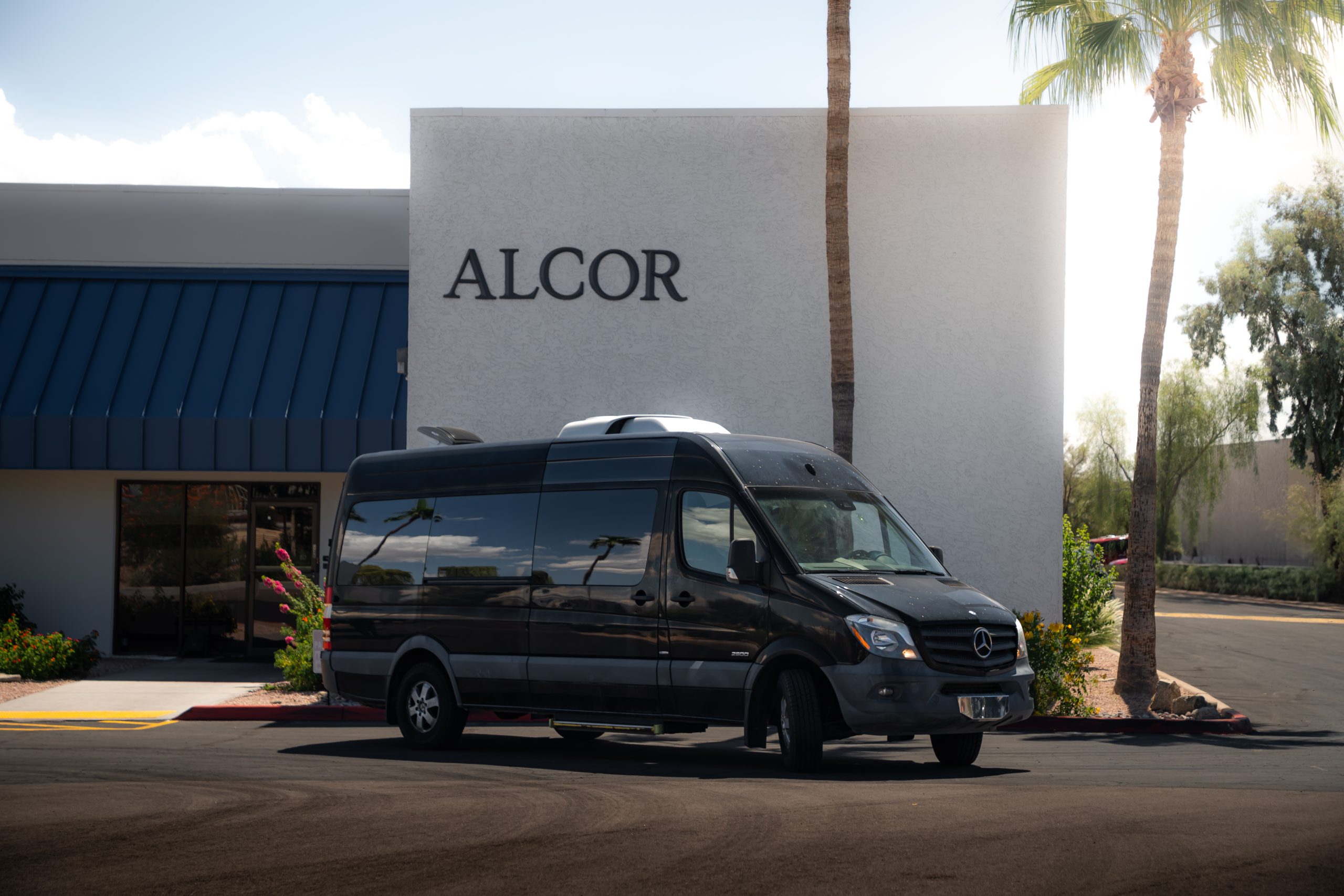
Alcor facility with DART van

Alcor’s facility with DART response vehicle.

↓ Download
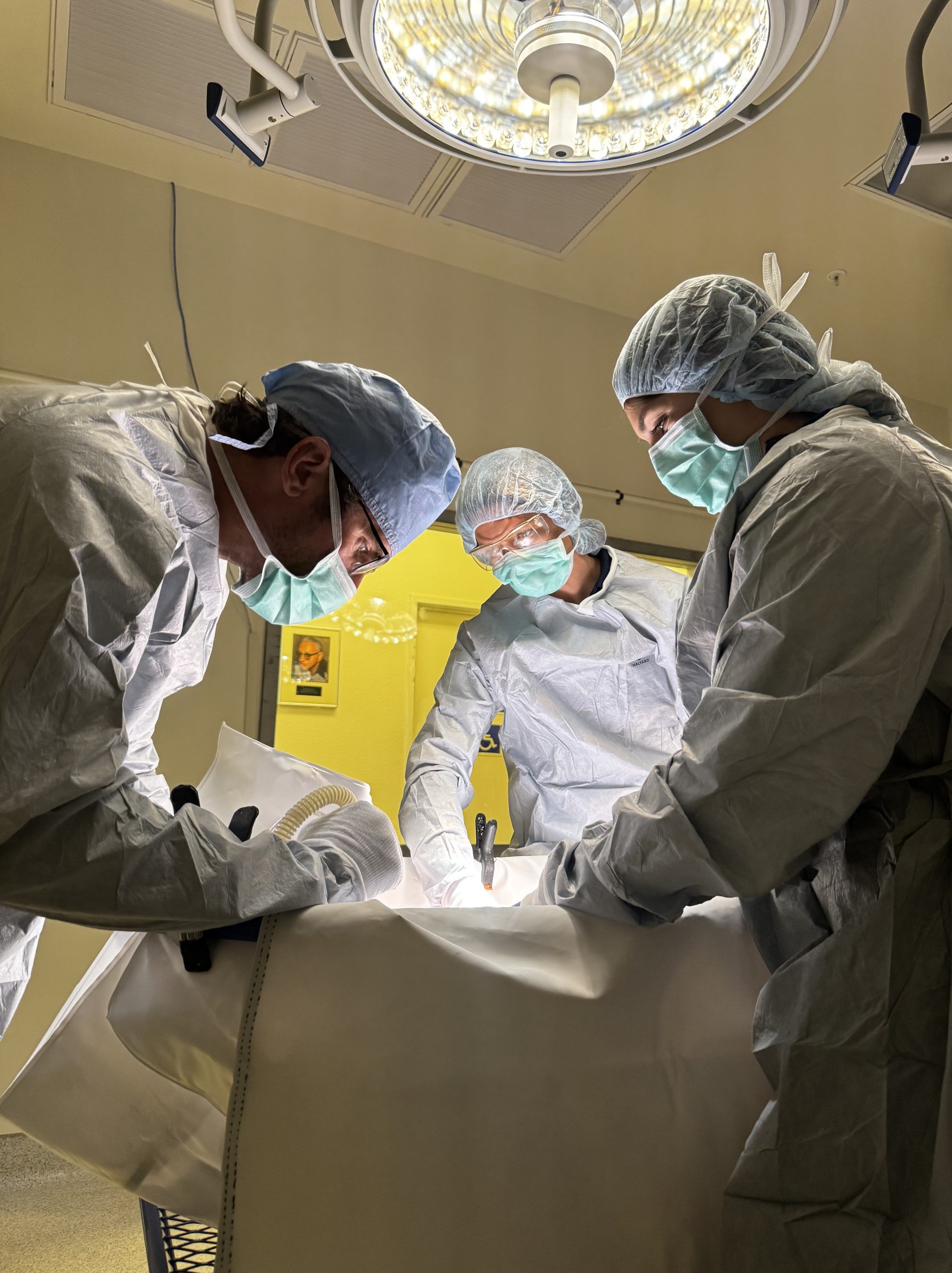
Surgical procedure

Alcor medical staff performing a cryopreservation procedure.

↓ Download

Research & Engineering

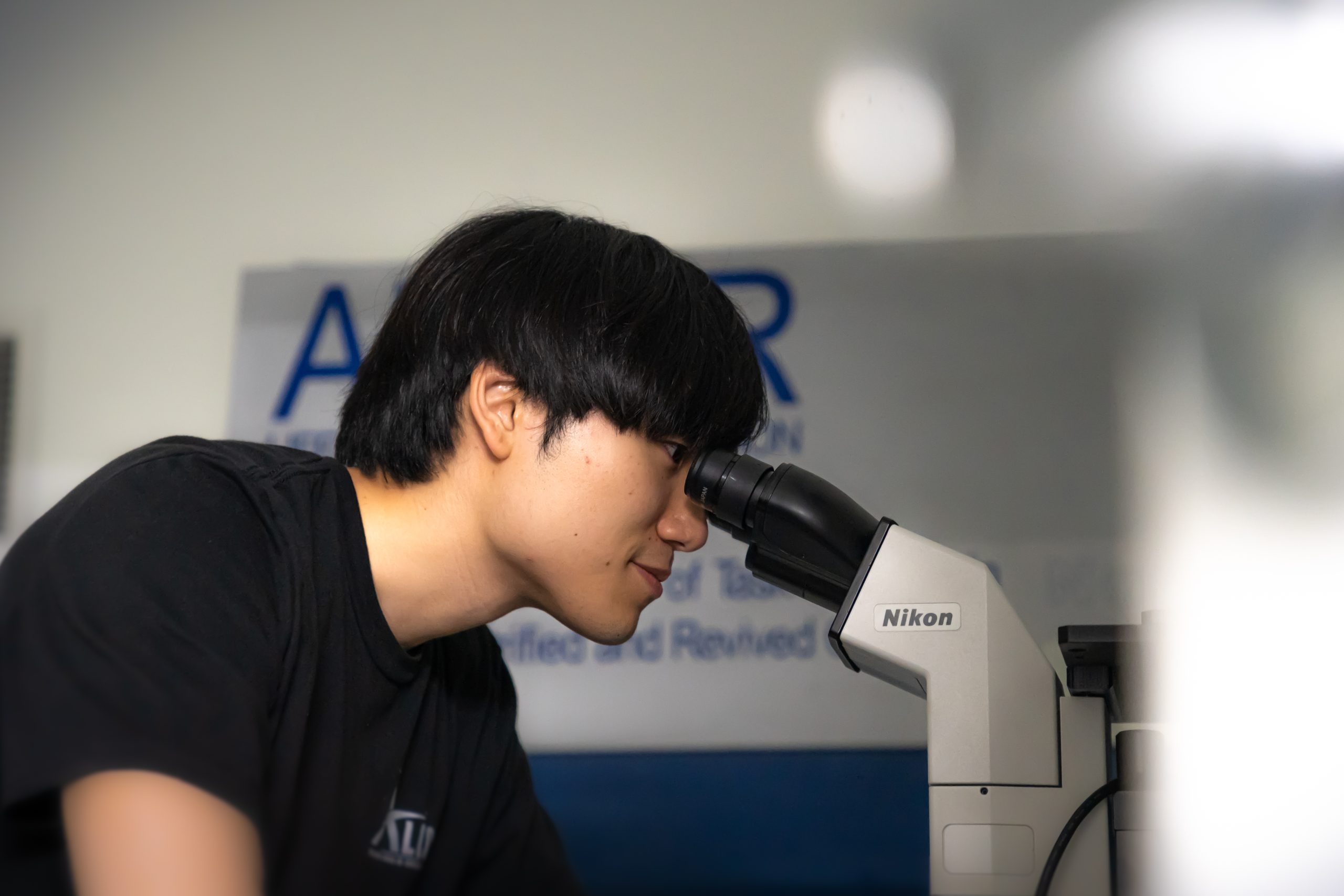
Researcher at microscope

Research team assessing cell viability using fluorescence microscopy.

↓ Download
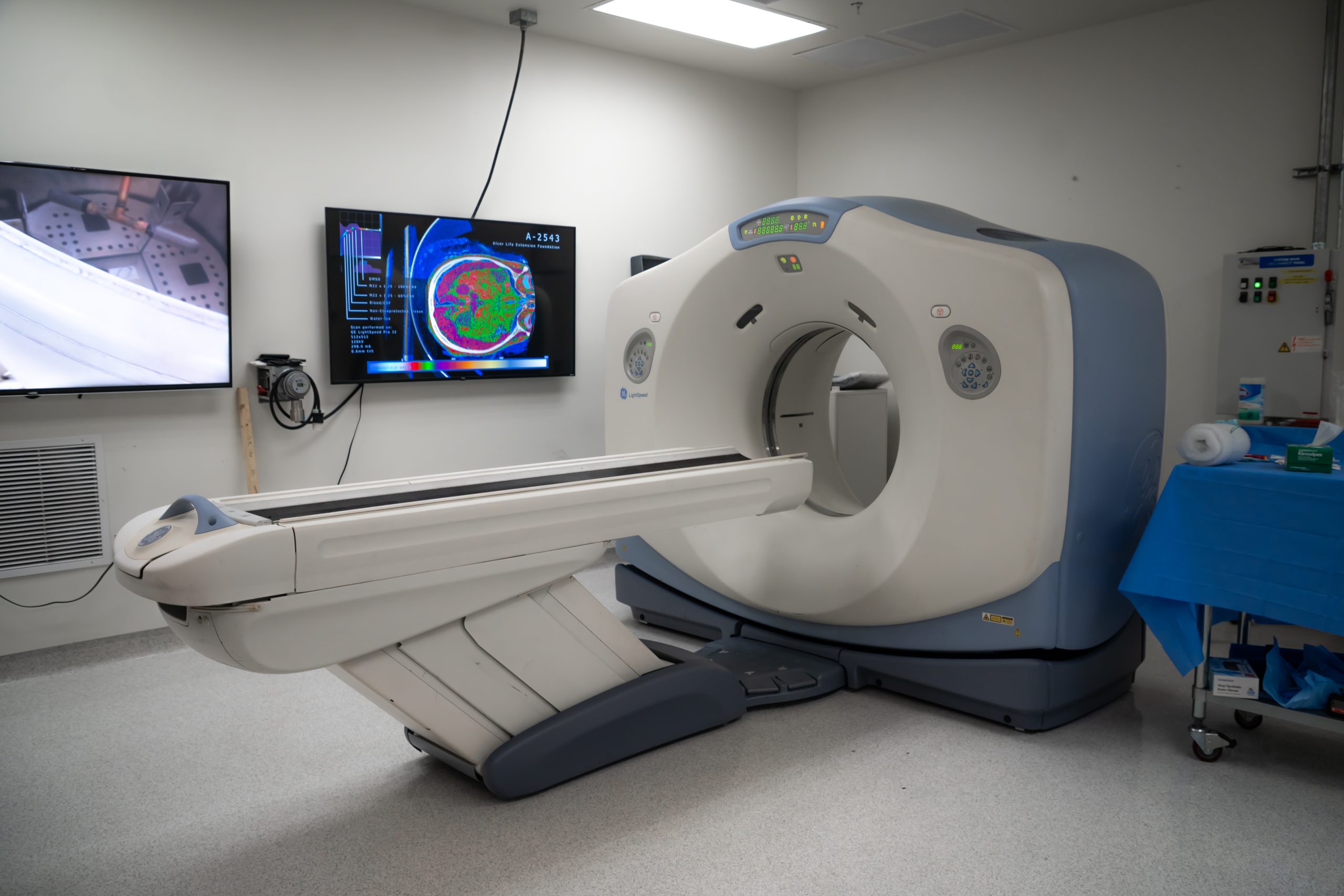
CT scanner

Alcor’s in-house CT scanner, used to validate cryoprotectant distribution in real time.

↓ Download
Engineering team

Alcor’s engineering team, which designs and builds custom medical equipment in-house.

↓ Download

Leadership

James Arrowood CEO

James Arrowood, CEO of Alcor. Available for interviews.

↓ Download
Linda Chamberlain

Linda Chamberlain, co-founder. She helped build Alcor in 1972 and still works there today.

↓ Download
Linda Chamberlain historical

Linda Chamberlain, co-founder. A historical photo from Alcor’s early years.

↓ Download