Eisenhower famously said, “Plans are useless, but planning is indispensable.” Wise words if ever there were, and a lesson that Alcor doesn’t take for granted. This edition circles back to a thread we left open last issue – a landmark DART training, and the dramatic turn it took while underway.
Here’s what’s going on behind the scenes at Alcor:
⚡ The Highlights
A landmark DART training
Honoring Mike Perry
DART training comes to Europe
Welcoming Dr. Michael Caskey, Medical Director
July board meeting recap
“Defrosted” – a cardiologist’s case for cryonics
Nor-Cal member meetup
The latest cryonics news roundup
🚑 A Landmark DART Training
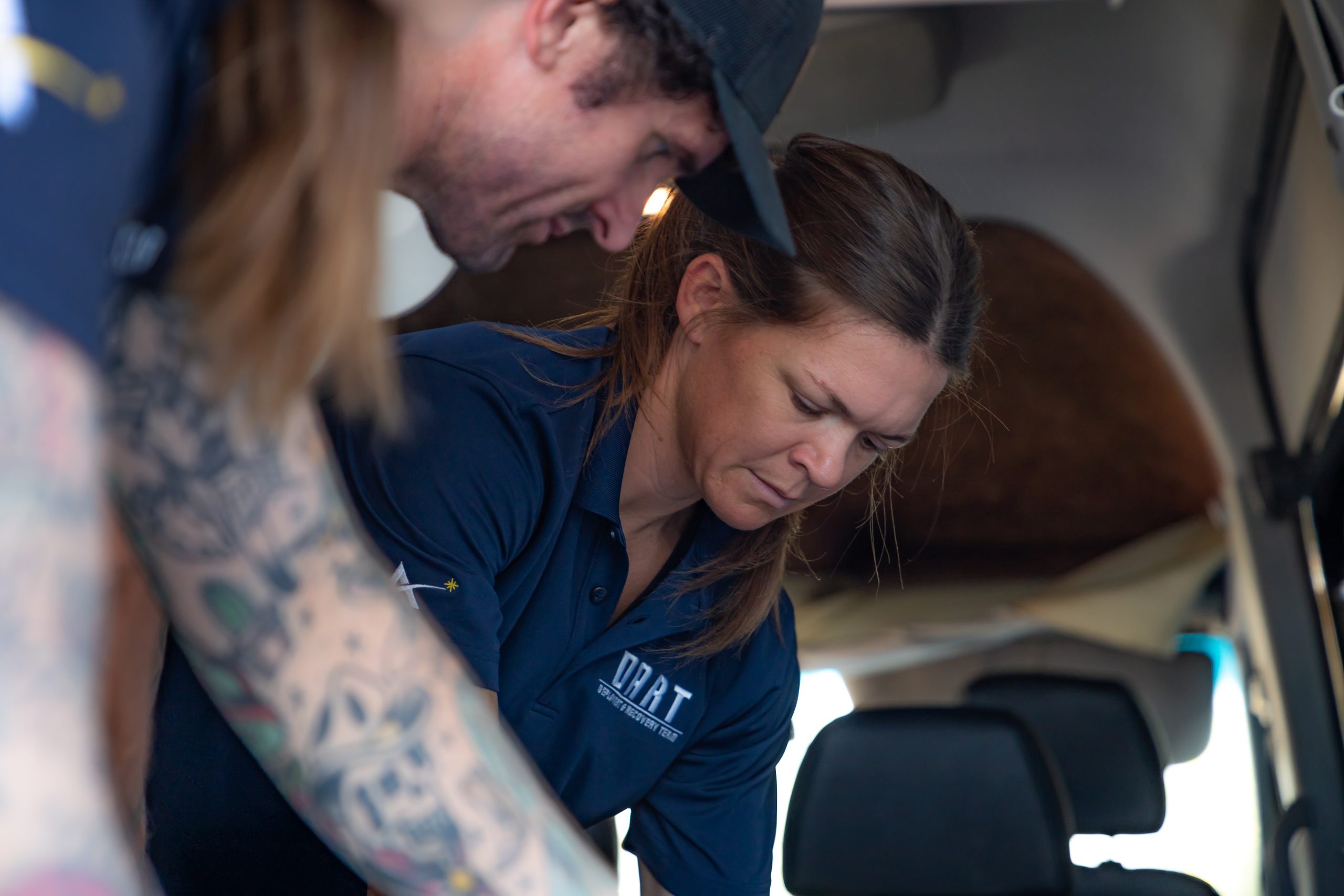
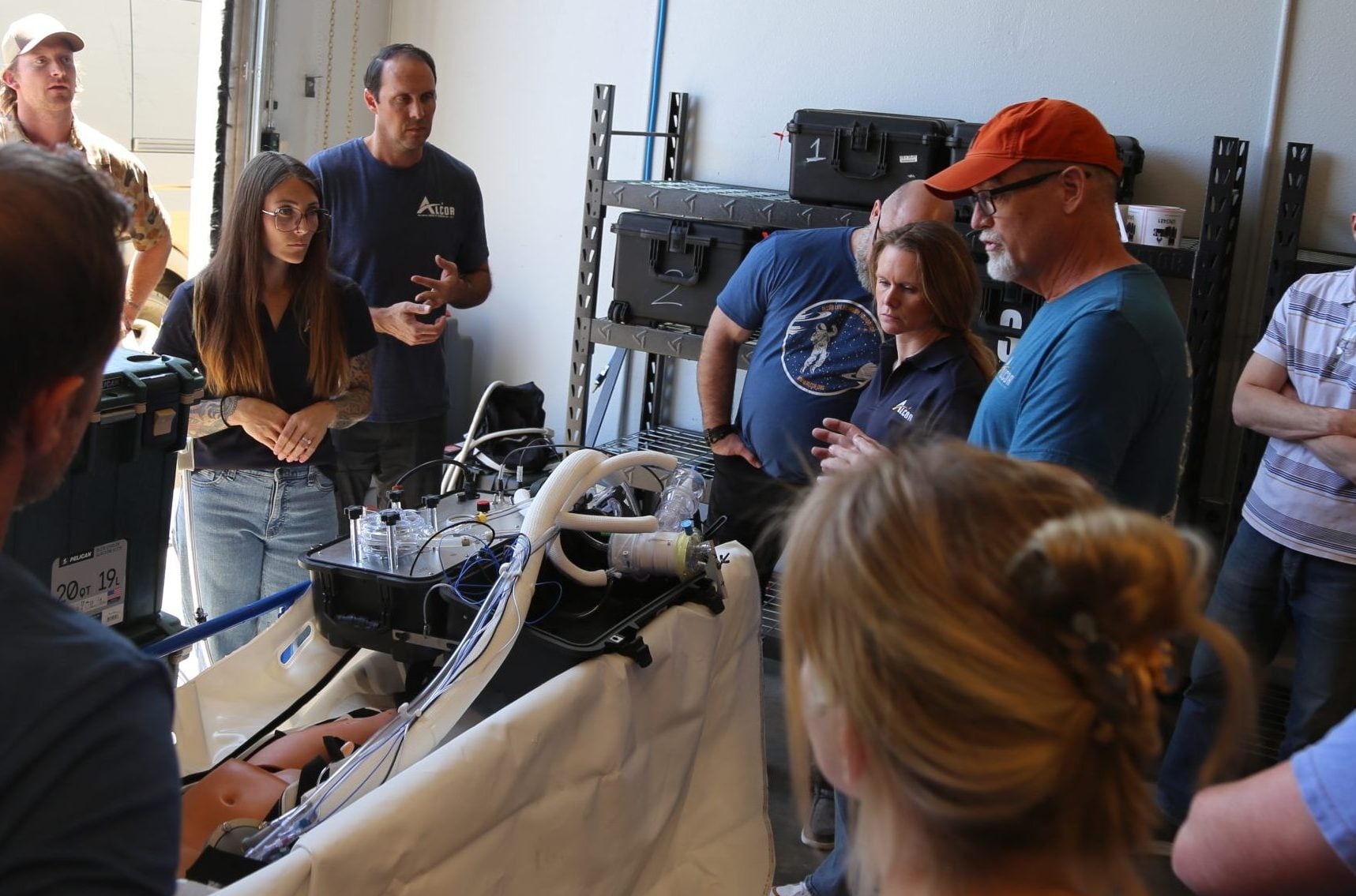
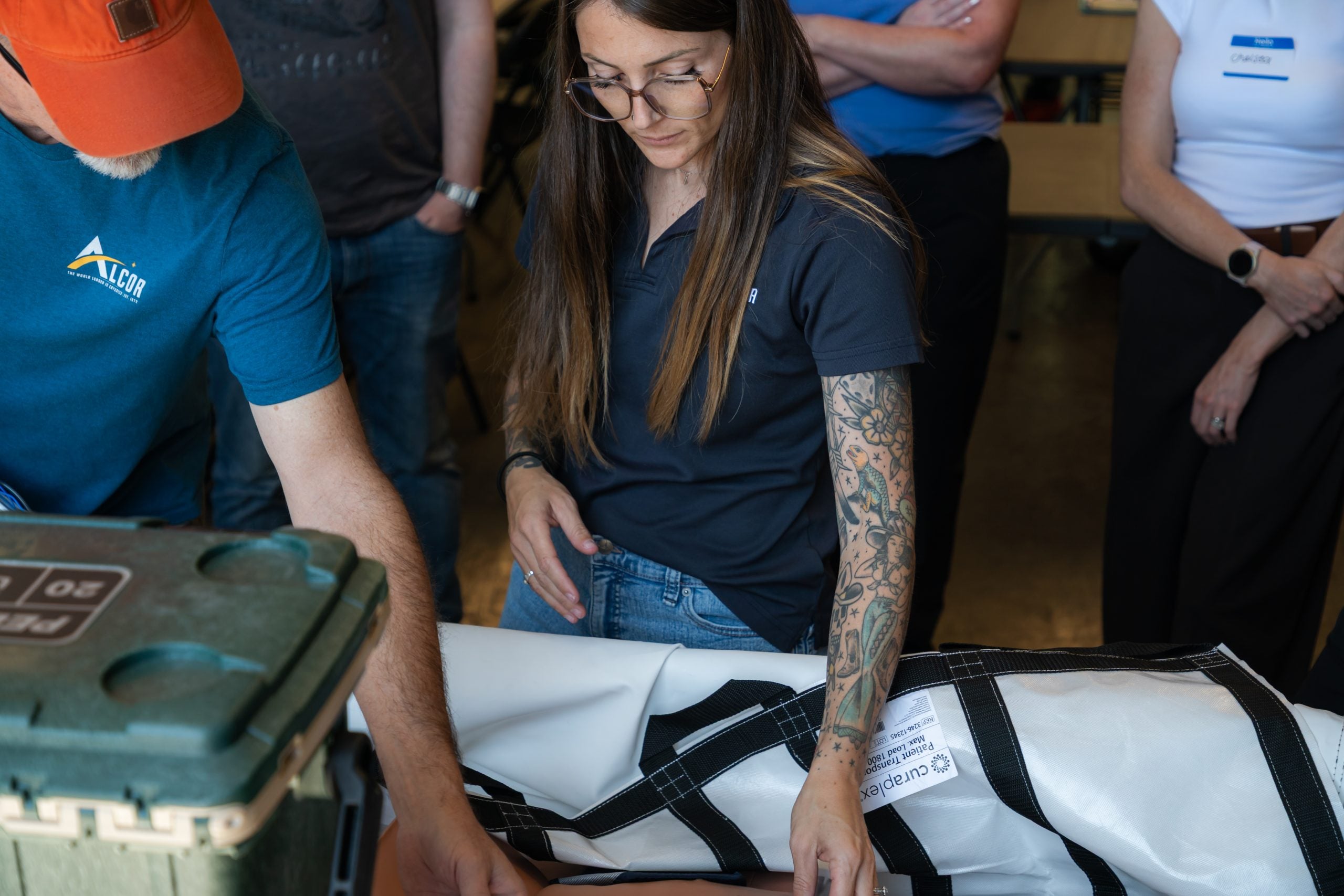
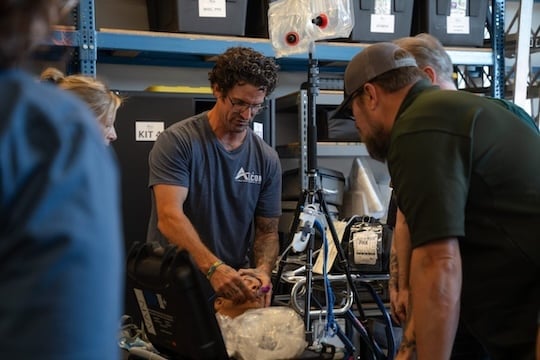
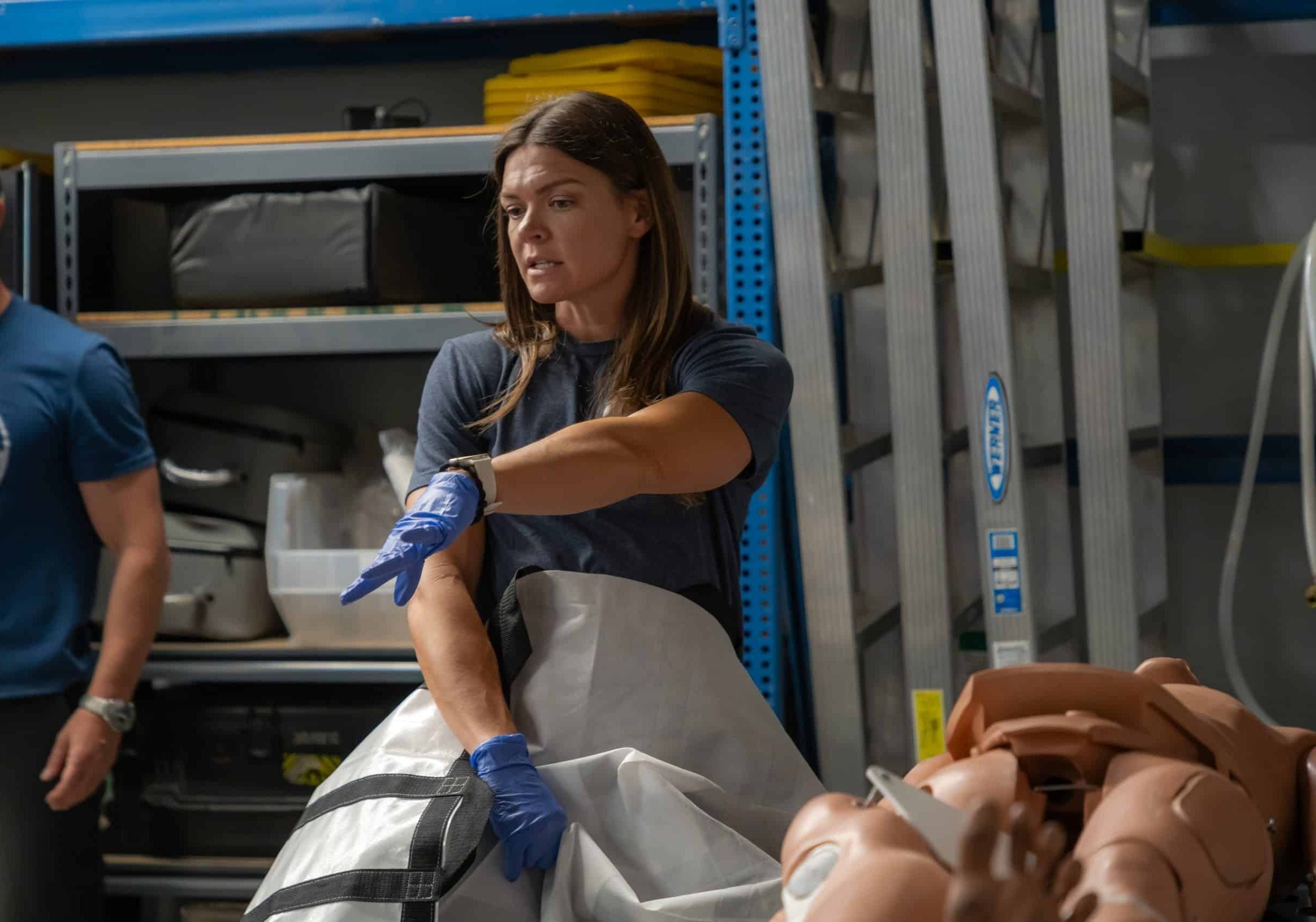
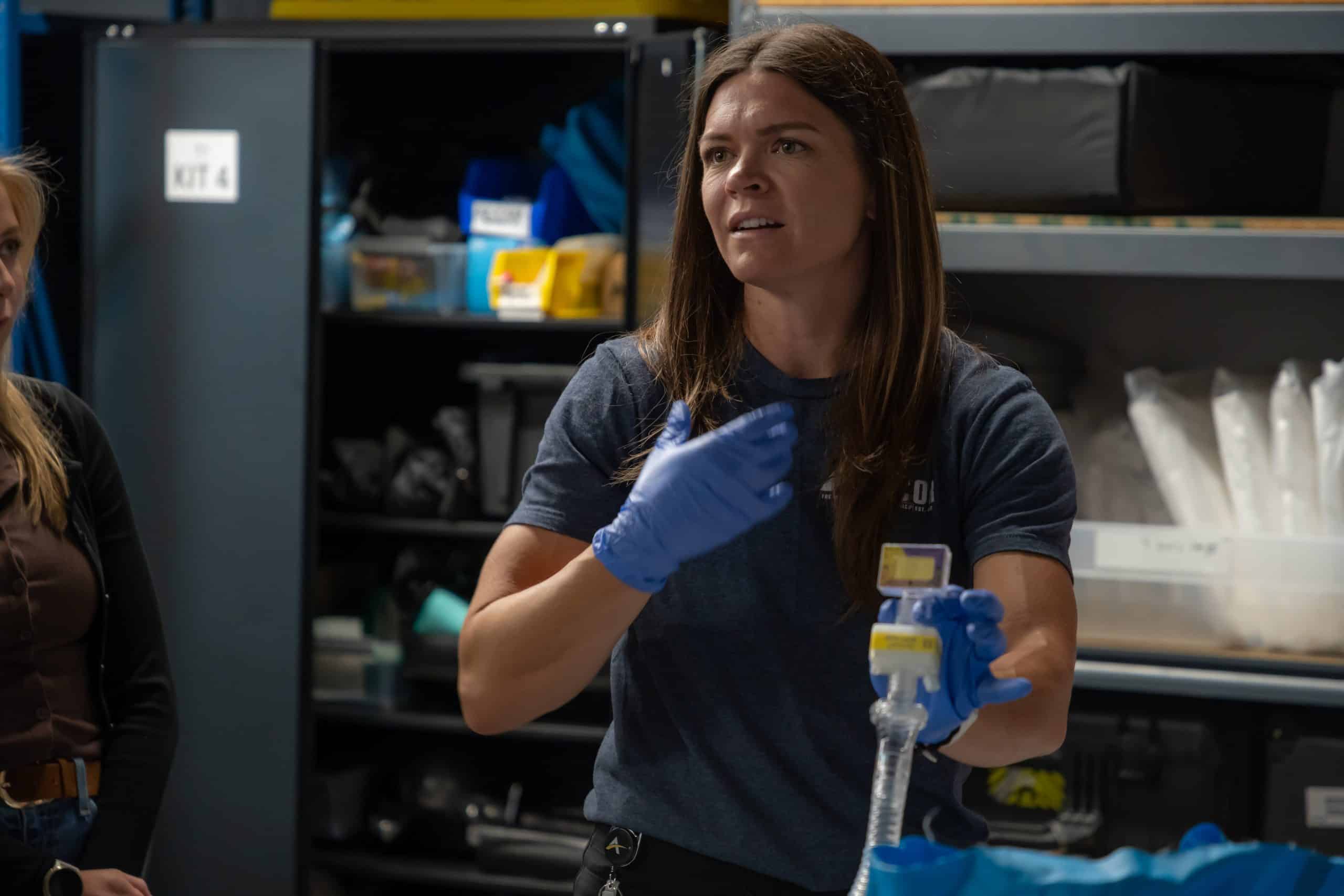
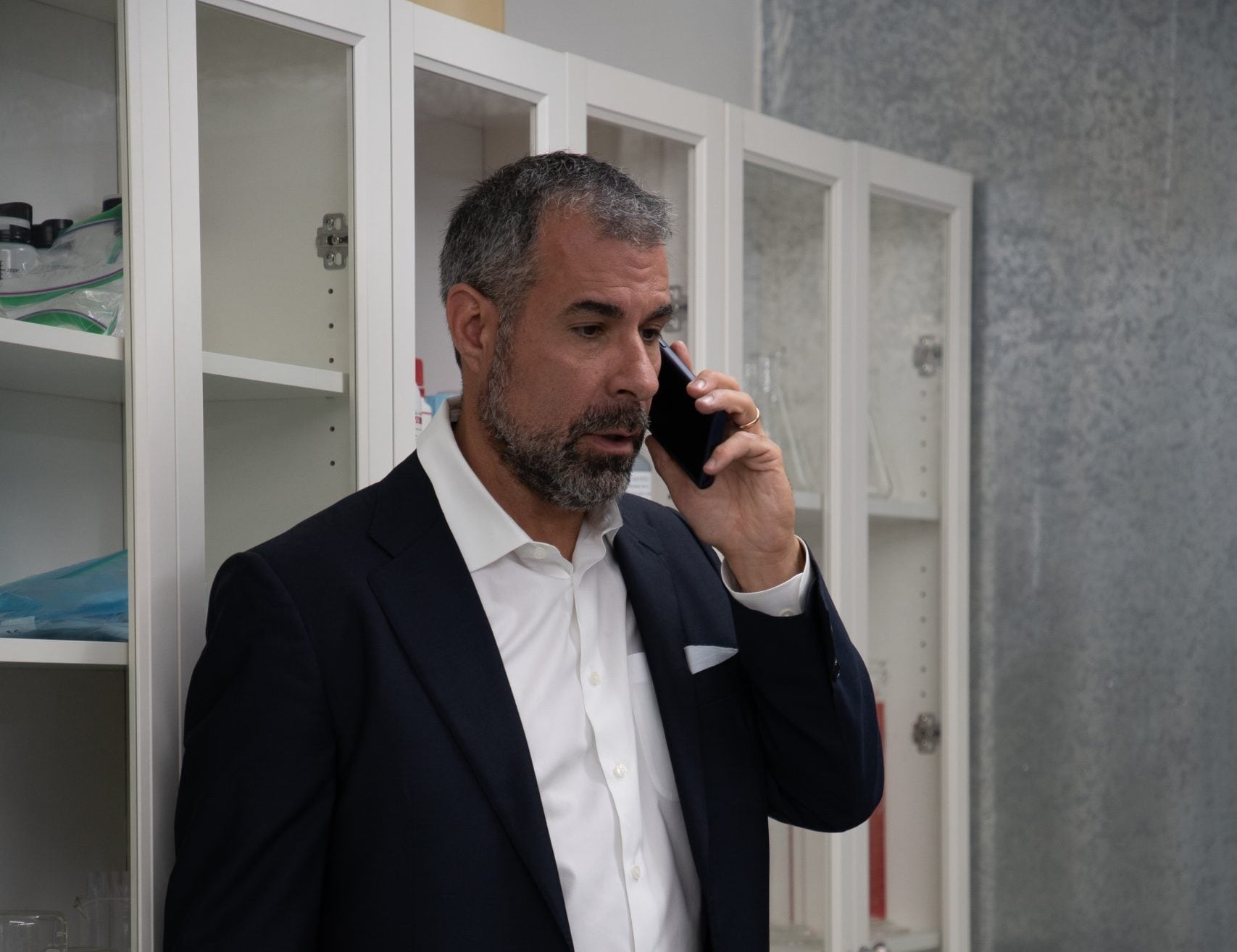
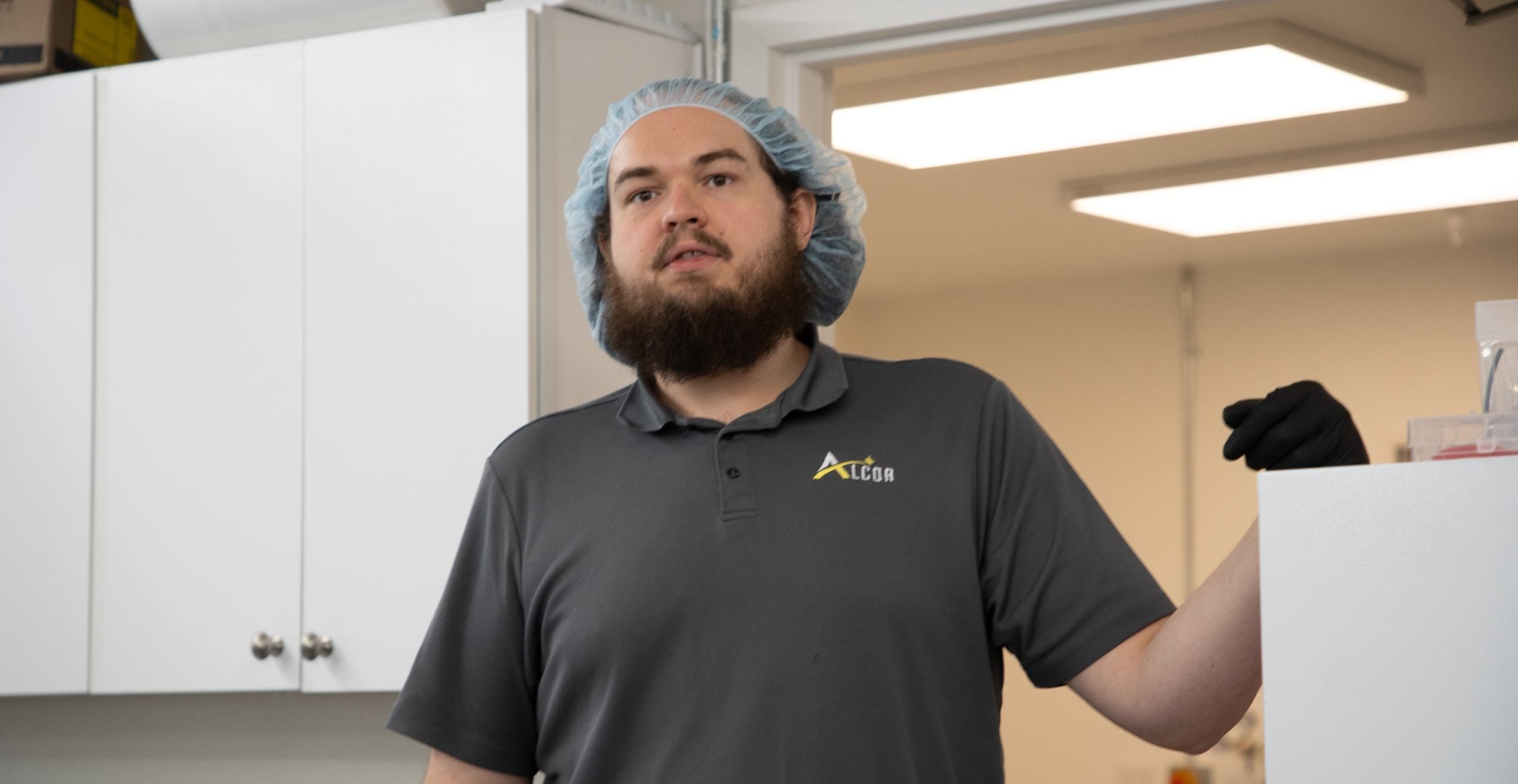
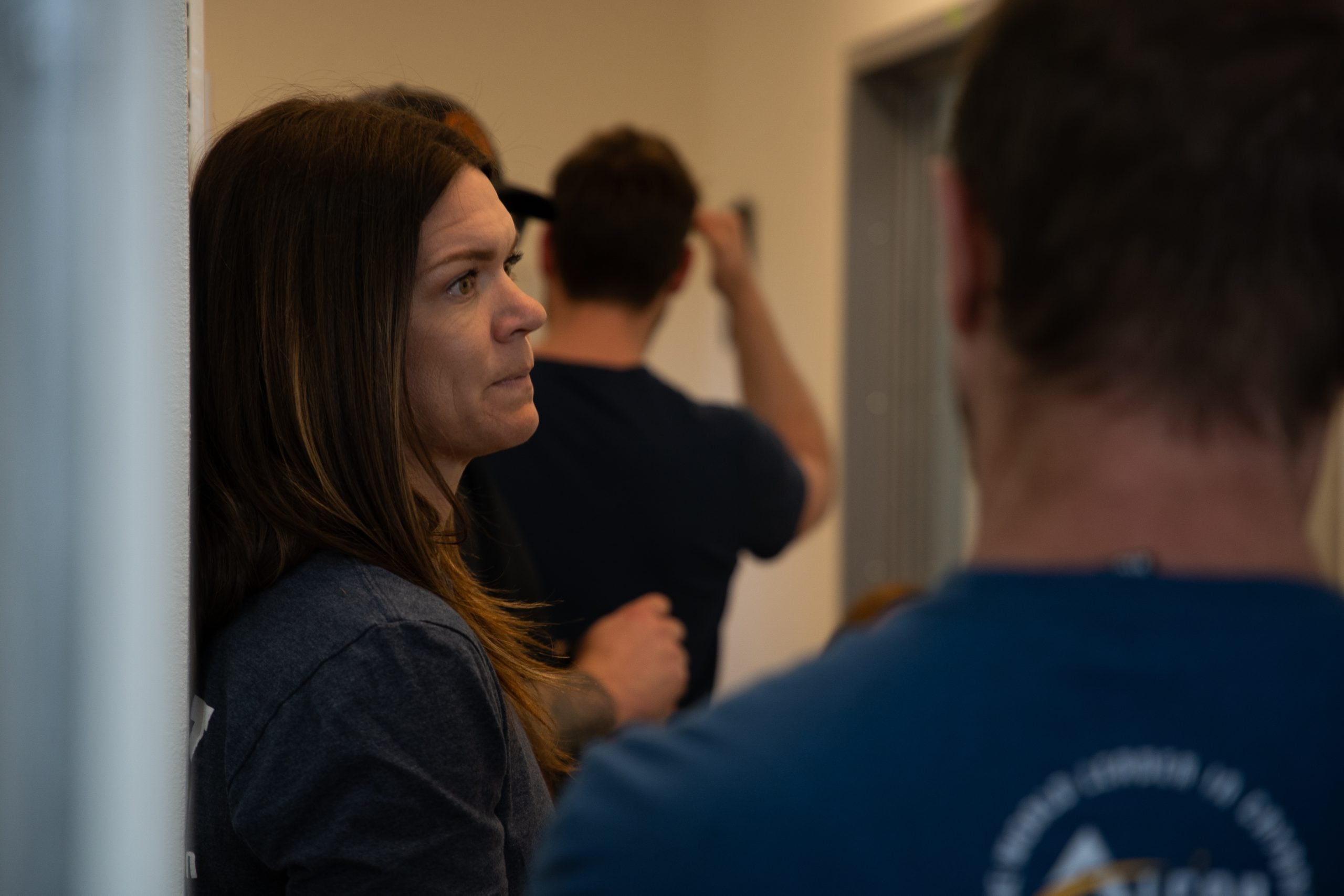
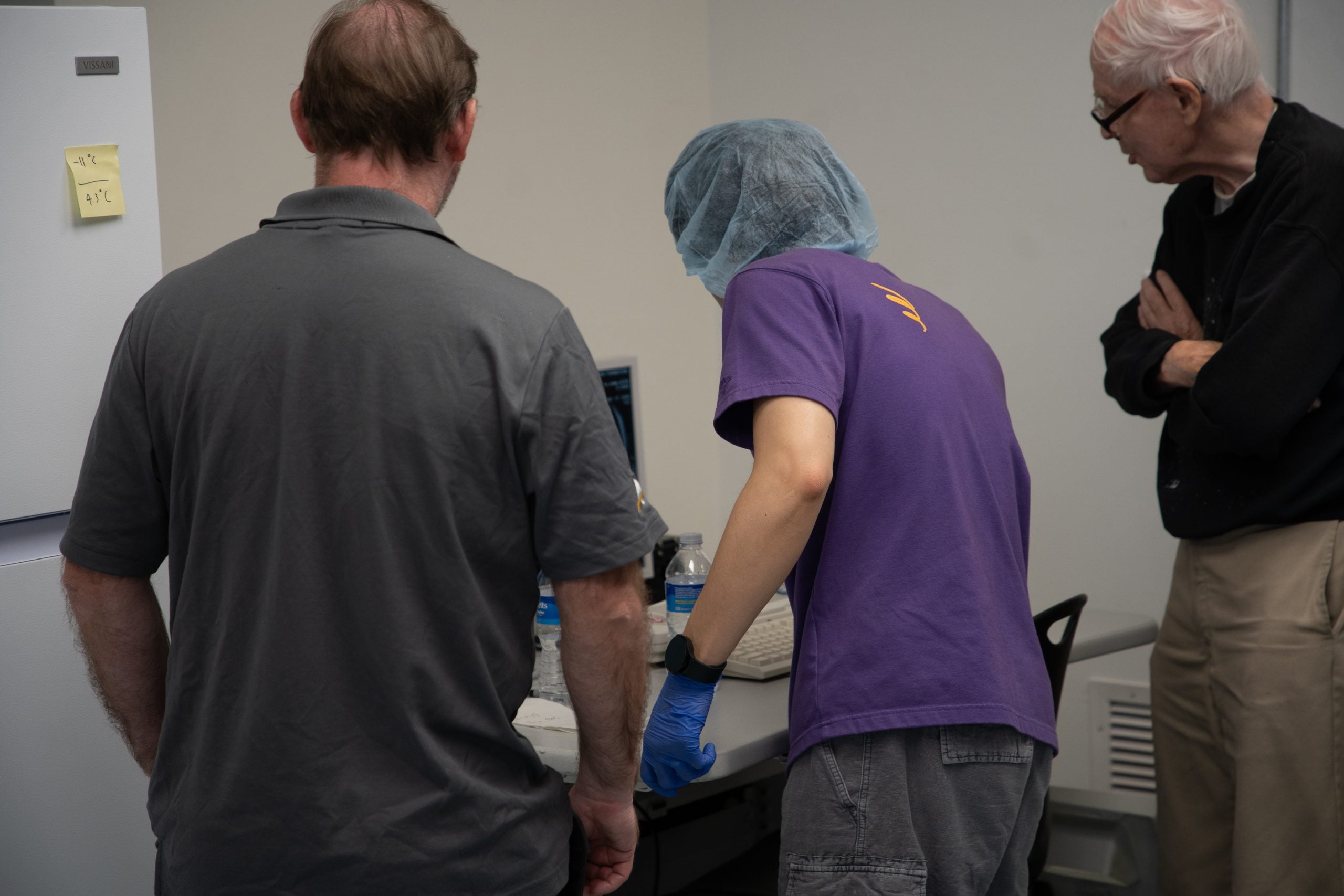
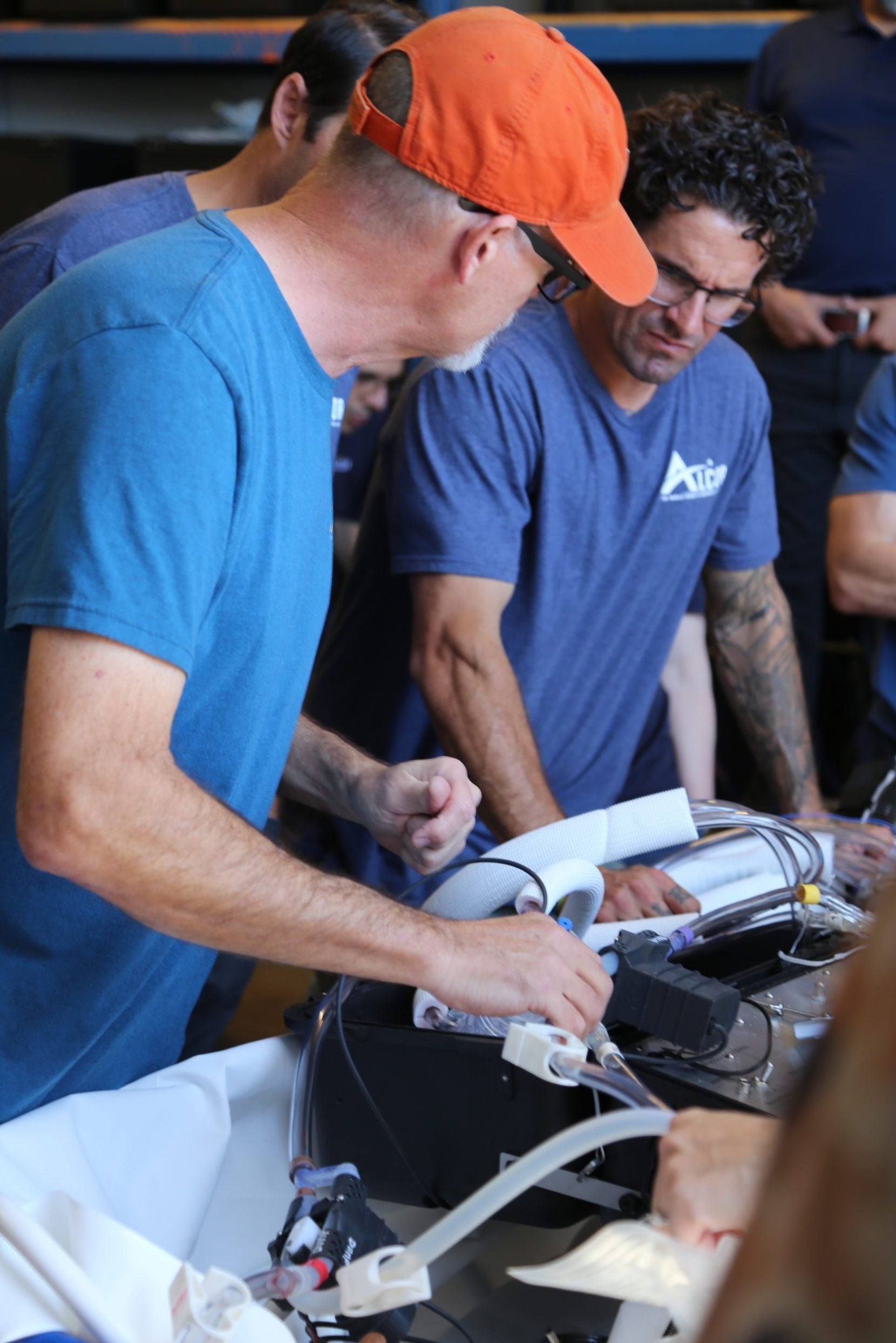
From April 13th through the 16th, Alcor hosted one of the largest and most comprehensive DART trainings in its history – four full days that brought together more than 30 advanced professionals, drawn from across the United States, Canada, and Europe.
But before we get into it, a quick primer on the DART team for anyone new. DART is the acronym for Alcor’s Deployment And Recovery Team. In an emergency, they’re the ones who spring into action and deploy to your location, anywhere in the world. When the time comes, they’re also the ones that will standby at your bedside, waiting diligently so that your preservation can begin the moment legal death is pronounced. Ultimately, their goal is to make sure you get back to Alcor safe and sound.
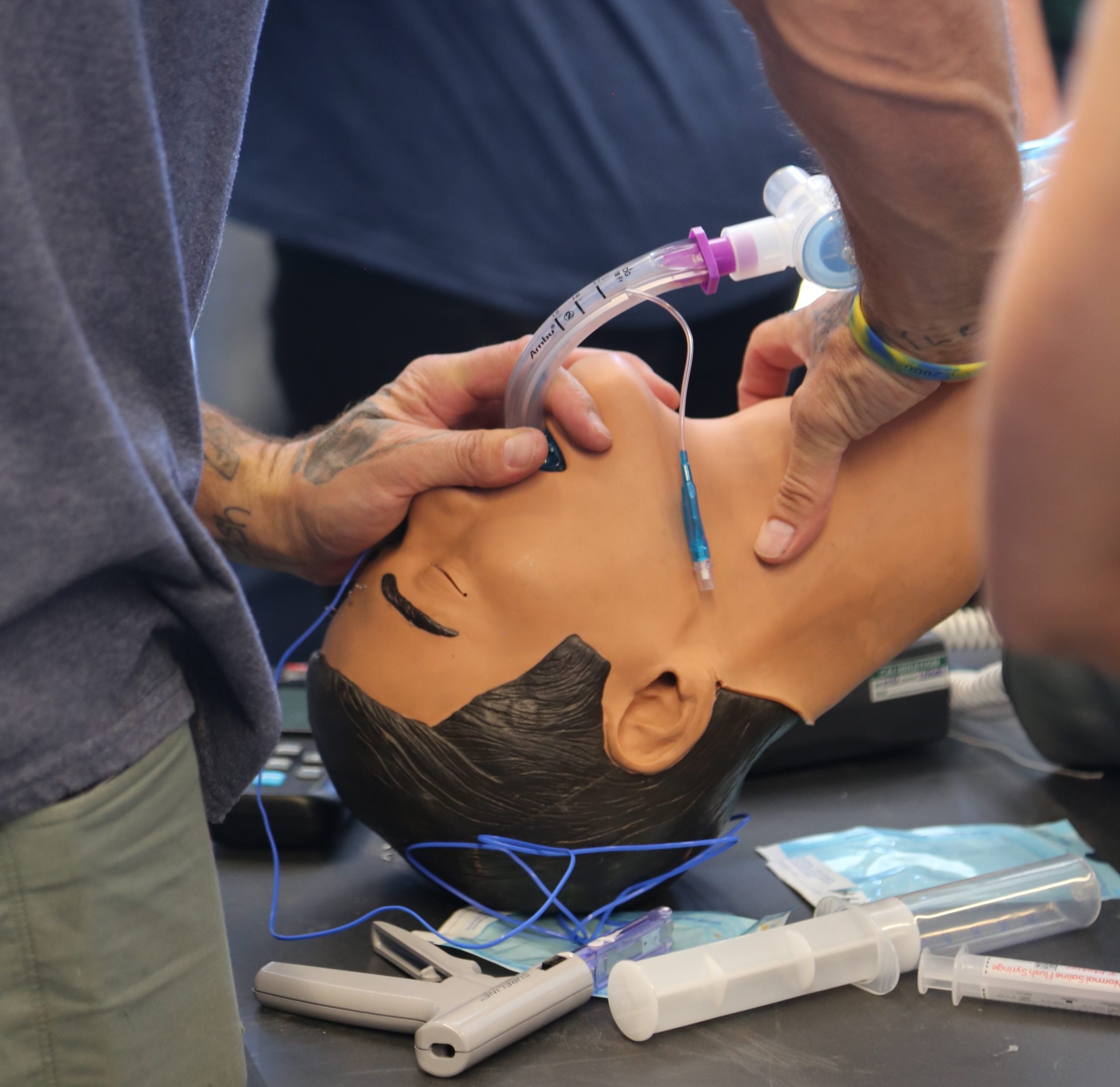
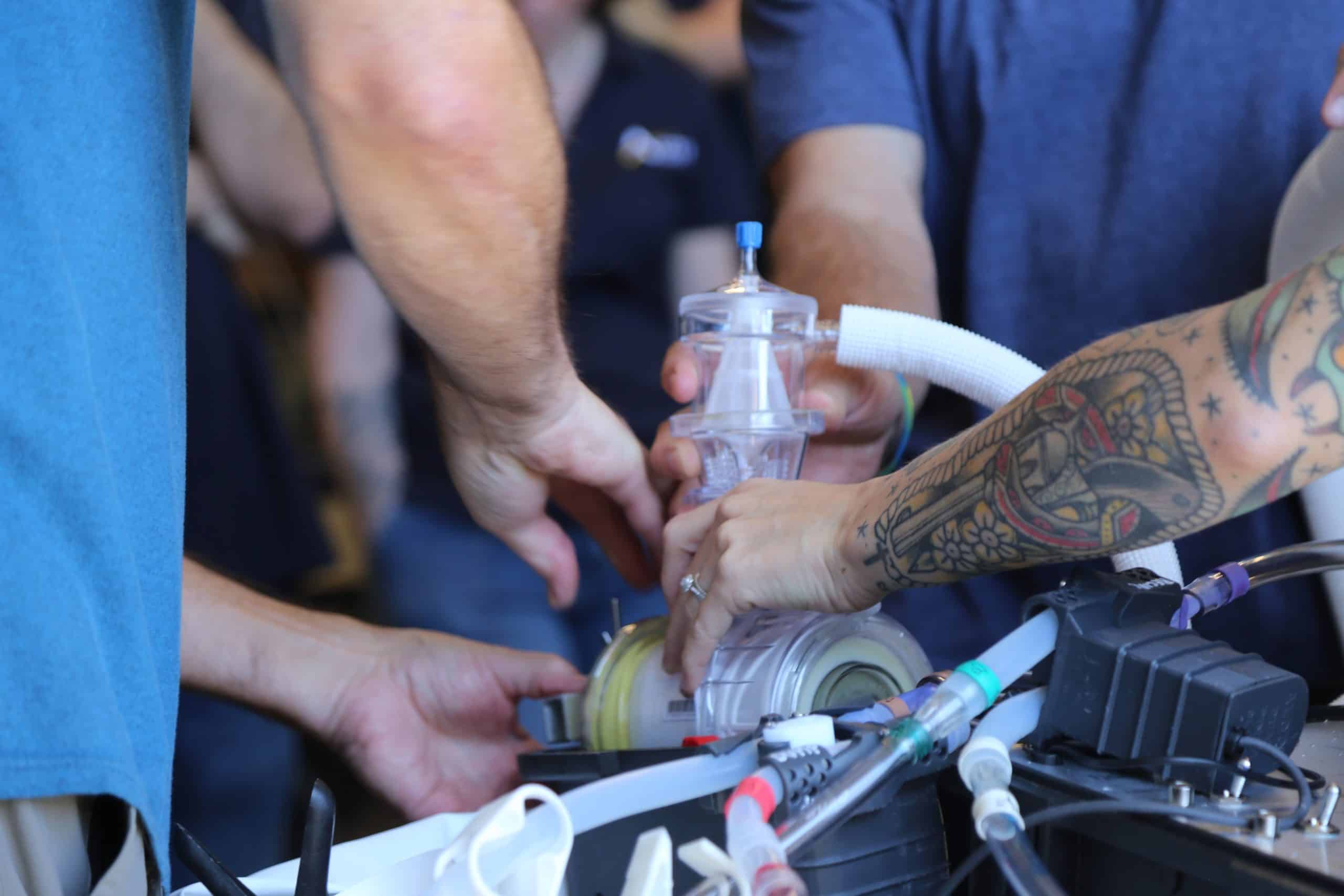
Preparing teams for all that is involved with this process is no small task, and this comprehensive training session was built to match. It combined classroom instruction, hands-on work, cadaver-based surgical workshops, and operational exercises – and, as it turned out, real deployments running concurrently.
Why does a training like this matter so much? Because for a successful cryopreservation time is of the essence, and the way DART responds during the deployment and recovery phase of cryonics is among the most consequential of the entire process. It unfolds under immense pressure, where preparation makes all the difference.
🎖️ Not Your Average Trainees
The people who showed up were remarkable in their own right – drawn from across the military, medicine, emergency response, and the funeral industry. Among them were special-operations military personnel, surgeons, ICU nurses, paramedics, fire captains, and funeral directors. Also joining them for the first time was Dr. Michael Caskey, a world-class cardiothoracic surgeon, and one of Alcor’s newest Medical Directors.
Overseeing it all was Shelby Calkins, Alcor’s Medical Response Director, who organized and led the training. A critical-care nurse with over a decade in cardiovascular and neuro-trauma ICUs, she commanded the room with a quiet authority from start to finish.
Editor’s Note
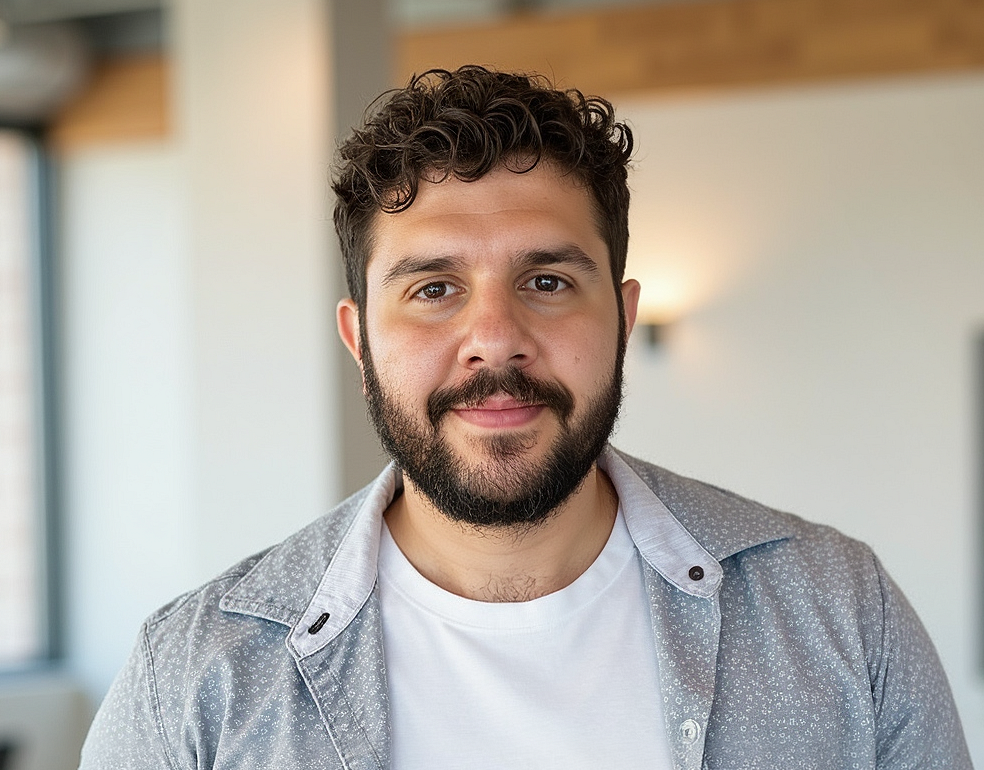
Daniel Walters
What struck me was the caliber of individual that DART starts with, before a single hour of Alcor’s own training. Many were already operating at the very top of their respective fields long before Alcor even entered the picture – quietly exceptional people.
🔑 What Sets This Training Apart
So what made this training different from the ones that came before it? Part of it was the scale. But more than that, it was the model behind it.
Historically, before Alcor’s DART model took shape, trainings within the cryonics industry were smaller and less standardized, and leaned heavily on a few highly experienced individuals. That approach was unideal even for its time, and it became increasingly untenable as Alcor looked to scale – particularly in the event of multiple simultaneous cases, where depth across the team isn’t a luxury but a necessity.
It’s hard to appreciate the value of this until you see an organization tested under load – and as you’ll discover a little further into this story, during this particular training week, Alcor was definitely put to the test.
The creation of the DART model was a reaction to those historical issues and an evolution towards more repeatable procedures, measurable proficiency standards, leadership development, and enough organizational depth that expertise is shared across the whole team rather than resting on any one person.
DART training is certification training, and the proficiency standards it’s built on have teeth. It is competency-based, and it isn’t permanent. To requalify, members must log a minimum number of live case deployments and pass the annual recertification training and exam.
Editor’s Note
Daniel Walters
If you want to learn more about the origins of the DART model, check out the two-part series I did with Shelby Calkins on the Alcor Podcast. She gives us unprecedented insight into DART’s inner workings.
🎓 Inside the Training
Before anyone even set foot in Alcor’s facility, they’d already put in the groundwork – rigorous pre-study and assessments completed well before arrival, so the in-person days could build on a solid foundation.
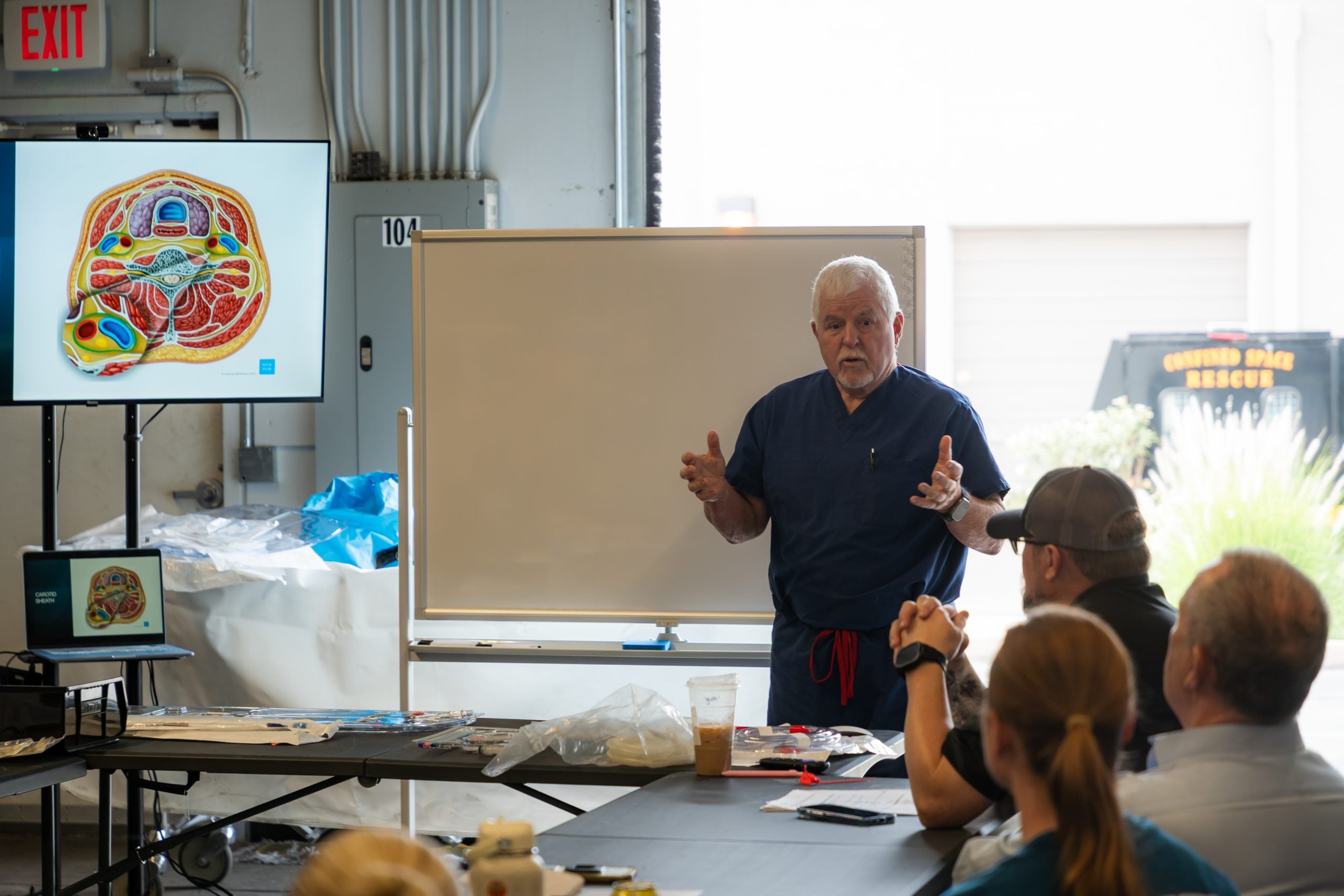
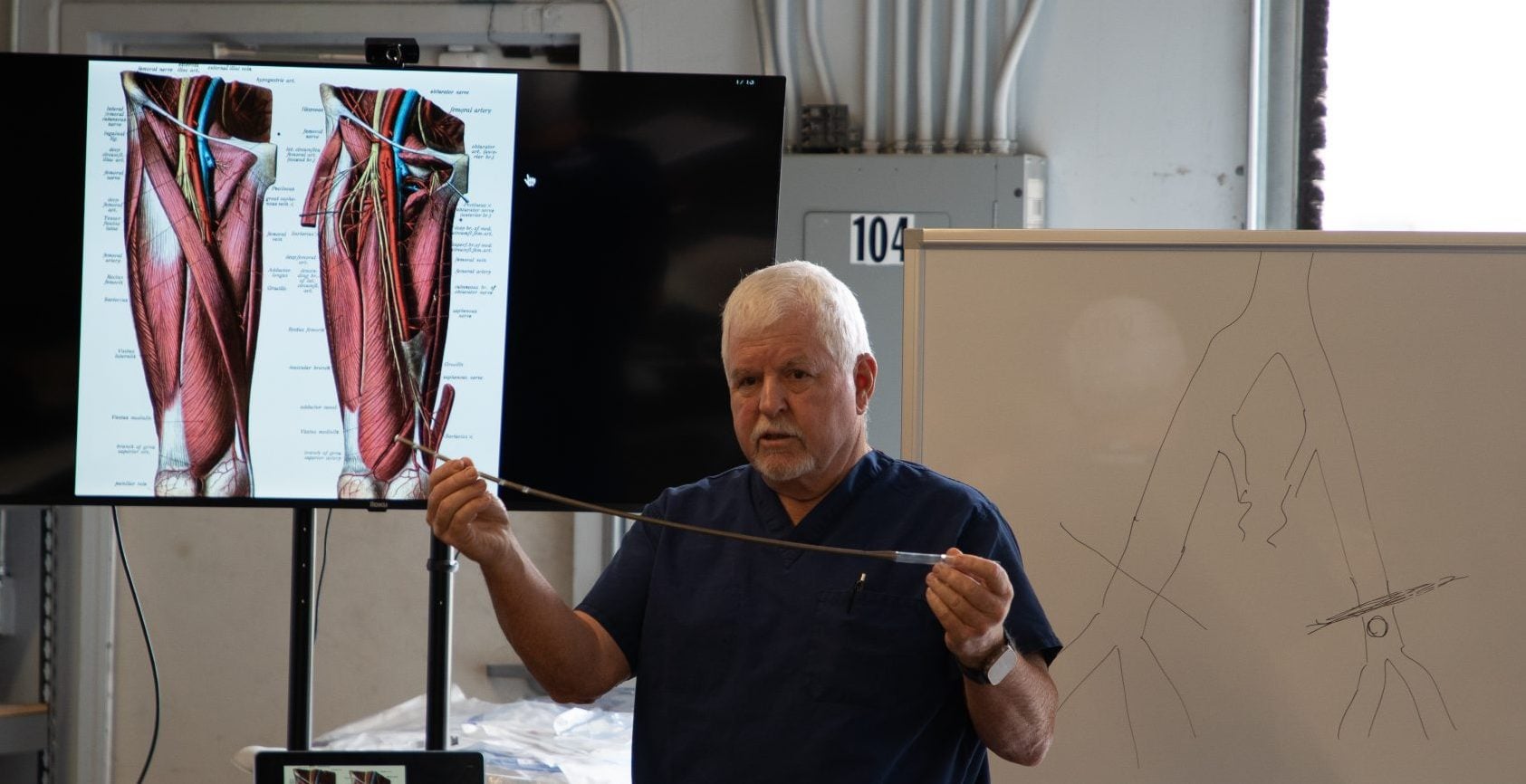
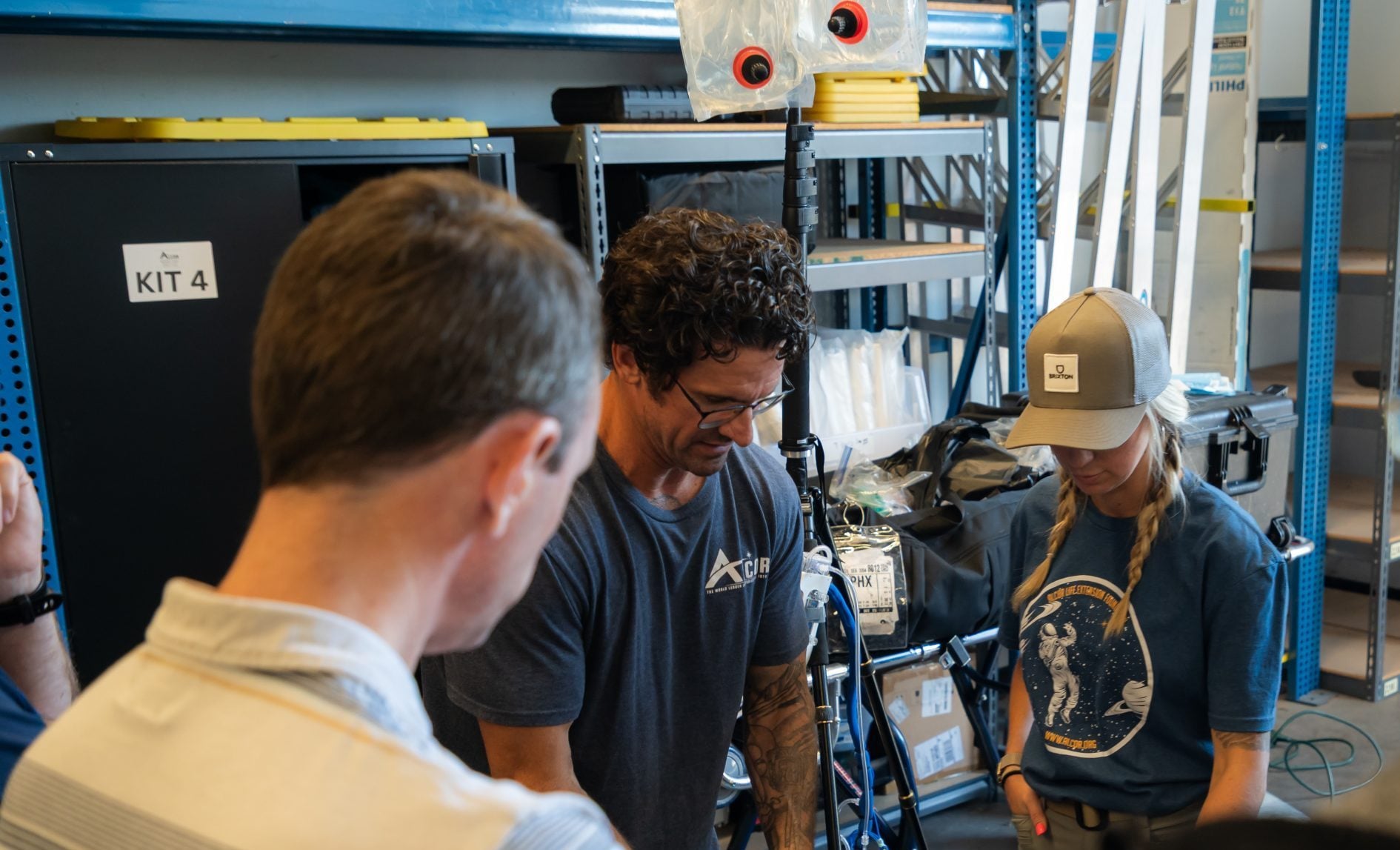
Within the industrial backdrop of the DART bay, a makeshift classroom had taken shape – folding chairs and a big-screen TV on wheels, set up amid the working equipment, where some of the most accomplished people in their fields sat shoulder to shoulder as students again.
The first two days were a flurry of instruction and hands-on work, all focused on the operational side of a case – standby and deployment, communications, stabilization, perfusion systems, and the equipment itself. Shelby Calkins led it, backed by a bench of seasoned DART supervisors who know these cases inside and out.
With that groundwork laid, Dr. Caskey opened the classroom surgical portion, walking the team through surgical access and perfusion concepts before any of it even moved to the operating table.
🫀 Hands On
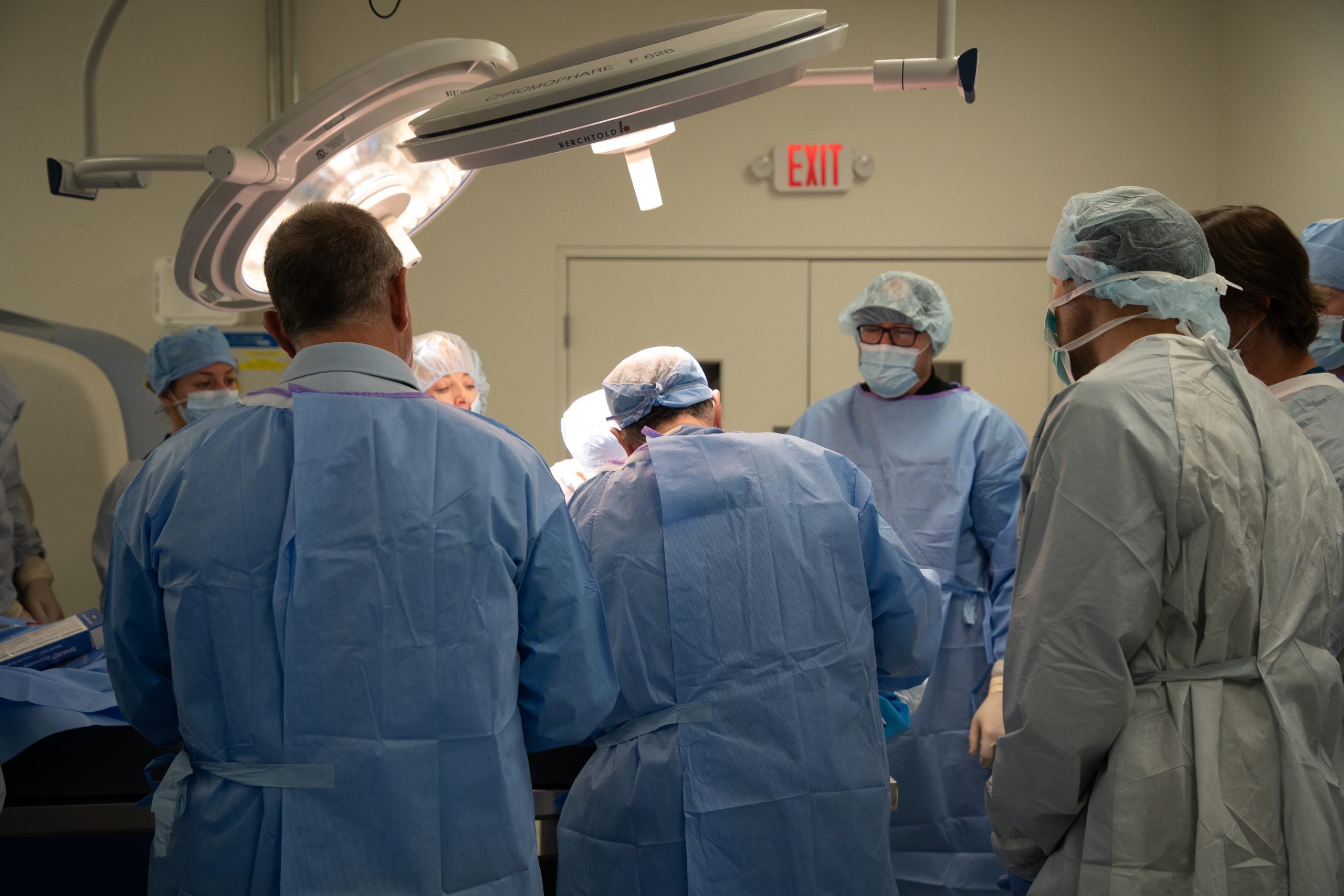
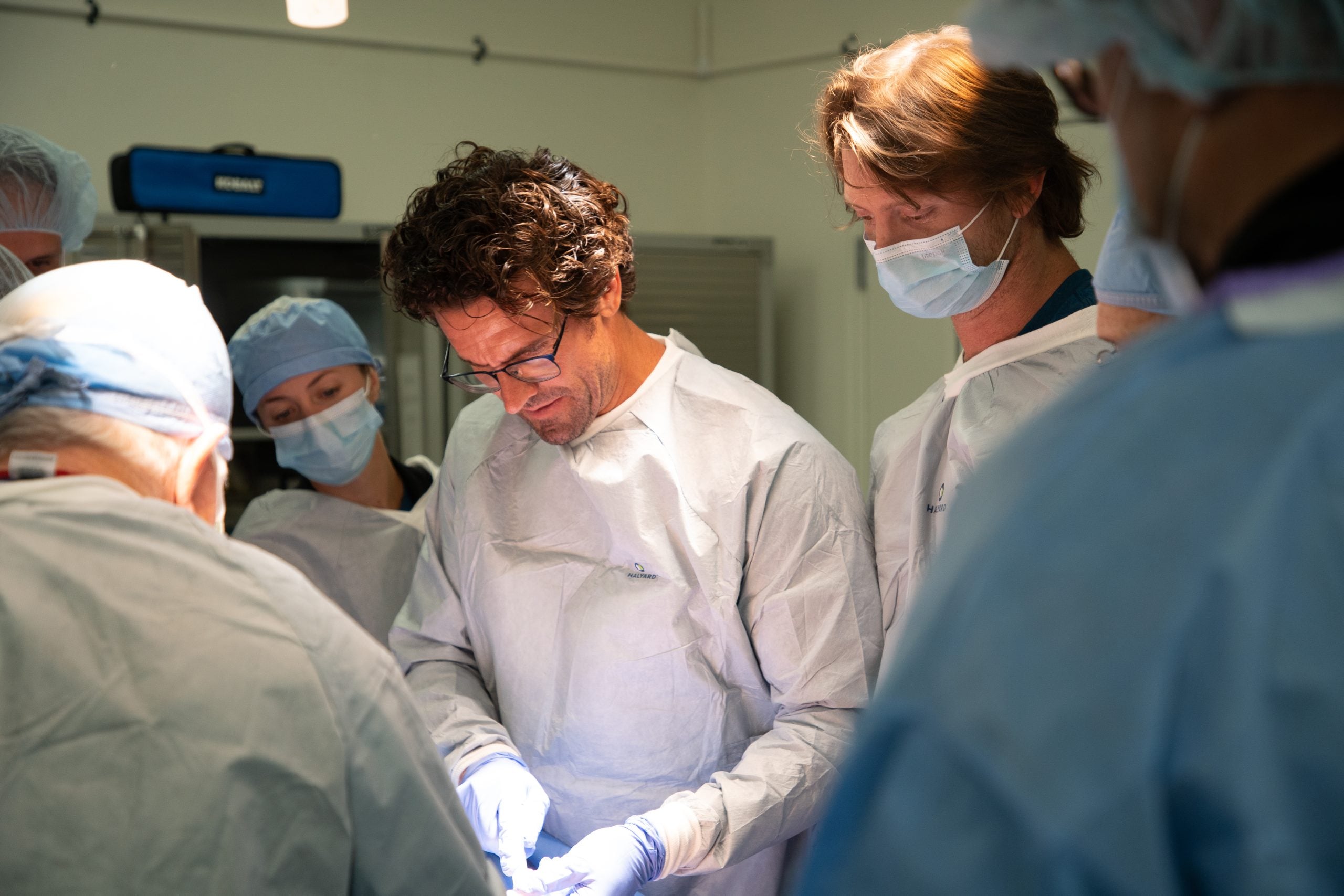
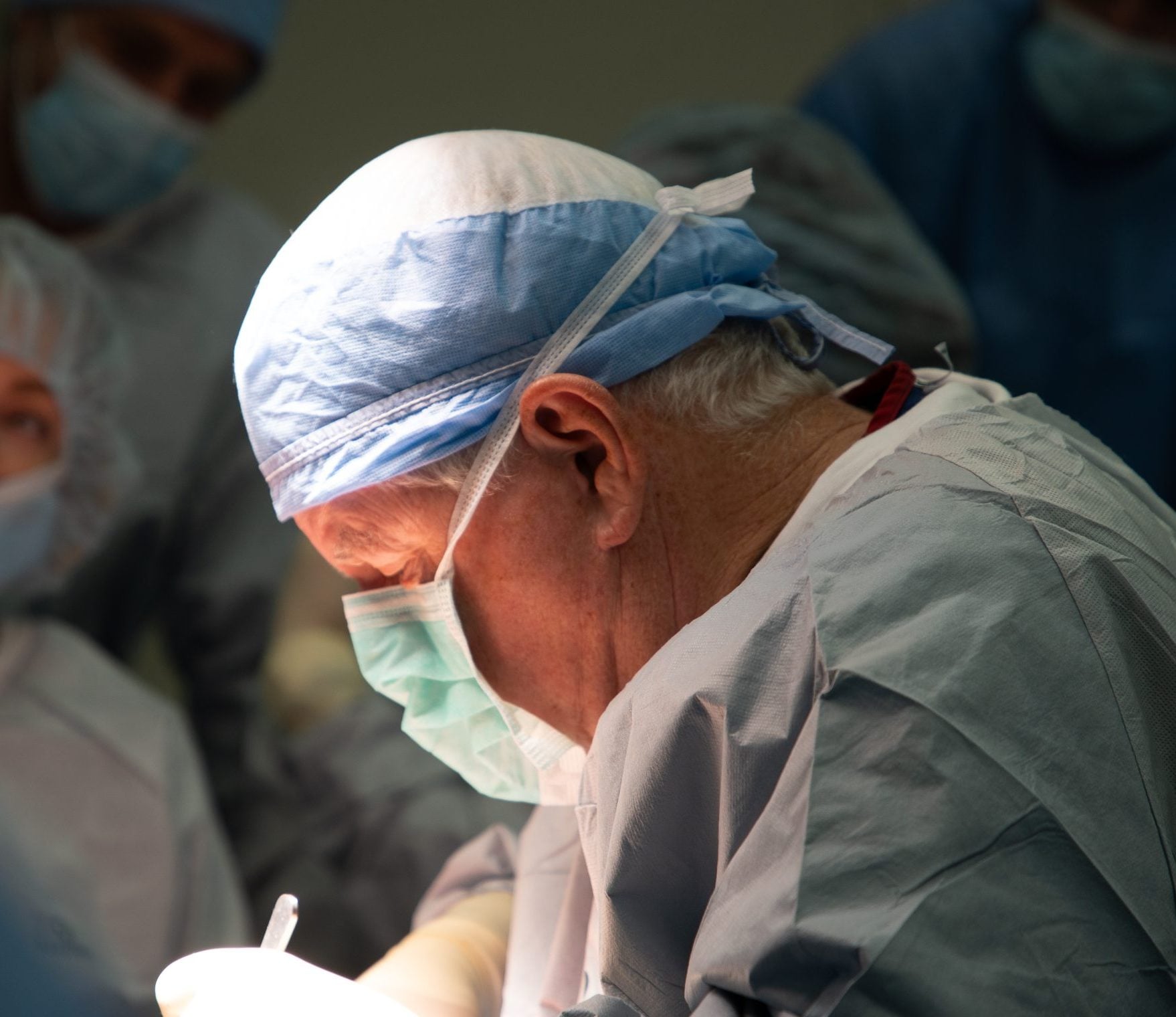
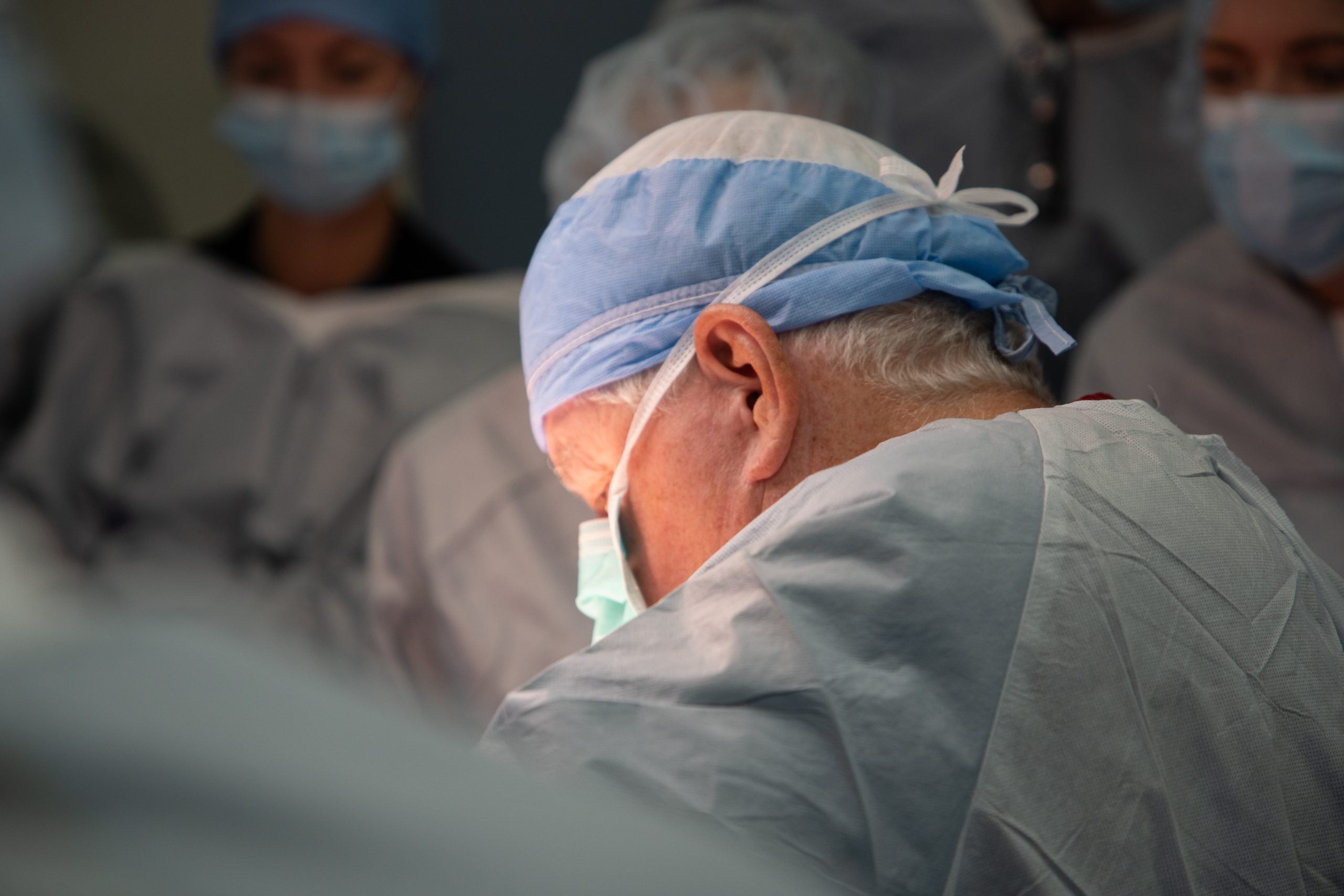
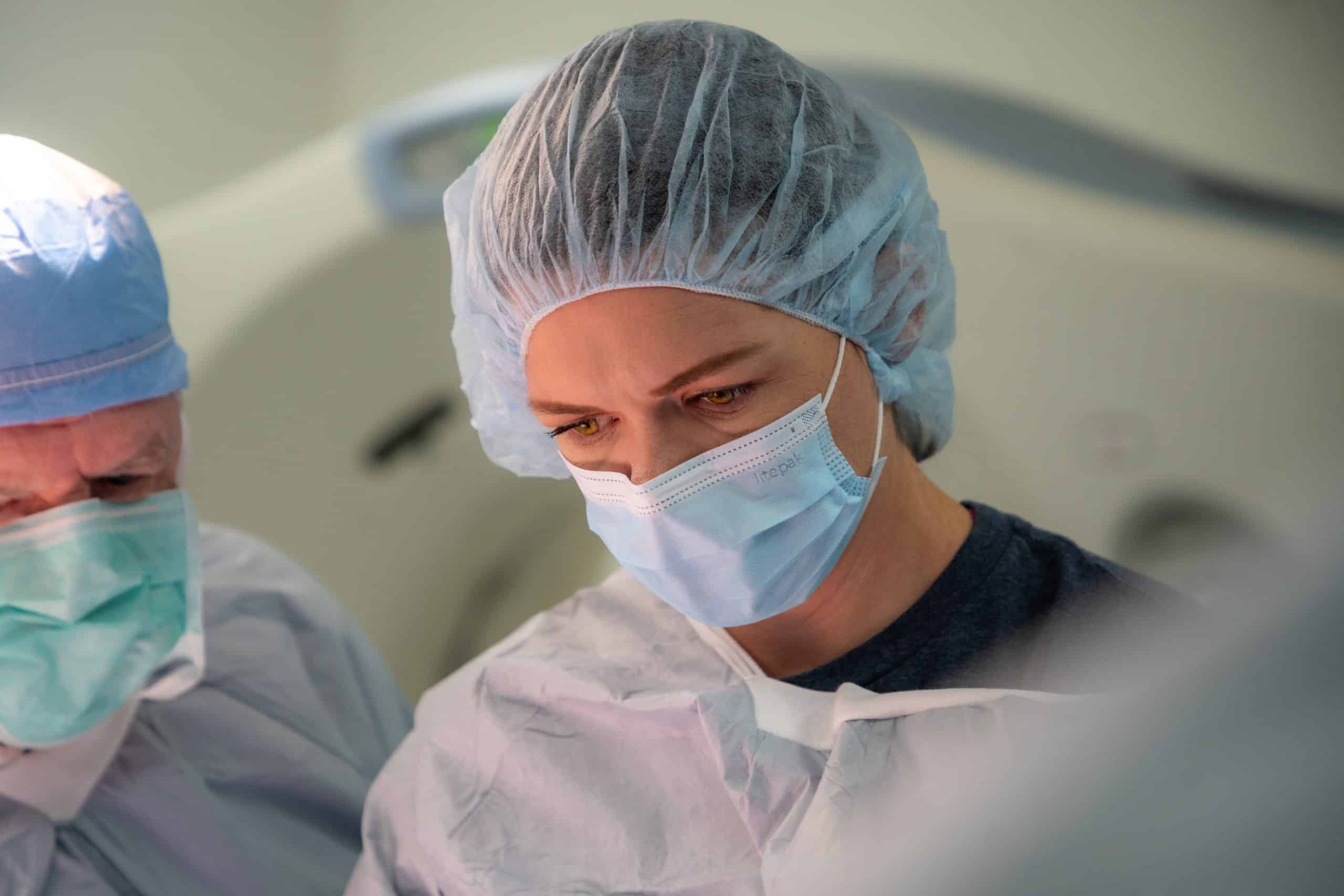
Then the training moved to the deep end – the cadaver work. In Alcor’s operating room, with the facility’s new CT scanner looming large in the background, Dr. Caskey led the hands-on surgical instruction, joined by Alcor’s longtime surgeon, Dr. Wolvos. DART members hovered close around a cadaver, faces lit, and the intensity of their focus on display.
Cadaver work builds anatomical familiarity and the confidence to execute in realistic conditions – the kind of thing lectures and simulations alone can’t replicate, and one of several reasons participants leave meaningfully more capable than they arrived. With the exception of actual cases, there is simply no substitute for it.
Editor’s Note
Daniel Walters
Watching cadaver work takes some getting used to, and as a first-timer to witnessing this kind of training method, I’ll admit I required periodic “recalibrations” throughout. But for the folks actually doing it, it was just another day at the office.
🤝 Learning from the Best
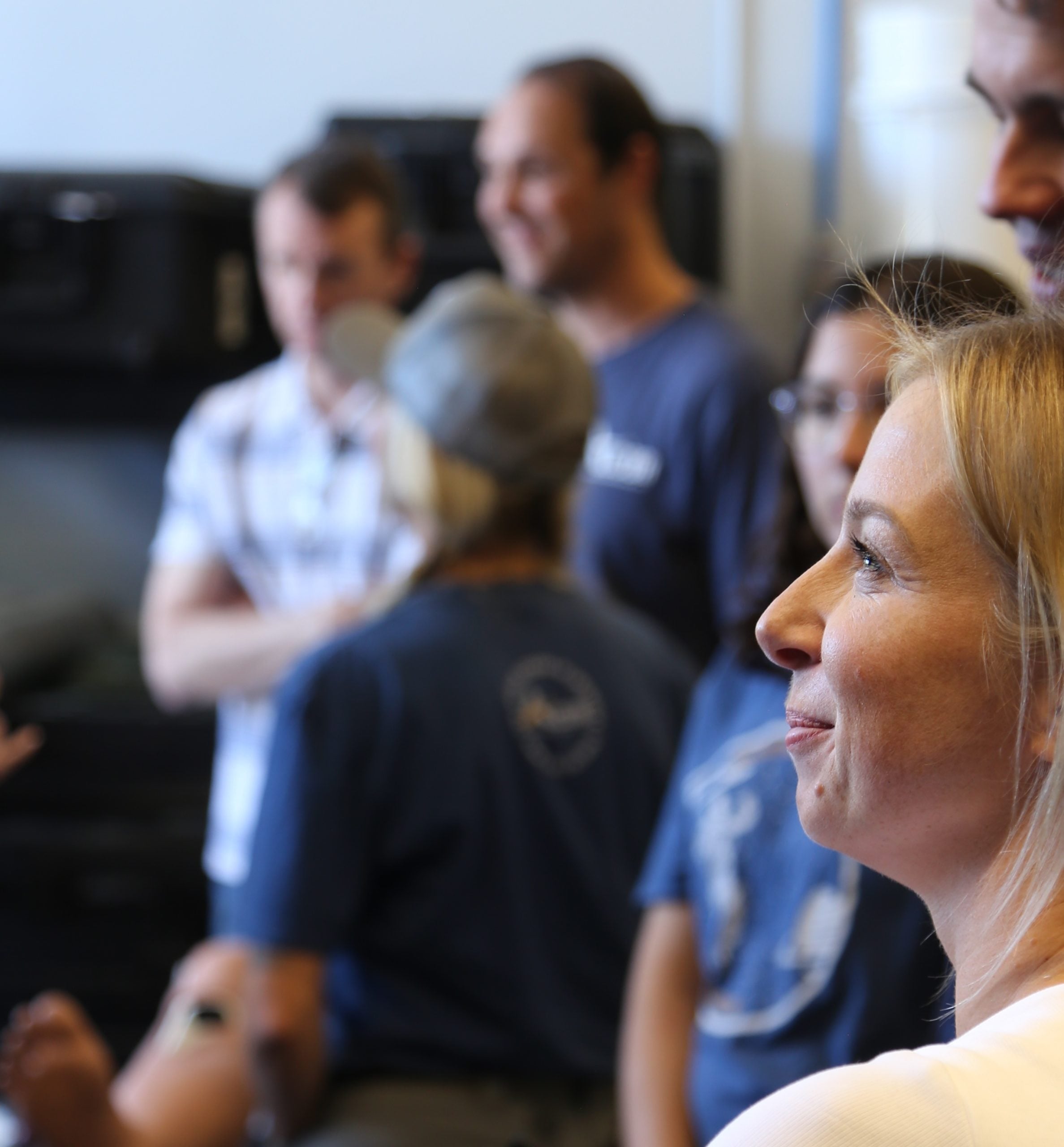
Running underneath all of the scheduled training was mentorship, and it showed up less as a scheduled block than as the texture of the week. Veterans and newcomers intermingled constantly – over equipment, between drills, at the end of long days – and the stories from the field flowed: deployment expectations, hard calls, and the small lessons that only reveal themselves through firsthand experience.
Newer team members got practical reps in under the eye of people who’d done it for real, and the experienced ones did the teaching almost by reflex. As Shelby puts it, every experienced DART member was once a new trainee, which is why knowledge transfer sits so close to the heart of the program. It’s a deliberate part of the design, and it’s what keeps capability from ever resting on any one person.
Editor’s Note
Daniel Walters
When you get this many seasoned professionals together in the same room, you’re in for some incredible “war stories” – some of them fit for polite company, and some of them… not so much.
⚠️ No Plan Survives Contact With Reality
While the training was underway, Alcor was also managing a rare confluence of simultaneous cases – not as an exercise, but as the actual work. Practically speaking, it was three at once. One team was just wrapping up a deployment and was coming directly to the training – no trip home in between, straight from the case to the classroom. A second case was unfolding fresh during the week, requiring the DART team to prepare for deployment and standby. And a third was playing out locally, in real time, at a nearby hospital.
“Everybody has a plan until they get punched in the mouth.”— Mike Tyson
Multiple simultaneous cases stress everything at once: staffing, travel logistics, equipment allocation, communications, and the like. While it’s uncommon for this many cases to land in such a short span – the whole point is to expect the unexpected and prepare accordingly.
But that third case was more than just a little bit unexpected. It was our very own Mike Perry – a fixture at Alcor for over four decades. The same Mike who had been there among everyone just the day before, present as ever. After having been struck by a vehicle near his home, he passed away following a night in the ICU. The shock of it is hard to overstate.
Many of the people in that bay knew Mike personally – a colleague, a friend – and all of a sudden, his case became theirs to carry out. It was the kind of real-world case no curriculum can schedule and no instructor would ever wish for.
But death rarely arrives conveniently, or on anyone’s timetable, and readiness means being prepared for it whenever it comes – including in the middle of the very training meant to prepare for it.
What stood out most was the stoicism of it all – the staff who carried out the hardest parts of their jobs on someone they cared about, and carried it out with the same steadiness, focus, and care they’d give any member – holding themselves together through all of it.
Editor’s Note
Daniel Walters
Performing a neuro-preservation procedure is not for the faint of heart, and doing it for someone you care about asks for something more of everyone involved. To the colleagues who worked on Mike’s case: you are true professionals, and Mike could not have asked for better.
🔀 Adaptation
Understandably, the cases did pull the training schedule into a degree of real-time adaptation. Sessions shifted, timing flexed, and people moved between the training and the cases as the day required. But calling the whole thing off was never really on the table. Assembling this many of Alcor’s advanced recovery personnel in one place – many of them traveling considerable distances – represents a significant and carefully coordinated investment, the kind that isn’t easily rescheduled. The far better course, and the one the team took, was to adapt around the cases and press on.
When the person leading the training was pulled to the live case, the next most experienced member stepped in without hesitation and without needing a word of explanation, and the training carried on. Apparently that’s not luck – as Shelby Calkins describes it, replacements are hand-picked and cross-trained in advance precisely because their role can get pulled away at a moment’s notice. DART is built so that no single person is a point of failure.
The schedule bent, but it didn’t break. And if there is any quiet consolation to be drawn from a hard week, it is that the trainees came away with an understanding no curriculum can teach – a firsthand feel for the gravity of the work ahead.
Editor’s Note
Daniel Walters
Most of what DART does happens out of view – on the hardest days of someone’s life, in rooms most members will hopefully have little occasion to see. This training and the circumstances around it were a rare window into that world, and into the seriousness with which these people carry it. It made me proud to be an Alcor member.
🕯️ Bon Voyage, Mike
On June 6th, the Alcor community gathered in Scottsdale to remember one of its oldest and most beloved colleagues – Mike Perry. Rather than a funeral or a farewell, the day was framed more like the end of a chapter.
As the community’s unofficial historian and archivist – a role he took on well beyond his day-to-day work – much of what the community knows about its own past, it knows because Mike wrote it down.
Speaker after speaker – family, colleagues, and members, along with letters read for those who couldn’t attend – returned to the same portrayal of Mike: brilliant, mild mannered, and ever-present at his desk at Alcor – the place he considered home.
His compassion was another theme that was hard to ignore. Former Alcor president Stephen Bridge remembered him as “the kindest person in the world… who found good in every human being.” He simply wouldn’t harm a living thing – a gentleness that drew the most stories, from rescuing bugs in the Alcor lobby to quietly funding pet cryopreservations out of his own pocket for pet owners who couldn’t afford it.
Co-founder Linda Chamberlain, who watched Mike join 42 years ago as Alcor’s 64th member, offered the farewell that stayed with the room: “Mike, I for one think there is a very real chance that future technologies will restore you to healthy function. You may be absent, but you’ll never be forgotten. Until we meet again – bon voyage.”
Attendees were invited to add to a welcome-back gift for Mike – now filling with letters and videos from the community, to be stored for the day he returns. The ceremony itself closed with a slideshow set to the AI music Mike had composed himself.
For those who couldn’t attend, a recording of the memorial is available to watch here.
Editor’s Note
Daniel Walters
We received a lot of last-minute requests to read your memories of Mike at the memorial, but with a full program and limited time, we weren’t able to get to everyone. If we didn’t reach yours on the day of, it hasn’t been lost – every letter and video sent in is going into Mike’s welcome-back gift, waiting for him in the future.
🎗️ Honoring Mike
The “Perry Member” class
The memorial introduced new plans for an honorary tier of membership. Under the plan, members who reach 37 years with Alcor – matching Mike’s tenure – will be excused from further dues and inducted as “Perry Members”, along with a distinctive jacket inspired by one of Mike’s own – a visible emblem of that standing. Alcor CEO James Arrowood framed the intent as keeping Mike’s name circulating through Alcor’s history: “New members someday, 20 or 30 years in the future, will look at folks in that class… and say, ‘Who’s that Perry guy?'”
The Mike Perry Hardship Fund
Alcor is also renaming its hardship fund in Mike’s honor. Over the years, Mike personally covered the dues of members who had fallen on hard times, and the fund that now carries his name is a quiet assurance that his name, and his spirit of generosity, will endure at Alcor indefinitely.
🌍 DART in Europe
The DART story doesn’t stop in Scottsdale. The same training program that brought all those operators together in April is also reaching across the Atlantic, where Alcor has begun training local European teams. Alcor’s DART team already deploys anywhere in the world, but for the most time-sensitive cases, like an accidental or unexpected death, every hour of transatlantic travel counts. In these cases, local European DART teams would cut the delay that comes with sending help across an ocean.
Trained to standards and objectives identical to the US program, these teams will carry the same DART experience behind every case Alcor runs, wherever in the world they respond. Plans include both neuro and whole-body training. And this is only the beginning: standing up local teams is the first step toward an anticipated physical expansion into Europe, with a plan for a European headquarters and long-term storage already in the works.
👤 Welcoming Dr. Michael Caskey, Medical Director
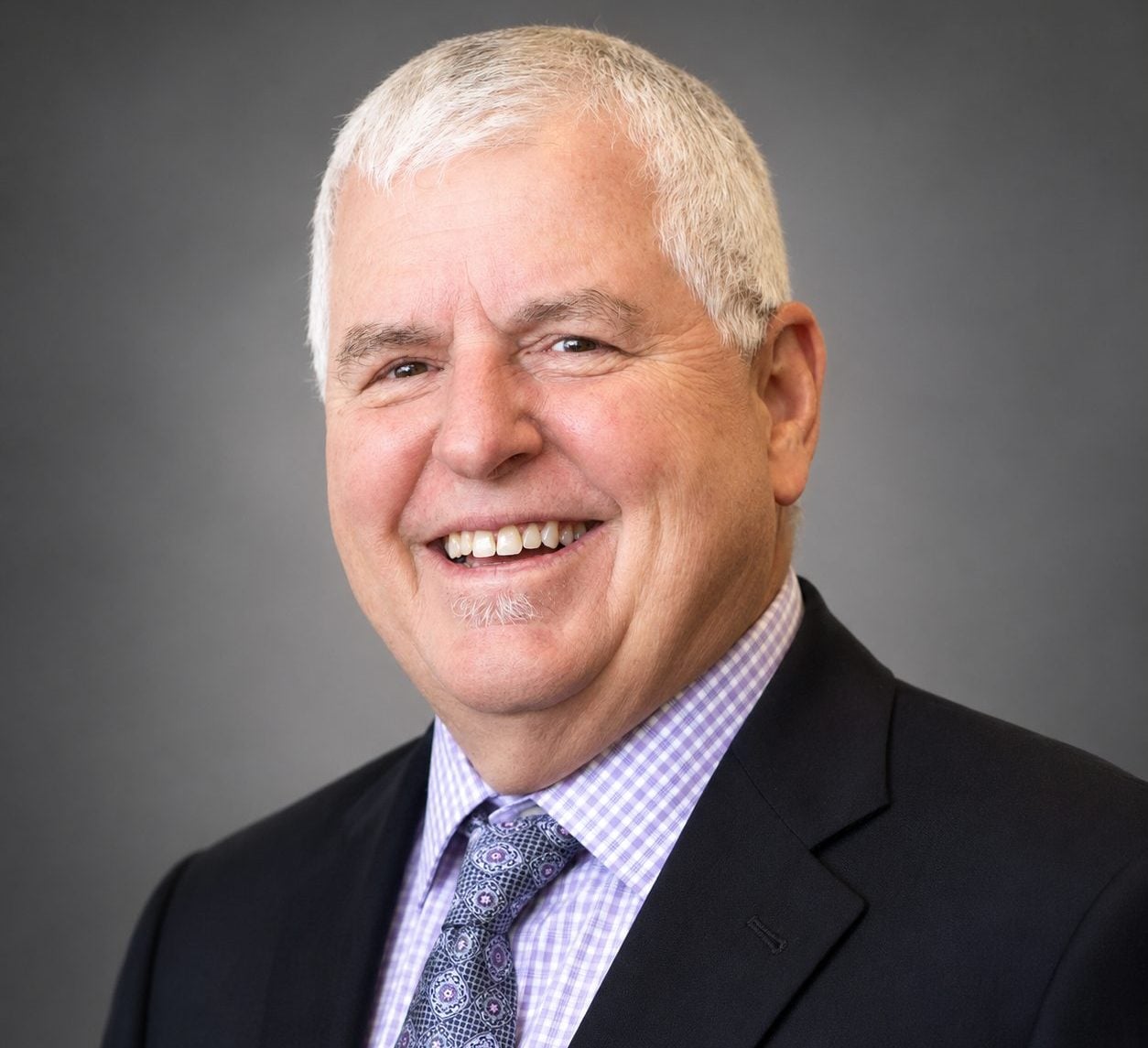
Readers will already have met Dr. Caskey in passing – he was the surgeon leading the instruction through much of the DART training above. It’s a fitting introduction, because his arrival is worth marking on its own: Alcor has added Dr. Michael Caskey, MD, FACS, to its medical leadership team.
Dr. Caskey is a board-certified cardiothoracic surgeon with extensive experience in cardiovascular surgery, extracorporeal circulation systems, and complex surgical procedures. He is a veteran cardiothoracic surgeon residing in Arizona, still seeing patients there today and across the globe, and recognized among the world’s leading heart surgeons. His expertise in vascular surgery, perfusion systems, critical care, cardiothoracic surgery, and procedural medicine maps directly onto many of the core challenges of cryopreservation operations and protocol development, which he now brings to bear as one of Alcor’s Medical Directors.
For members, the practical upshot is that his experience strengthens training, protocol development, and operational readiness across the board – as the DART week made plain.
🗂️ July Board Meeting Recap
Alcor’s July public board meeting covered a lot of ground, so here are a few things worth flagging for members who couldn’t make it.
Alcor Canada: James dialed in from Calgary for his update on international expansion – fitting, since that’s exactly what he was there to discuss. Alcor already has a DART presence in Canada, and James mentioned building out physical presence to match.
Alcor Europe: James also touched on Europe, where the near-term goal is standing up Alcor’s first legal entity as a stepping stone toward a longer-term presence.
Redundancy: Sarah introduced a new Assistant Medical Response Director – an experienced nurse practitioner with more than two decades in trauma care – now working closely with Shelby on managing cases and the watch list day to day.
In a small but important detail for redundancy, James also mentioned that multiple team members now hold DEA licensing for the medications and equipment involved in procedures.
Hiring: Diane mentioned that longtime membership coordinator Cameryn has wrapped up her time at Alcor to pursue an adventure up in Alaska. She’ll be missed around the office, and the search for her replacement is already underway.
Nick mentioned that the lab picked up both a new engineer and an additional PhD scientist. Both are new enough that a proper introduction will have to wait for a future newsletter, once they’ve had some time to settle in.
RAADFest: RAADFest, an annual longevity conference, happens to land in Scottsdale this year, right around the same time as Alcor’s own annual strategic meeting (to be announced soon). With so many cryonics and longevity enthusiasts already in town, Alcor plans to hold some community events alongside it – more details to come as those take shape.
Facilities: Sarah noted that architects have already been brought on to put together a scale model of a proposed renovation and expansion to the current headquarters.
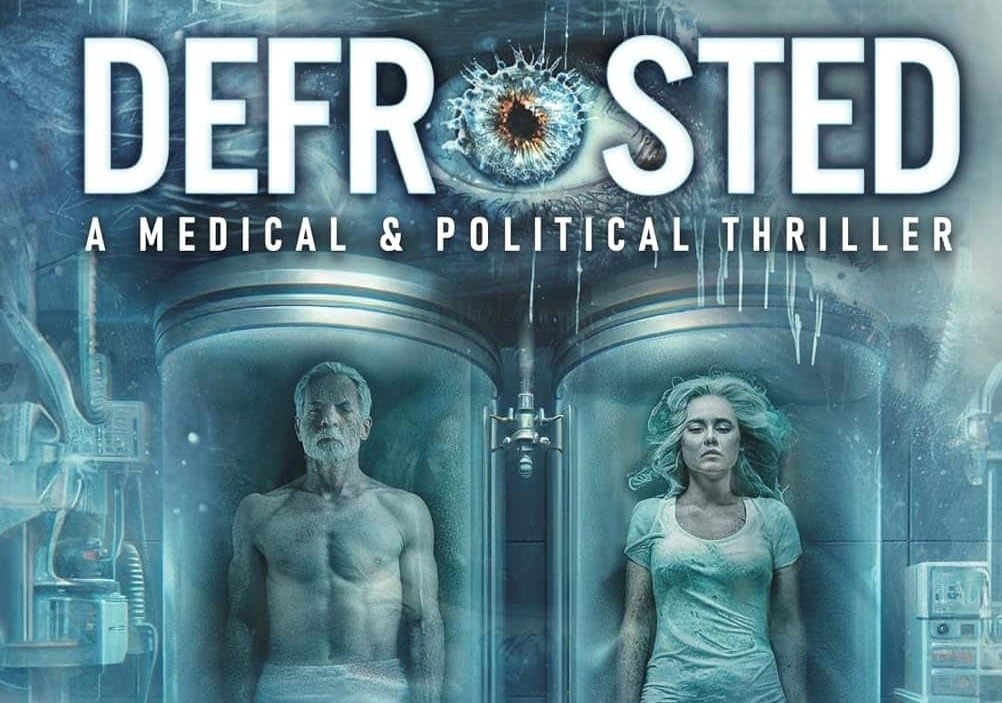
📣 “Defrosted” – a Cardiologist’s Case for Cryonics
We don’t usually cover books in this newsletter, but this one earned an exception – and even if fiction isn’t your thing, keep reading, there’s more here than a novel.
“Defrosted,” by Dr. Cristina LePort. Defrosted is a medical-political thriller about a man cryopreserved for 200 years who wakes up in a future where survival has to be earned. Alcor cofounder Linda Chamberlain had a chance to read an early copy, and didn’t hold back:
“This is a book that cannot be put down until finished. It is a high-concept techno-thriller filled with never-ending twists and turns combined with a compelling whiplash of philosophy. The author transports you to a future where nature has gone horribly wrong, and she skillfully weaves a complicated web of characters, politics, and philosophy that are relevant and on-point for our world today. I was hauntingly affected by the ending.”
“It was like a collaboration between Ayn Rand and Michael Crichton!”– Linda Chamberlain, Co-Founder and Director of Special Projects, Alcor Life Extension Foundation
If that sounds like your kind of book, it’s available on Amazon, and if you enjoy it a review on Amazon goes a long way.
But even if science fiction isn’t really your thing, LePort stands out herself, because she is not your average science fiction author. She’s a practicing cardiologist who signed up to be cryopreserved herself!
Her decision to be cryopreserved also led her to write this recent groundbreaking article in AARP about cryonics.
“I’m a Cardiologist, and I Plan to Be Cryogenically Frozen.” LePort’s essay, published in AARP on June 19th, lays out her reasoning for signing up for cryopreservation. LePort takes the science seriously and doesn’t oversell it – she’s careful to note that vitrification isn’t “freezing,” that it already has real precedent in preserving embryos and organs, and that no one has ever revived a fully developed human being. But rather than treating that uncertainty as a reason to dismiss cryonics, she treats it the way she’d treat any medical decision made under imperfect information: doing nothing guarantees one outcome, and cryonics offers a second possibility, however small. In her own words:
“I don’t see cryonics as a guarantee, or even as likely. I see it as an option that aligns with how I’ve spent my life thinking as a physician: Weigh the risks, understand the limits and make the best decision you can with the information available. When my time comes, I will take that chance. Not because I’m convinced it will work. But because I’m not entirely convinced it won’t.”
What comes through most is that this isn’t fear talking – it’s curiosity, and a reluctance to close the door on a possibility if she doesn’t have to. She engages honestly with the hard questions without pretending to have tidy answers. (Link in the news roundup below.)
Editor’s Note
Daniel Walters
It’s a rare thing to see cryonics described that plainly, and that respectfully, in a publication that reaches millions of readers well outside cryonics’ typical audience. To me, that signals something real about growing social acceptance of cryonics as a legitimate avenue of scientific exploration.
📸 Epic Nor-Cal Member Meetup
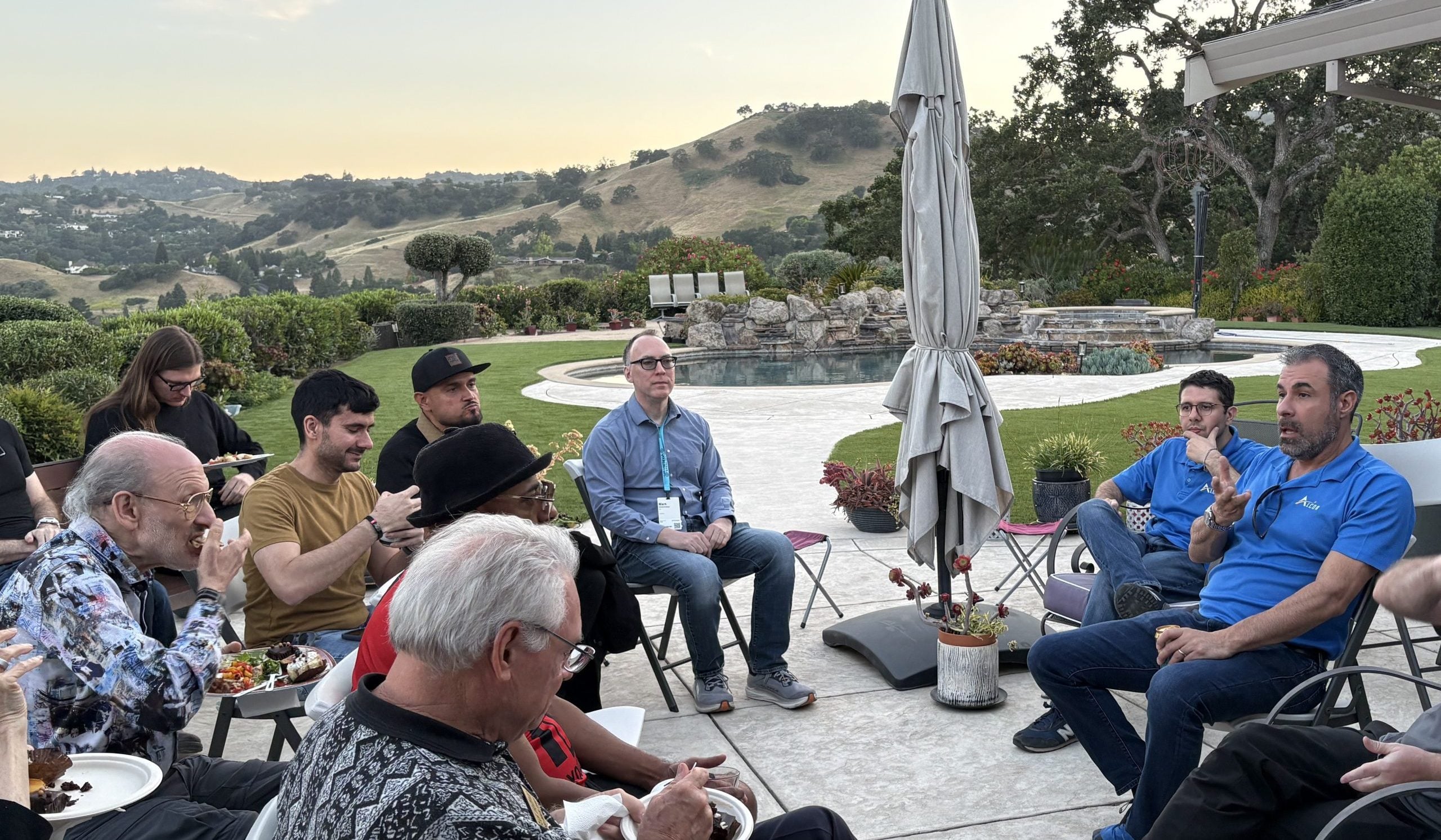
On May 15th, Alcor spent an evening with Northern California members – dinner, easy conversation, and a view from the hills that made it hard to want to leave.
Dinner gave way to what can only be described as an epic living room roundtable – spirited conversation that kept everyone there until almost midnight. James spent a good chunk of that time fielding hard-hitting questions from some of our most delightfully persistent members (being grilled is another way to put it, depending on your perspective). But being a trial lawyer by trade, he seemed perfectly at home in the hot seat, and all told, it was a highly productive evening for members and staff alike, and a bonding experience worthy of the trip.
There aren’t many cryonicists in the world, and no amount of video calls or virtual town halls quite scratches that itch. Getting to spend a relaxed evening, in person, with a room full of people who think about the future the same way you do, is worth savoring.
Thank you to our host, and to everyone who came out.
Editor’s Note
Daniel Walters
A small confession: for this meetup’s refreshments, I brought a few cases of the aptly named “Liquid Death” brand of mountain spring water – a subtle attempt at cryonics humor. I waited with giddy anticipation for someone to point out the clever irony of my beverage choice, but in a devastating blow to my comedic ego, nobody even noticed… pfft.
👋 And as always, for those who made it all the way through – take my virtual high five, and my bonus content below. Till next time.
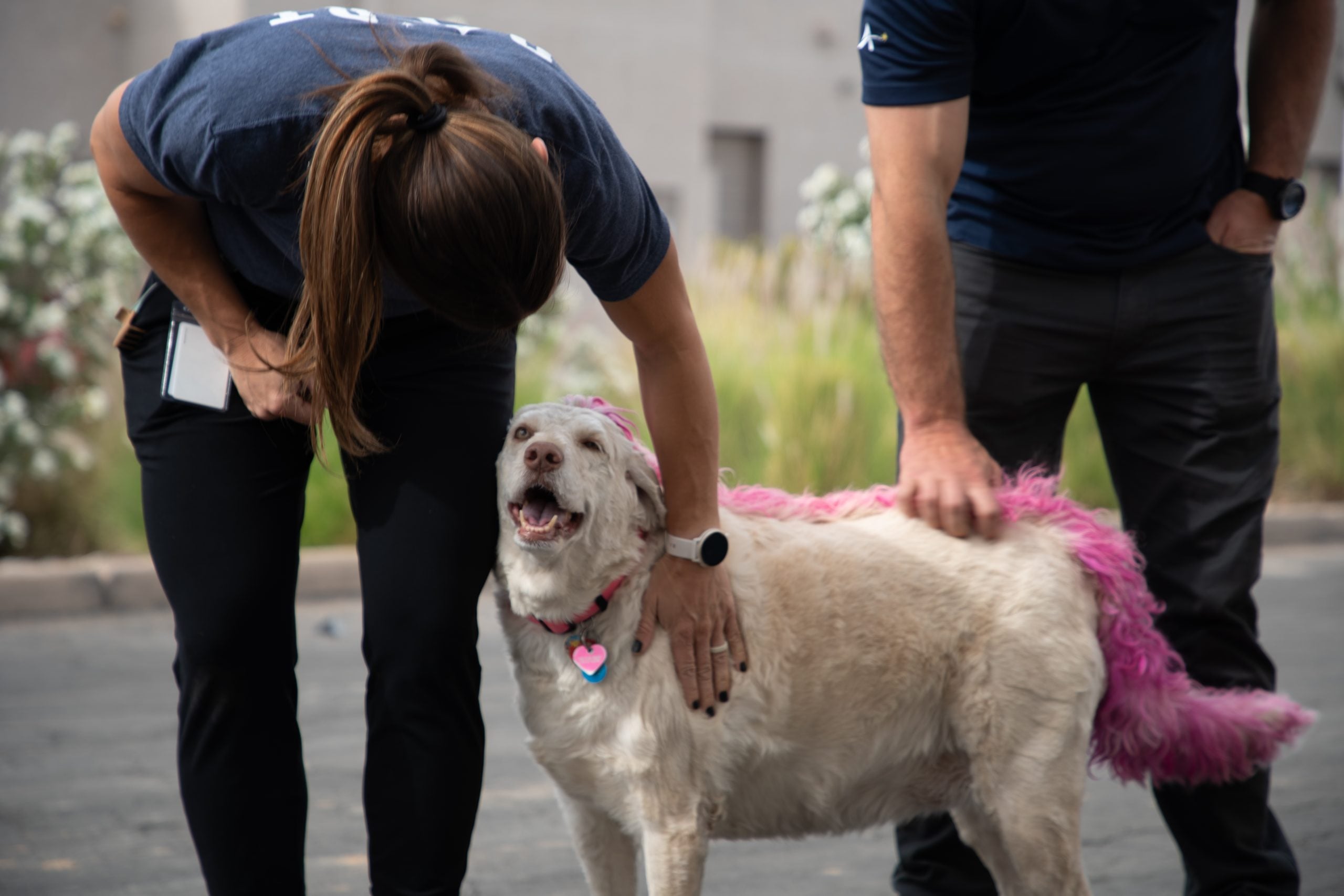
Our unofficial mascot sat in on the DART training hoping to make the team. She flunked the exam, but negotiated a generous severance package of scritches and belly rubs.