

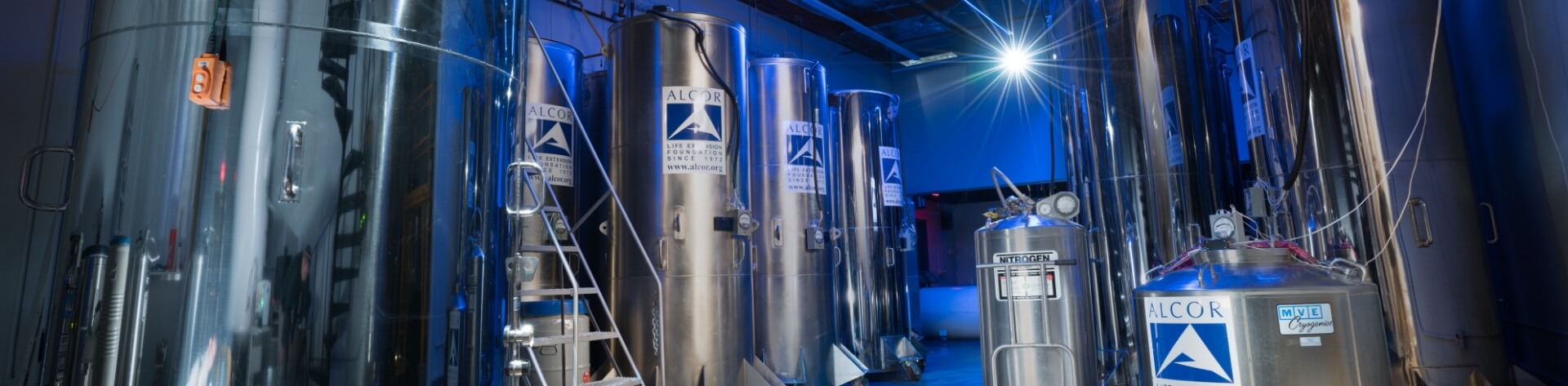
We held our alpha test of the new ATP and the whole-body vitrification system this month using a swine as test subject.
Given that this was our first large animal operation in many years, we had something of a learning curve with regard to animal handling and the specific surgical procedures necessary for performing bypass. We chose to cannulate the carotid artery and internal jugular vein for the procedure. I performed the cannulation and Regina Pancake assisted, and the surgery went quite smoothly. We had the animal on bypass in 45 minutes, which our observing veterinarian considered quite successful. We began our equipment testing with the new transport perfusion system.
We needed a mere five minutes to prepare and prime the system prior to cannulation, but this figure was artificially high because the two people preparing the system had to refresh their memories about how to hang the perfusate bag. A time of less than two minutes to prepare the system is the benchmark for our next test. All of the new elements worked well, and we had no problems at all with the new ATP. We did not test it fully on a closed circuit, only for open flush of the swine, in order to start testing the whole body system.
Our whole body system consists of two parts that we tested: the patient enclosure and the computer-controlled perfusion. The patient enclosure involves an operating stage that cools the patient using liquid nitrogen injected into a plenum underneath the patient, fans to circulate nitrogen around the patient, a transparent – but internally lighted – cover for the patient, and enough seals to keep the nitrogen – both vapor and liquid – precisely where they should be.
The cooling stage cooled quite rapidly to the set temperature. We added controllers for that only recently, because we were still modifying the enclosure based on previous test results. The temperature controllers need to be adjusted slightly by modifying how the cooling curve is handled, but it took less than ten minutes to cool the stage to three degrees C. We were quite pleased with the even nature of the temperature, and Randal Fry is to be commended for his efforts to adjust the nitrogen spray to accomplish this result. The table itself is also at a more comfortable height for performing surgeries.
The perfusion system itself was the biggest unknown. Of course, the programmer knew precisely how the system would respond to our tests; because it was doing everything he told it to do. The calibrations of the system went well, as did the system initialization. Our cryoprotectant ramp control handled itself very well. Pressure control did not go well, and this was because we had been using the pressure control in a way that worked with an unloaded system (there was no body in the loop). This made a big difference, and we will be adjusting that portion of the program accordingly.
Our alarm functionality worked quite well. A clamp on a line that causes the pressure to spike resulted in immediate shut off the main pump. Level indicators worked well, and all the pumps in the system responded appropriately. Both manual and automatic control of all parameters functioned as intended. We have some minor tweaks to make to the user interface, but those are primarily cosmetic.
Elements that were not quite ready for the test included the full reporting functionality, though the pure data collection elements are all working well; the bubble alarms are not installed; and neither is the emergency stop button we intend to place on the patient enclosure (in case the surgeon sees something requiring immediate cessation of perfusion). We will be performing additional tests on the system’s memory requirements, to ensure that we will not have any problems during a long case. Once we tested the perfusion system to that extent, we tested the final element of the patient enclosure: the ability of the system to perform first-stage cooling.
This is the step where we plunge the patient’s temperature to just above the glass transition point for M22, -110 degrees C. The table itself cooled to -110 in eleven minutes, though of course, it took longer for the swine to reach that stage. Using an animal that was not vitrified caused the temperature to be reduced more slowly because of the heat requirements for the ice formation, but the swine passed the freezing point in 3.5 hours. We considered this acceptable under the test conditions. The swine’s temperature continued to drop until it reached -95 degrees C, at which point we discontinued the test. That drop took approximately 18 hours. This time is good, given that not all elements of the system worked exactly as intended, and we expect faster times as adjustments are made. We did find it took a considerable amount of nitrogen to reach that stage, but part of this is because our environmental fans failed. We will be looking into different fans for the next test and other improvements to reduce nitrogen consumption.
Overall, everyone was quite pleased with the results, and we expect to make the necessary modifications quickly and are planning our second test for later this week.
This work was done under the supervision of the Alcor Institutional Animal Care and Use Committee under Alcor’s USDA registration as an animal research facility, and was fully compliant with the requirements and standards of the Animal Welfare Act. The animals used in these tests were procured from a USDA-registered laboratory animal breeder.
I would like to thank the team who participated in this equipment test, including: Dr. Craig Woods, Joel Anderson, Stephen Van Sickle, Hugh Hixon, Randal Fry and Regina Pancake. We would also like to thank all of the donors who made pursuing this project possible.